


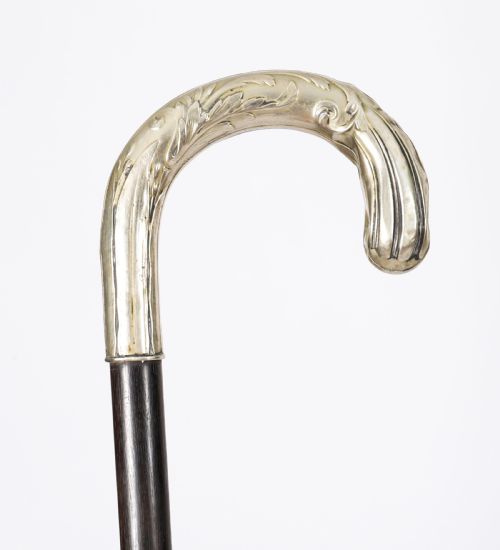


Crook Handled Cane
A crook handled cane offers both steady support and concealed steel, combining practical utility with discrete personal defence.
Crook Handled Cane
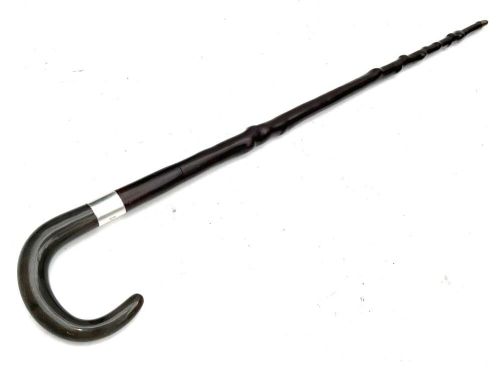
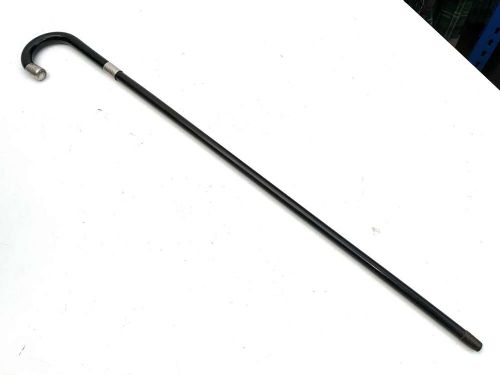
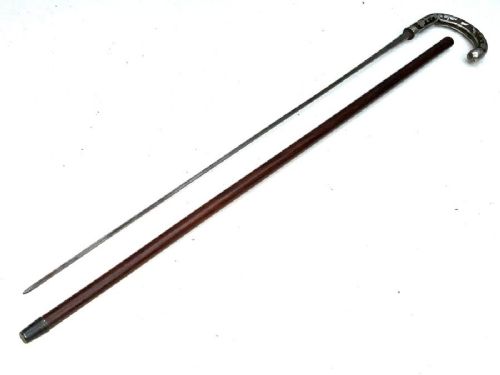
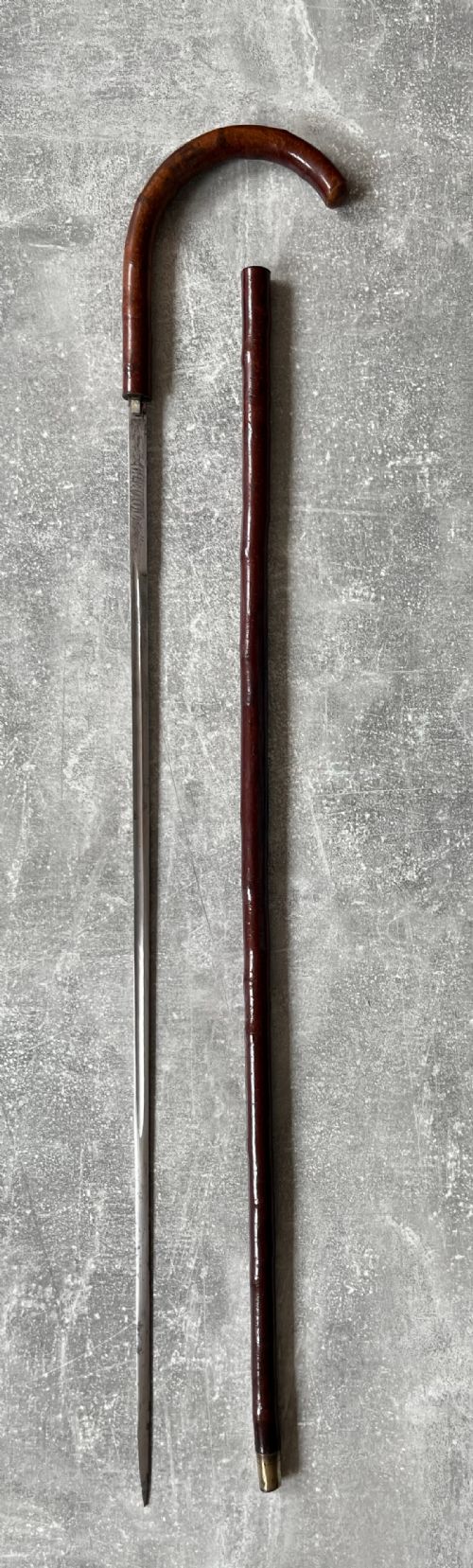
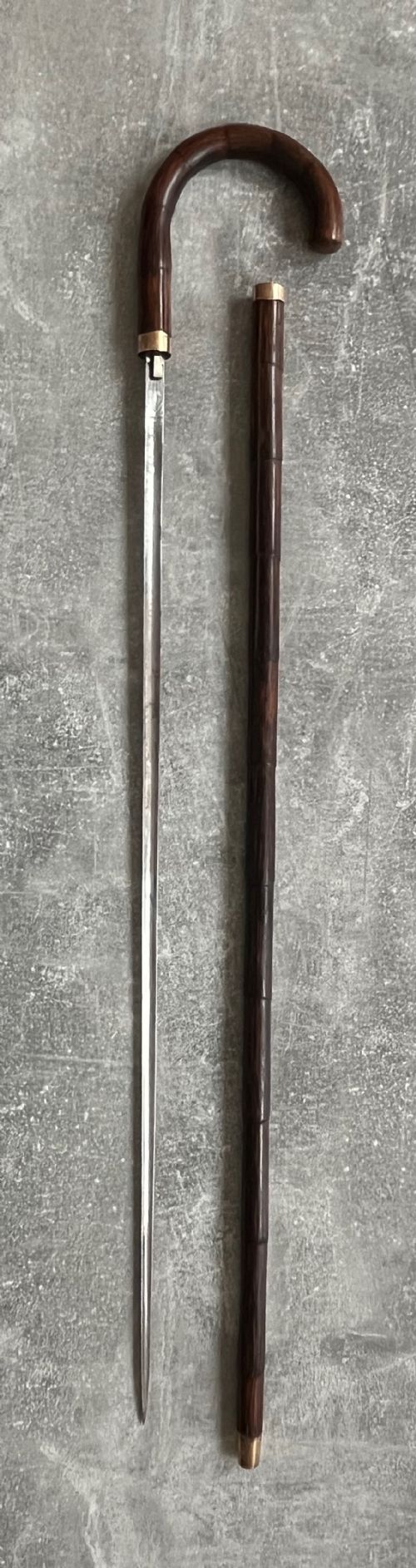
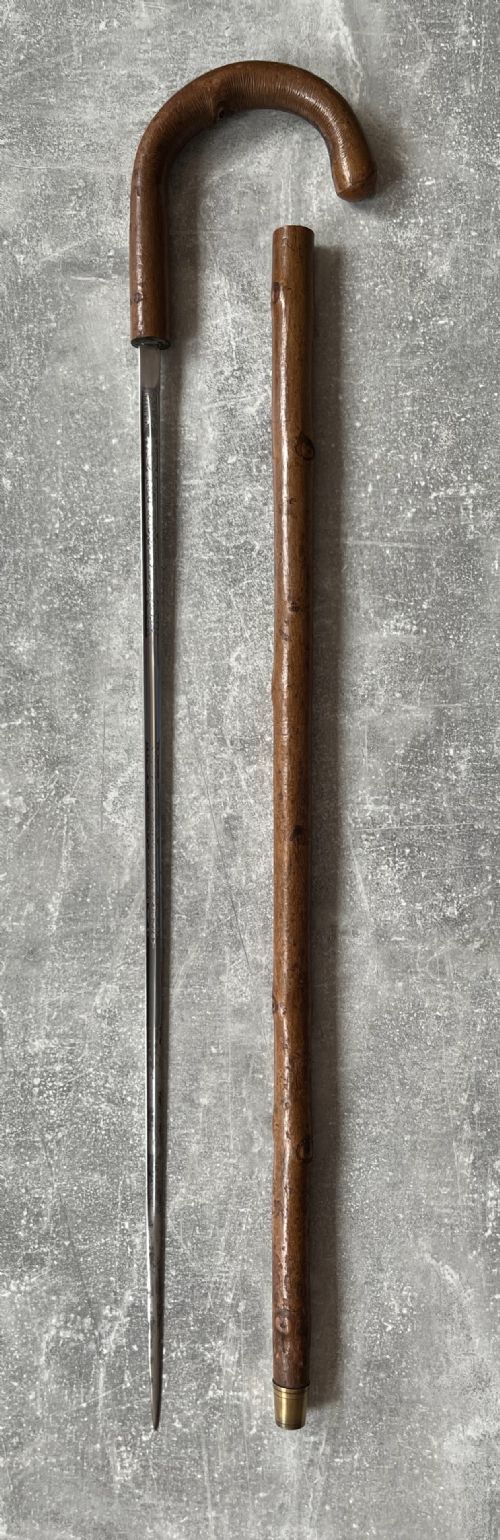
A crook handled cane is a traditional walking aid featuring a curved top designed for comfortable grip and hanging over the arm. These pieces span the Victorian, Edwardian and early twentieth century periods, reflecting the attire of gentlemen and officers of the era.
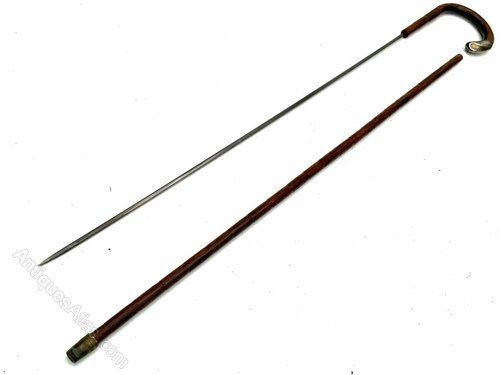
Many examples double as sword sticks, housing concealed Toledo or Wilkinson blades beneath timber shafts. Materials range from partridge wood and hazel to malacca and ebonised oak, often fitted with silver mounts, collars or horn handles.
How they were made
Craftsmen shaped natural timbers such as malacca, hazel, cherrywood and partridge wood, sometimes steaming the wood to create the signature curved crook handle. Metal components like steel blades, brass collars and silver mounts were integrated securely into the shafts.
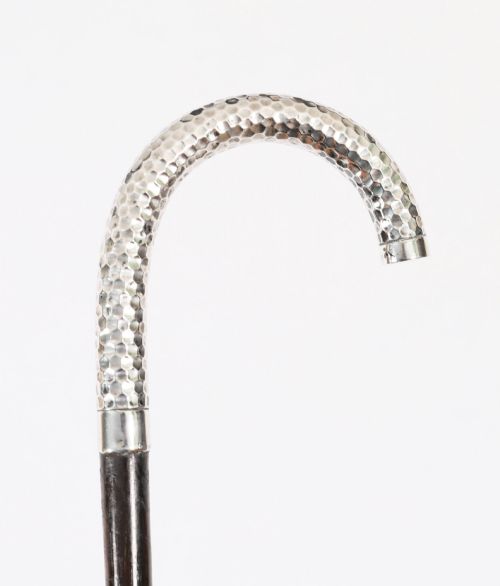
Handles utilised carved stag horn, embossed silver and silver plate, fastened to the main body with hidden internal mechanisms or pins.
Crook Handled Cane Retail Price Guide 2026
Typical asking prices for crook handled cane among the pieces listed under this phrase on Sellingantiques today, from the lower quarter to the upper quarter. They describe what is for sale here now, not the wider market.
Listings feature woods such as malacca, hazel, cherrywood, partridge wood and ebonised oak alongside steel blades and silver mounts.
What varies in quality
The distinction in quality rests upon the choice of materials and the provenance of the blade. Pieces housing named maker blades like Wilkinson or Toledo exhibit superior forging compared to standard utility items.
Finer examples display solid silver mounts, detailed horn carving and dense hardwoods like partridge wood, whereas simpler versions rely on plated collars and common timber.
BRIGG·Wilkinson
The Crook Handled Cane Glossary
- Crook handle
- A curved top shaped like a shepherd's crook. This design allows the stick to be hooked over the arm or a railing.
- Sword stick
- A walking cane containing a concealed blade. These pieces were carried for personal protection during the nineteenth and early twentieth centuries.
- Silver mount
- Decorative or structural silver fitted to the handle or collar. It frequently bears hallmarks indicating the assay office and date.
- Partridge wood
- A dense tropical timber named for its mottled feather-like grain. It provides exceptional strength and weight for walking sticks.
- Toledo blade
- A steel blade forged in Toledo, Spain, renowned for flexibility and strength. These blades were often fitted into European walking sticks.
Crook Handled Cane: Frequently Asked Questions
How do I reveal the hidden blade?
Most sword sticks utilise a screw mechanism, a push-button release or a simple friction fit between the handle and the shaft.
Twisting or pulling the handle straight out separates the shaft from the internal scabbard housing the steel blade.
Were these canes used for actual defense?
Gentlemen, officers and travellers carried sword sticks during the Victorian and Edwardian eras for personal protection against highwaymen and urban hazards.
The concealed blade provided a discreet means of self-defence when walking through poorly lit streets.
How should I clean a silver mounted handle?
Silver mounts and collars require gentle wiping with a specialised microfibre cloth to remove tarnish without disturbing the surrounding wood.
Avoid getting chemical polish on the timber or horn portions of the handle.
How do I date a cane from this period?
Dating relies on examining the style of the silver hallmarks, the fashion of the mounting and the type of wood utilised.
Victorian and Edwardian pieces often display specific maker marks and assay letters that pinpoint the exact year of manufacture.