


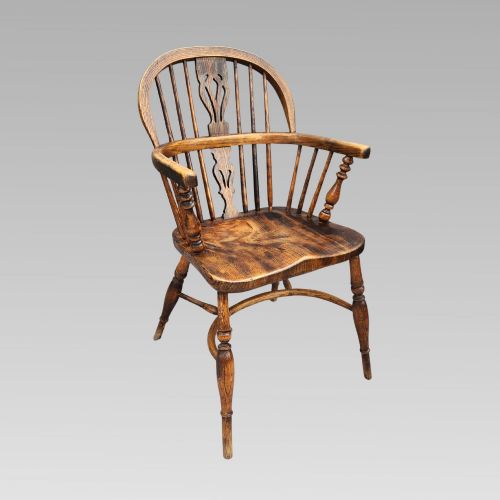
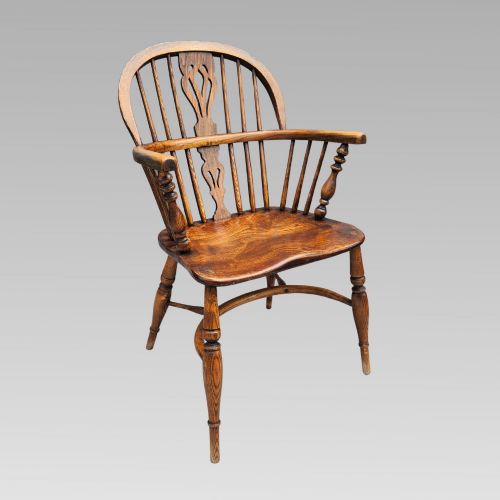

Crinoline Armchair
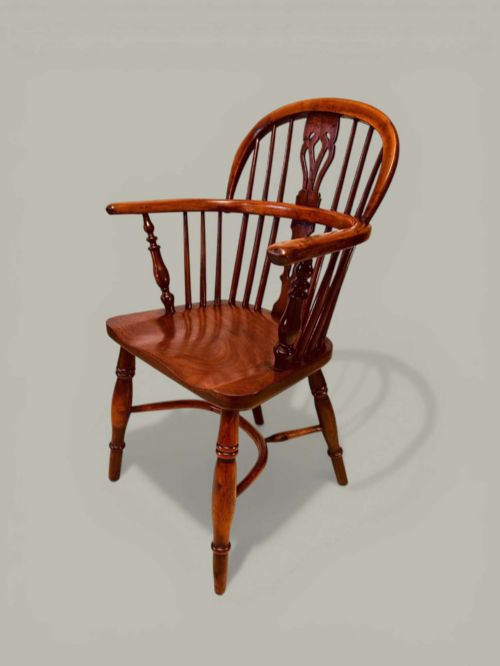
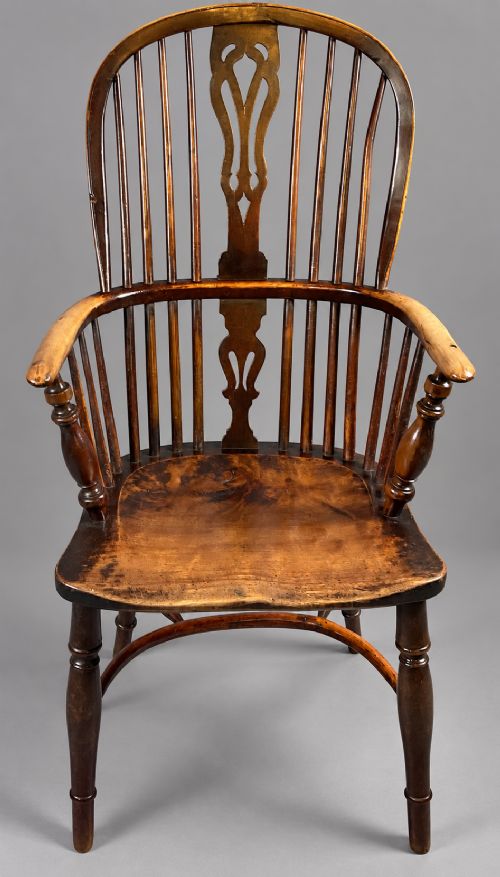
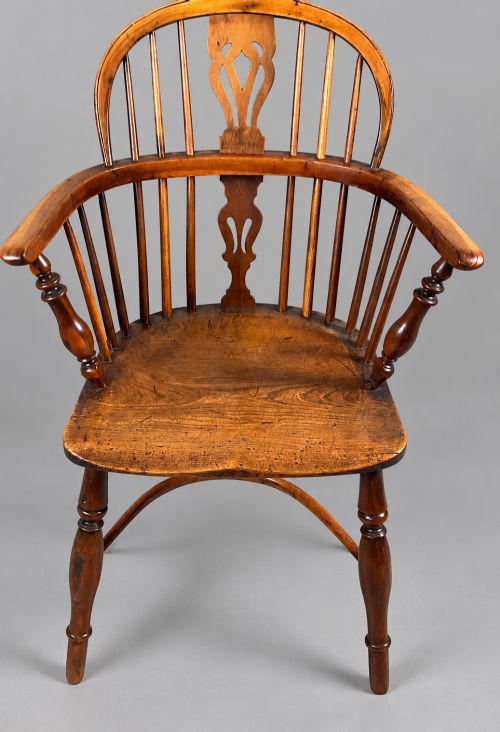
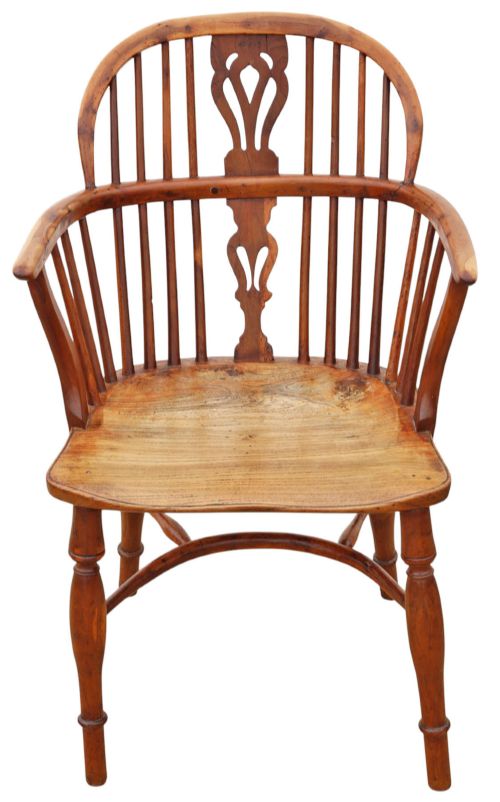
A crinoline armchair brings a sculptural timber silhouette and generous seating to a room, rooted in centuries of vernacular tradition.
Crinoline Armchair
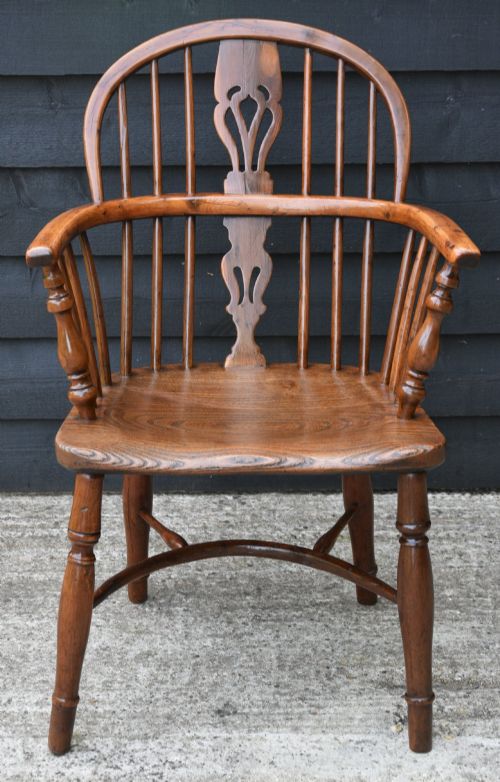
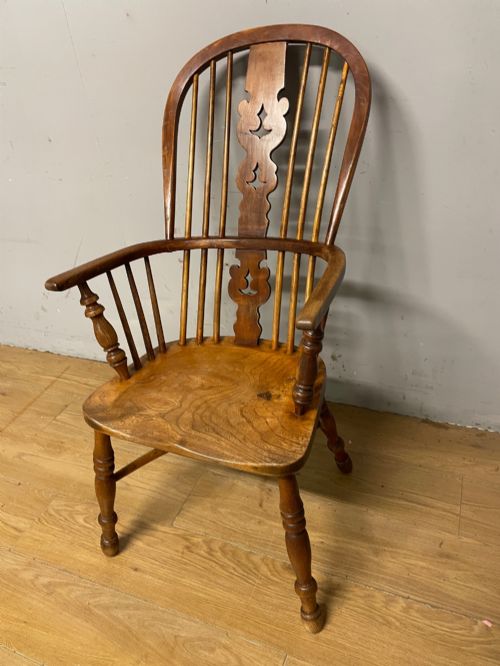
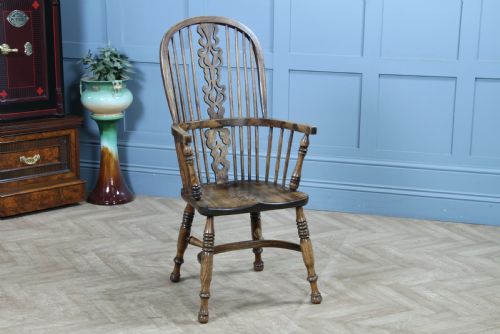
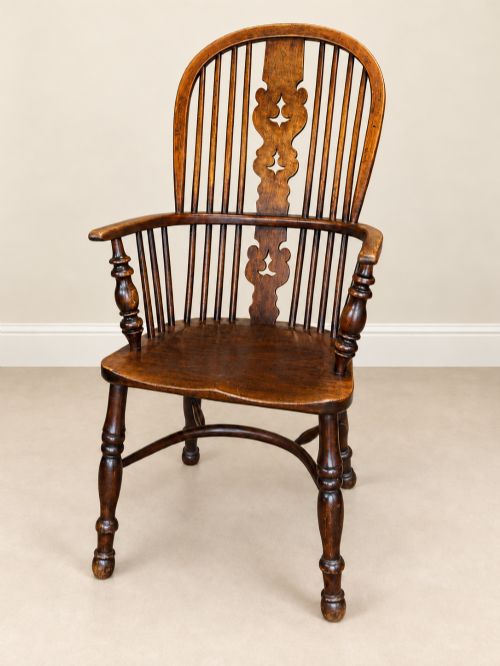
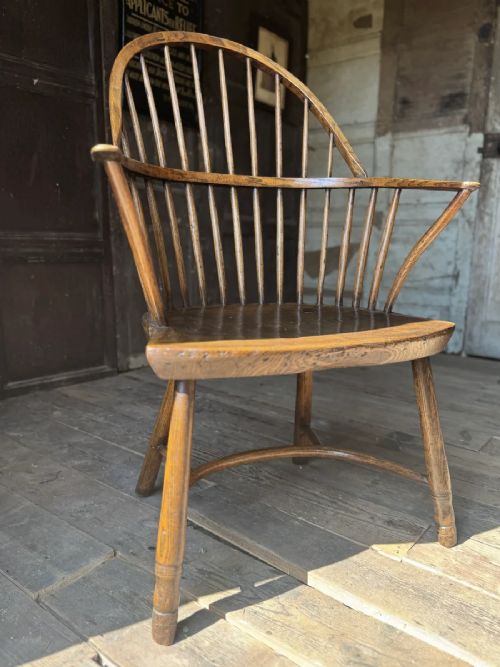
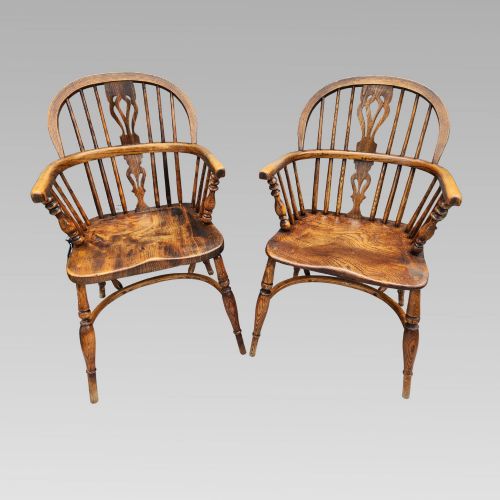
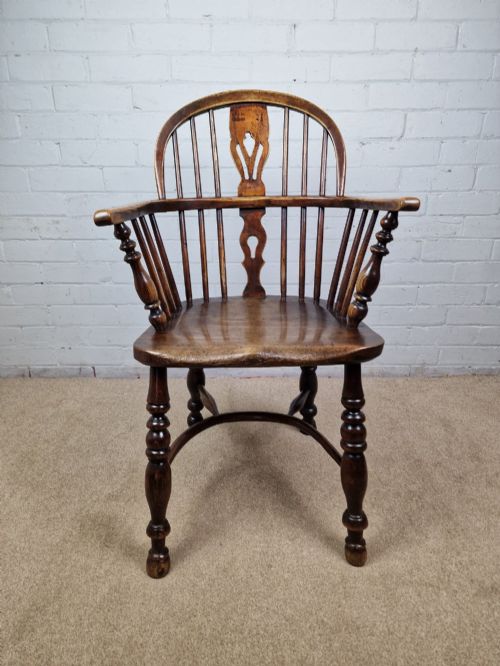
A crinoline armchair is fundamentally a Windsor chair form, defined by its traditional hoop or low back and sturdy wooden construction. When searching for a crinoline armchair, buyers encounter pieces primarily originating from the eighteenth and nineteenth centuries, spanning Georgian and Victorian periods.
Materials and construction
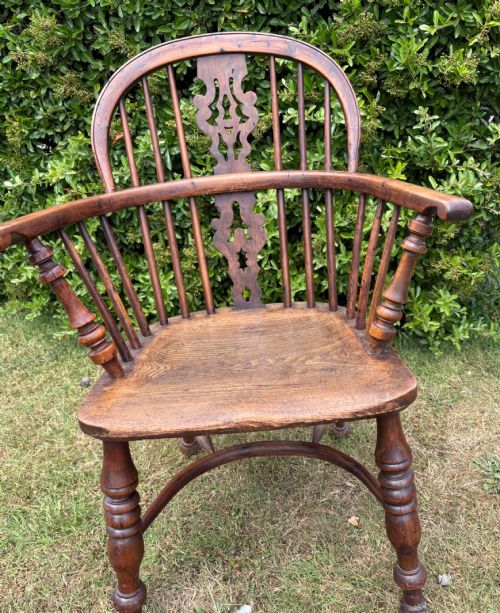
These chairs combine multiple woods within a single piece, typically pairing a durable elm seat with yew or ash for the spindles and bending elements. The components are shaped using traditional turning and steam-bending techniques before being assembled with wedged tenon joints.
The defining crinoline stretcher links the legs in a curved hoop configuration, adding structural rigidity while creating the distinctive aesthetic that gives the chair its name.
Crinoline Armchair Retail Price Guide 2026
Typical asking prices for crinoline armchair among the pieces listed under this phrase on Sellingantiques today, from the lower quarter to the upper quarter. They describe what is for sale here now, not the wider market.
Regional cabinet makers from Worksop feature prominently among the recorded workshop origins.
Assessing quality and character
Quality in these armchairs rests upon the figured grain of the wood, particularly in yew wood seats and burr back splats, alongside the elegance of the spindle turning. The balance of the proportions and the crispness of the hoop joinery distinguish finer workshop output from simpler utilitarian seating.
Wear patterns and patination accumulated over generations contribute to the visual depth of the timber, separating well-preserved examples from those with excessive timber replacement.
Gabbitass Worksop·Rockley Maker·Allsop Worksop·Fred Walker
The Crinoline Armchair Glossary
- Crinoline stretcher
- A curved underframe joining the legs of a Windsor chair, resembling the shape of a mid-nineteenth-century crinoline petticoat. This curved brace provides lateral stability to the leg assembly.
- Windsor chair
- A wooden chair constructed with a solid sculpted seat into which the legs and back spindles are separately socketed. The design relies on the strength of individual turned components rather than a continuous frame.
- Splat
- A central vertical slat of wood set within the back of a chair for structural support and decoration. In these chairs, a burr wood splat often adds visual interest to the low back.
- Vernacular furniture
- Domestic objects made by regional craftsmen following local traditions rather than metropolitan academic designs. These pieces prioritise functional durability and native materials.
Crinoline Armchair: Frequently Asked Questions
What is a crinoline armchair?
A crinoline armchair is a traditional wooden Windsor chair distinguished by its curved under-stretcher, which loops outward between the legs.
These pieces date primarily from the Georgian and Victorian eras, combining sturdy country construction with comfortable timber seats.
How do I identify a crinoline stretcher?
The stretcher forms a distinct outward-sweeping curve beneath the seat, connecting all four legs to provide structural stability.
This feature separates them from standard H-stretcher or crinoline-free Windsor variants.
What woods were used to make them?
Makers utilised native British hardwoods, frequently pairing an elm seat with yew wood or ash for the spindles and bent arms.
This combination allowed flexible parts to be steam-bent while providing a dense, hard-wearing surface for the seat.
Where were these chairs made?
Production was centred in English regional workshops, with notable hubs in Nottinghamshire and the West Country.
Local craftsmen relied on readily available woodland materials to supply rural homes and farmhouses.