

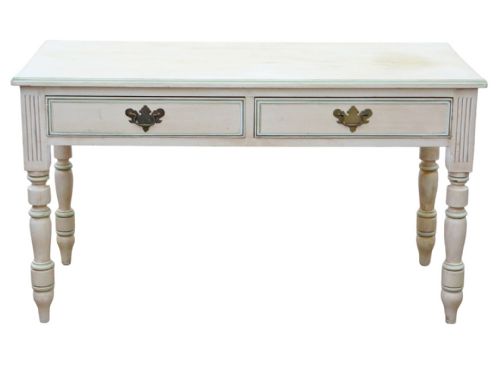

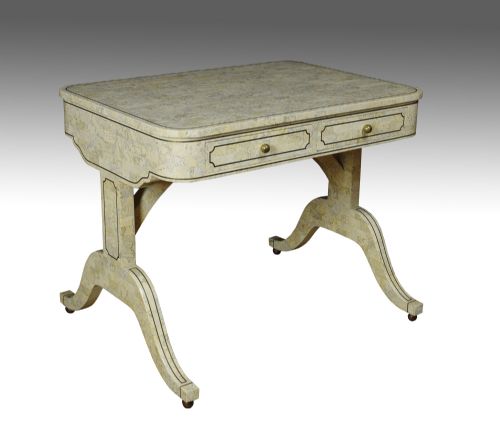


Cream Writing Desk
These cream writing desk pieces bring practical workspace and painted charm together, offering a surface for letters and daily administration.
Cream Writing Desk
A cream writing desk combines workspace utility with painted finishes, appearing across various historical periods from the Georgian era to the early twentieth century. Buyers seeking this search phrase encounter pieces designed for functional use, ranging from simple kneehole desks to kidney-shaped writing tables.
Formations extend beyond traditional writing tables to include side tables, console tables, and secretaire bookcases adapted for similar domestic roles. These objects serve as functional furniture while introducing light, neutral tones to an interior space.
Materials and construction methods
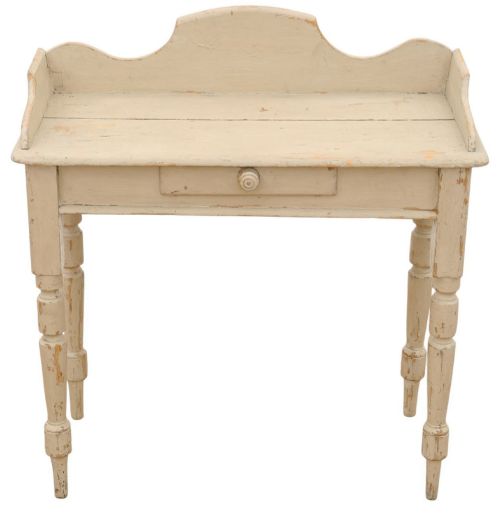
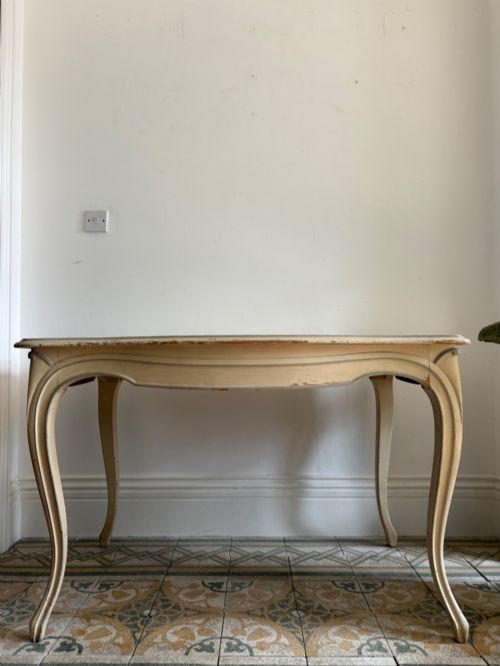
Construction relies primarily on wood, timber, and pine as foundational materials for frames, drawers, and surfaces. Artisans applied paint directly to wood, creating the characteristic cream finish seen on French chateau and rustic farmhouse pieces.
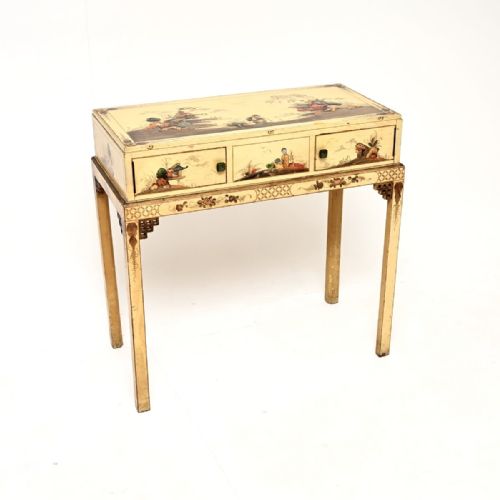
Decorative elements involve specialist additions such as giltwood trim, brass hardware, and inset leather or suede writing surfaces. Certain pieces also integrate applied plaques or intricate Chinoiserie detailing upon the painted ground.
Cream Writing Desk Retail Price Guide 2026
Typical asking prices for cream writing desk among the pieces listed under this phrase on Sellingantiques today, from the lower quarter to the upper quarter. They describe what is for sale here now, not the wider market.
Listings feature 19th Century, Georgian, and 1920s periods, using painted wood, pine, brass, and leather materials.
Markers of distinction in execution
Quality separates standard utilitarian furniture from exceptional decorative works through the refinement of painted decoration and surface detail. The presence of original painted motifs, giltwood accents, or specialised insets elevates a piece above simpler painted pine or timber constructions.
Structural sophistication also dictates standing, with serpentine fronts, kidney shapes, and kneehole configurations requiring greater joinery skill than standard rectangular side or console tables. The preservation of original surface finishes significantly influences the character of each piece.
The Cream Writing Desk Glossary
- Kneehole desk
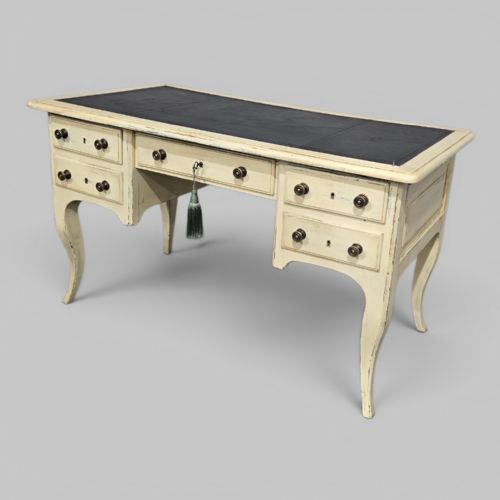
- A writing table featuring a central recess for the user's legs, flanked by pedestals of drawers on both sides. This form provides substantial storage while maintaining a formal architectural symmetry.
- Kidney-shaped table
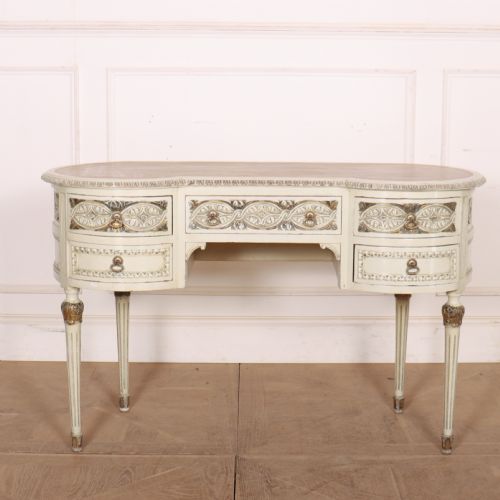
- A writing or side table with a curved, kidney bean outline designed to fit comfortably against the body. This configuration became particularly popular during the nineteenth and early twentieth centuries.
- Bureau
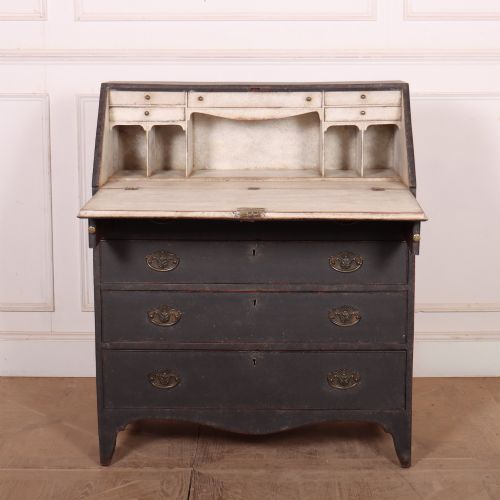
- A sloping desk lid that folds down to reveal a fitted interior of small drawers and pigeonholes above a chest of drawers. Georgian examples often showcase elaborate decorative schemes such as Chinoiserie.
- Secretaire bookcase
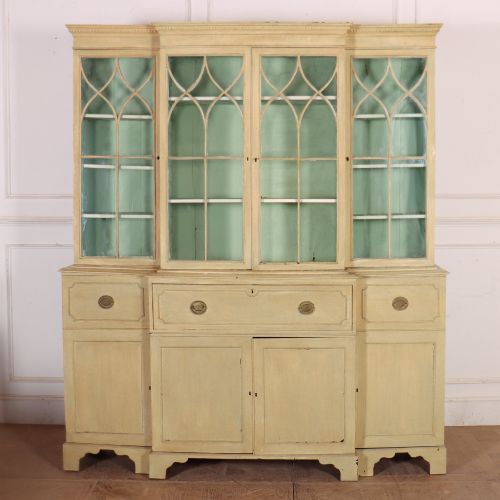
- A tall cabinet combining a pull-out writing drawer or drop-front desk compartment with upper display shelving. These dual-purpose pieces maximise storage in principal rooms.
- Gustavian
- A Swedish neoclassical style originating in the late eighteenth century characterised by light painted finishes and restrained classical ornamentation. Pieces from this tradition favour pale tones and understated carving.
Cream Writing Desk: Frequently Asked Questions
What defines a cream writing desk?
A cream writing desk is a piece of furniture finished in a pale painted coat, specifically built to provide a stable surface for correspondence or paperwork. These items encompass various historical styles, from French provincial tables to Victorian kneehole desks.
They bridge the gap between utilitarian workspace and decorative interior furnishing, utilising timber, pine, and painted wood construction.
How do I style a cream desk?
Integrating a cream writing desk into a room involves pairing its neutral painted finish with complementary wood tones or contrasting upholstery. Placing the desk against darker walls allows the pale paint to stand out as a focal point.
Accessories should remain practical, utilising traditional desk lamps or leather blotters that match the period character of the table.
Where were these desks placed?
Historically, these desks occupied private studies, drawing rooms, or bedrooms for managing correspondence and personal accounts. Console and side table variants often stood in hallways or reception rooms.
Their finished backs frequently allowed them to sit away from the wall in the centre of a room.
How do I identify the period?
Identifying the period requires examining the construction techniques, hardware, and stylistic motifs present on the piece. Georgian and Victorian examples display different joinery methods and proportions compared to later Art Deco or early twentieth-century variants.
Painted decoration and applied details like giltwood or Wedgwood plaques also point towards specific design movements.