
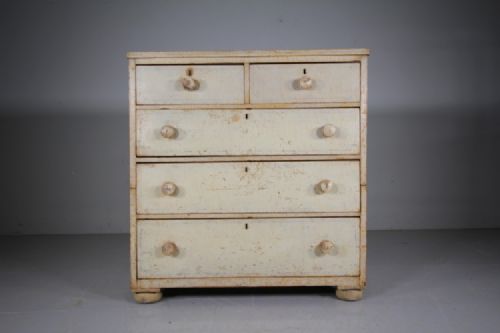
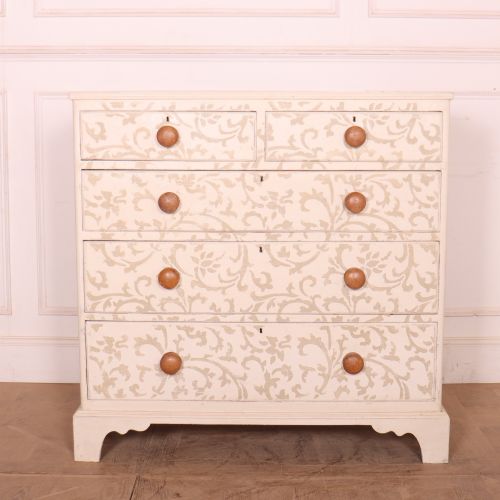
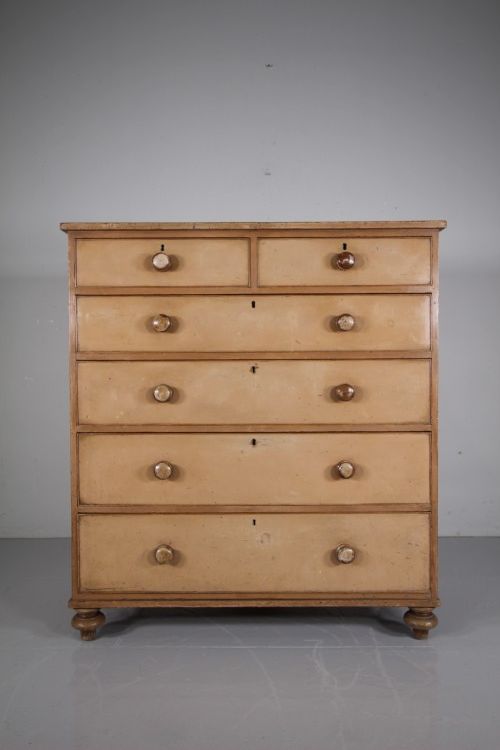


Cream Tallboy Chest
A cream tallboy chest provides significant storage with a vertical footprint, bringing painted elegance and historic presence to a bedroom or dressing room.
Cream Tallboy Chest
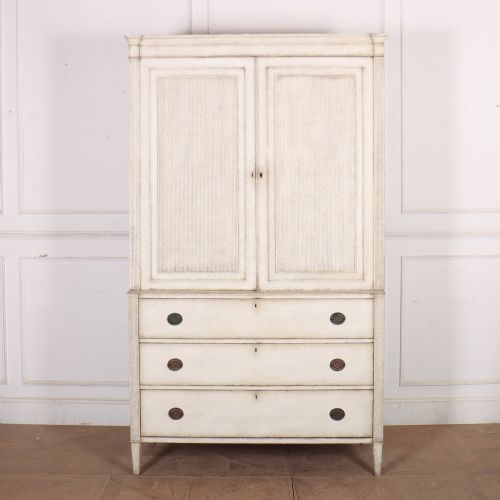
When you search for a cream tallboy chest, you encounter tall storage furniture designed to hold garments without occupying excessive floor space. These pieces span several centuries, drawing on 18th century, Regency, and Victorian traditions.
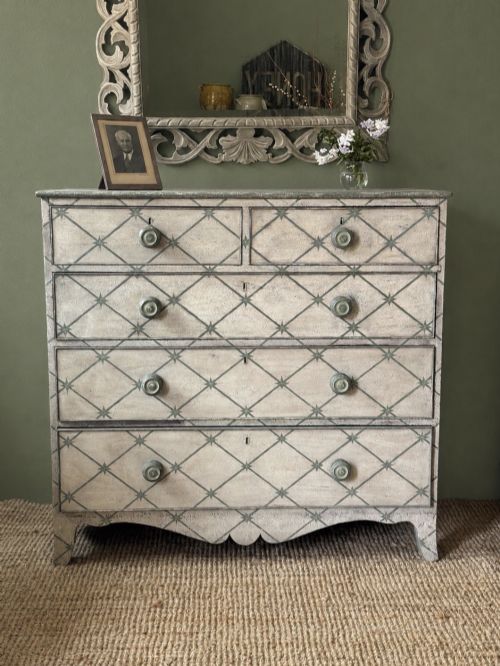
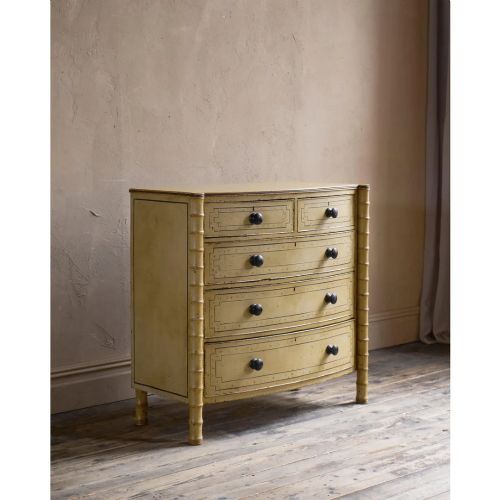
You are most likely to meet painted pine and softwood examples finished in pale cream, often dating from the 19th century. Some items combine older mahogany construction with later painted surfaces, while others show decorative japanning or faux bamboo details.
How they were made
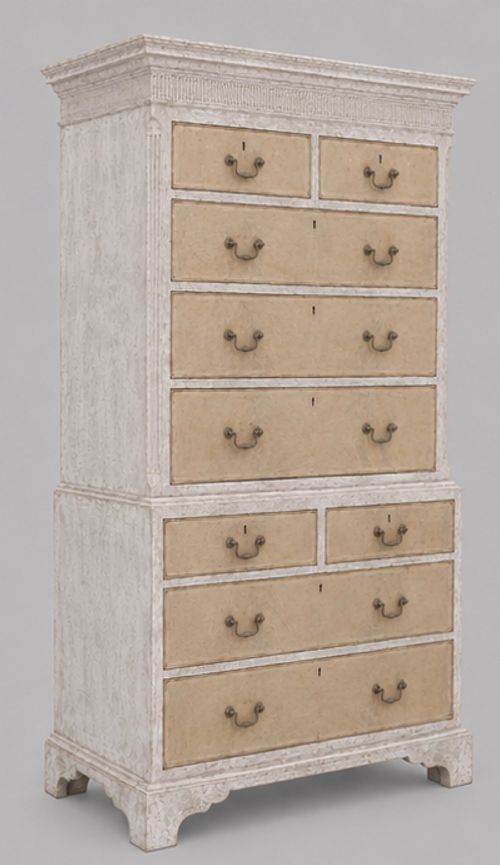
These items rely primarily on timber construction using pine, softwood, and mahogany, shaped into substantial vertical carcases. Many traditional pieces are made in two parts to facilitate movement, stacking a smaller chest upper section onto a deeper base.
Surfaces are finished with paint, including original painted schemes and pale cream decorative japanning. Brass hardware such as handles and escutcheons completes the construction, alongside applied wooden details like faux bamboo turnings.
Materials recorded across the inventory include pine, mahogany, painted softwood, brass, and timber.
What varies in quality
Quality rests upon the integrity of the original construction and the preservation of early paint surfaces. Pieces retaining genuine historical paint or specific regional decorative schemes command greater attention from purists than later generic repainting.
Proportion and execution define the better examples, particularly on complex chest-on-chest forms where the transition between the upper and lower sections must balance harmoniously. Finer items incorporate signed elements, provenance, or sophisticated decorative motifs like Chinoiserie.
The Cream Tallboy Chest Glossary
- Tallboy
- A tall chest of drawers, often constructed as a chest-on-chest where a smaller upper section sits upon a larger lower base. This form maximises vertical storage capacity while maintaining a manageable floor footprint.
- Chest-on-chest
- A specific form of tall furniture comprising two distinct carcass sections stacked one directly upon the other. The upper chest is typically narrower than the lower component.
- Faux bamboo
- Wood turned and carved to imitate the segmented stalks of natural bamboo. This decorative technique appears frequently on Regency furniture.
- Softwood
- Timber derived from conifer trees, such as pine, utilised extensively for the carcases and internal structures of painted country furniture.
Cream Tallboy Chest: Frequently Asked Questions
What is a cream tallboy chest?
A cream tallboy chest is a tall vertical storage unit, frequently built as a chest-on-chest or tall chest of drawers, finished with a pale cream painted surface. These pieces provide deep drawer capacity while occupying minimal floor space in a room.
They combine the practical utility of traditional clothes storage with a decorative painted exterior that softens the visual weight of large wooden furniture.
How were tallboy chests used historically?
Historically, tallboys served as primary bedchamber furniture for storing linens, undergarments, and folded clothing. Their elevated design kept garments away from damp stone or cold floorboards.
The stacked construction of chest-on-chest variants also allowed owners to transport heavy storage furniture up narrow staircases in two manageable sections.
How do I date a painted chest?
Dating a painted chest involves examining the underlying timber construction, drawer dovetails, and backboards alongside the characteristics of the paint layer. Georgian and Regency pieces show hand-cut joinery and proportions distinct from later Victorian or 20th-century items.
Original paint surfaces often exhibit craquelure, wear patterns, and subtle ageing that distinguish them from modern repainting efforts.
Where does a tallboy work best?
A tallboy works well in bedrooms, dressing rooms, or hallways where floor space is restricted but vertical capacity is required. Its height draws the eye upward, making it a strong focal point against plain walls.
Styling depends on the finish, allowing painted pine country pieces to suit relaxed interiors while japanned or neoclassical examples complement more formal settings.