

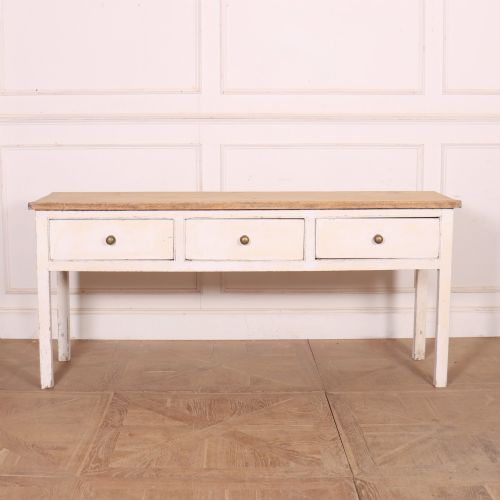
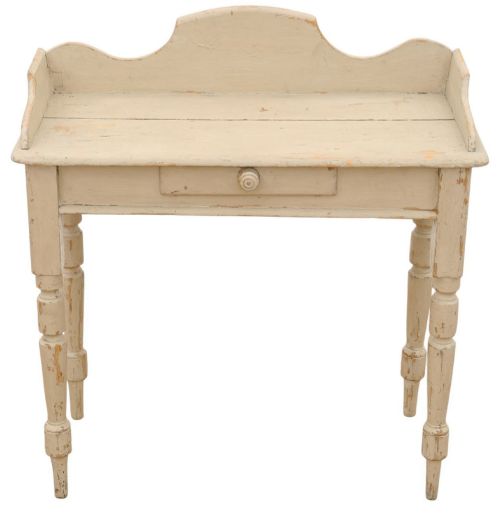
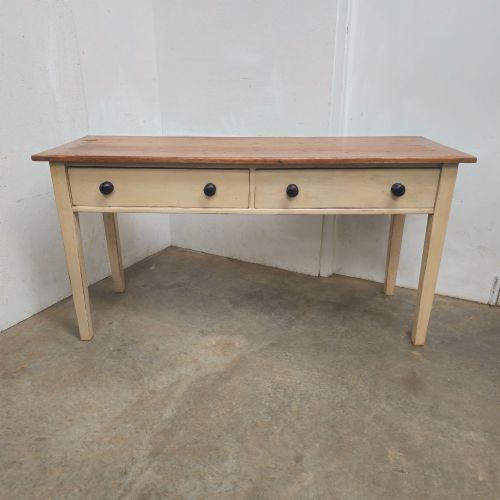
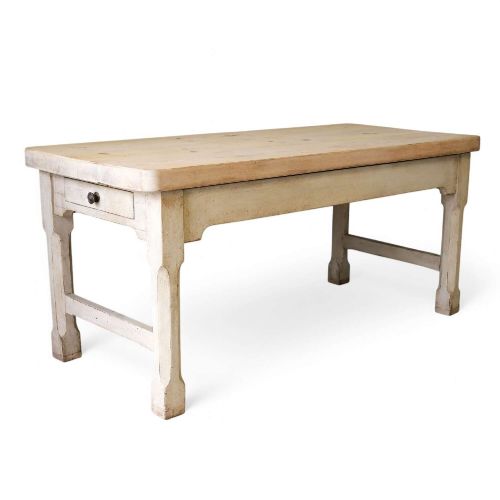

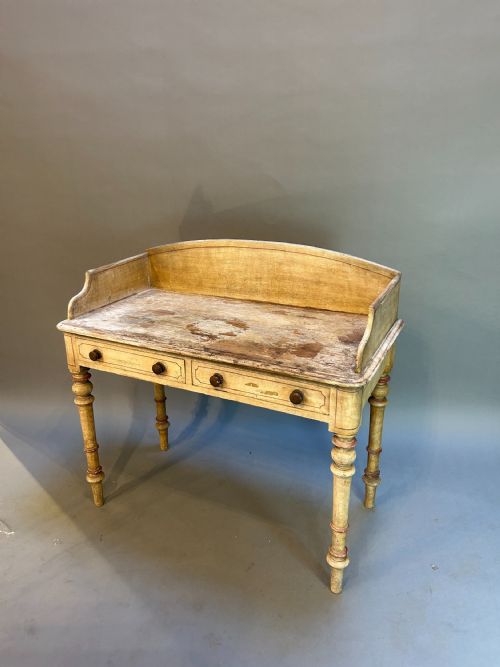
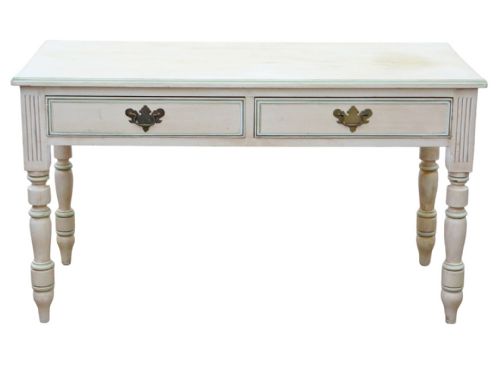


Cream Pine Table
These cream pine table pieces bring honest utility and character to a room, offering practical surfaces with time-worn painted finishes.
Cream Pine Table
A cream pine table provides a sturdy and functional surface rooted in domestic history, drawing from English country and rustic farmhouse traditions. When searching for a cream pine table, buyers encounter functional forms designed for daily use in kitchens, dairies, and country houses.
The selections span various centuries, featuring 18th century, Victorian, and 19th century examples alongside later pieces from around nineteen twenty. These items appear in diverse forms such as prep tables, writing desks, servers, and dresser bases.
Surfaces range from scrubbed timber tops to painted boards, often paired with brass or metal hardware where drawers are fitted. Such pieces serve well in modern interiors seeking an authentic, aged aesthetic without pretense.
How they were made
Construction relies upon solid pine joined simply yet effectively for heavy domestic service, utilising traditional framing methods suited to utilitarian furniture. Wood is selected for durability, forming substantial tops and internal drawer structures.
Surfaces receive layers of paint, sometimes applied in later periods over original timber, creating the characteristic worn cream finish seen across the selection. Metal and brass components such as handles or fixings are integrated into functional areas like drawers and servers.
Cream Pine Table Retail Price Guide 2026
Typical asking prices for cream pine table among the pieces listed under this phrase on Sellingantiques today, from the lower quarter to the upper quarter. They describe what is for sale here now, not the wider market.
Listings feature pine and painted wood across the eighteenth, nineteenth, and early twentieth centuries, including Victorian country pieces.
What varies in quality
The distinction between ordinary and superior examples lies in the integrity of the original construction and the character of the surface wear. Pieces retaining early or original paint finishes command greater interest than those with heavy modern intervention.
Proportion and utility also separate individual pieces, with well-balanced proportions in dresser bases and prep tables indicating careful regional joinery. The condition of the scrubbed top surfaces or the depth of the painted patina dictates the visual weight of the item in a room.
The Cream Pine Table Glossary
- Scrubbed top
- A wooden surface washed repeatedly over generations until the grain stands proud and pale. This finish results from rigorous daily kitchen or dairy work.
- Potboard
- A lower shelf fitted beneath a dresser base or table for storing pots and pans. It sits just above the floor on lower stretchers.
- Prep table
- A heavy-duty working table used historically for food preparation in large country houses. These items feature thick tops capable of enduring heavy daily tasks.
- Dresser base
- The lower section of a kitchen dresser, usually comprising drawers and cupboards below a flat surface. They functioned as primary workspaces before fitted kitchens appeared.
Cream Pine Table: Frequently Asked Questions
What is a cream pine table?
A cream pine table is a utilitarian wooden item of furniture finished with paint, originating from country houses, dairies, and farmhouses.
These pieces include work tables, writing desks, and dresser bases built for practical everyday service.
How were these tables used historically?
Historically, these tables served as functional work surfaces for food preparation, writing, and storage in domestic settings.
Their sturdy construction allowed them to withstand heavy daily labour in kitchens and preparation rooms.
How do I live with a painted pine table?
Living with these pieces involves embracing their aged surfaces and incorporating their rustic character into everyday living spaces.
They function well as kitchen islands, sideboards, or desks where their practical history remains visible.
How can I tell the periods apart?
Periods are identified through construction techniques, hardware styles, and the specific characteristics of the timber and paint.
Earlier examples from the eighteenth century show different joinery methods compared to Victorian or later nineteenth-century pieces.