





Cream Pedestal Column
A cream pedestal column brings neoclassical height and classical presence to a room, lifting busts, vases and plants with architectural poise.
Cream Pedestal Column
A cream pedestal column is a sturdy vertical support used to elevate sculpture, lamps, and plants within a domestic interior. These pieces draw directly on classical architectural forms, bringing distinct structural verticality to domestic spaces.
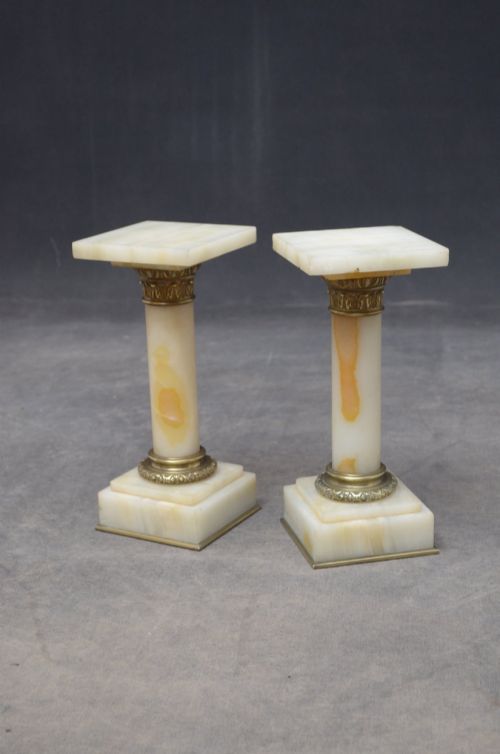
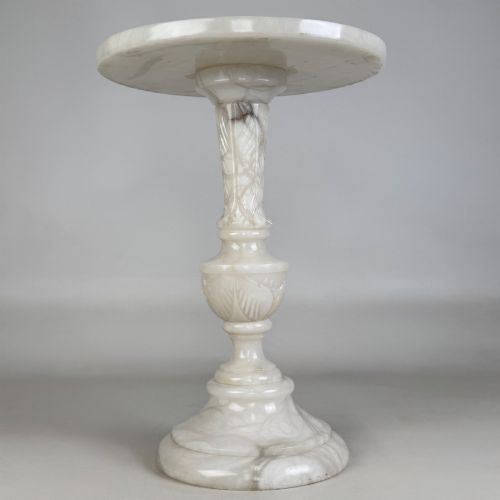
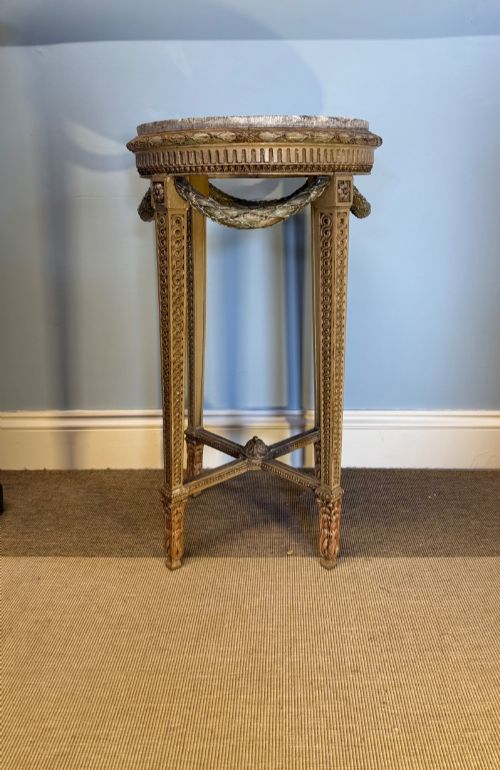
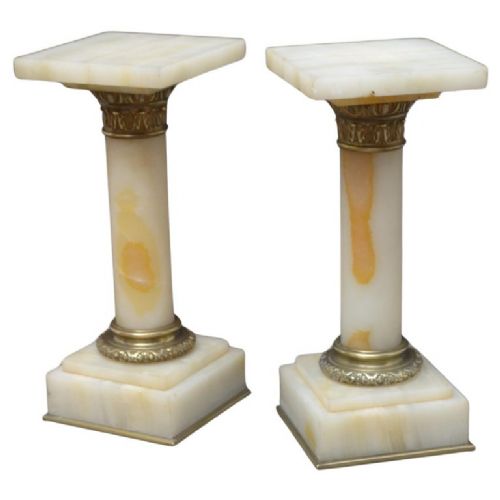
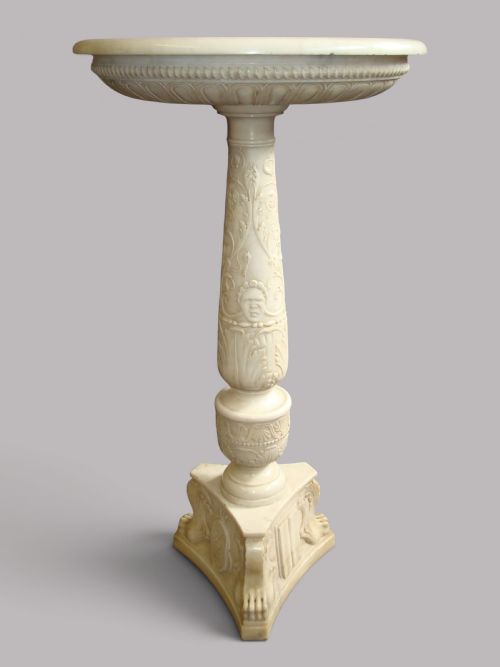
You are most likely to encounter nineteenth-century examples and twentieth-century interpretations influenced by neoclassical, classical revival, and Louis XVI styles. The selection ranges from carved alabaster and arabescato marble to painted plaster and faux marble wooden display columns.
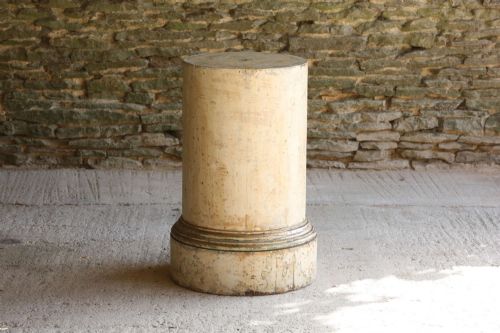
Many of these stands function as independent side tables or plant stands alongside their primary role as sculpture plinths. Their forms span simple cylindrical sculpture stands to elaborate designs featuring ormolu collars and paired caryatids.
How they were made
Makers utilised heavy natural stones such as onyx, alabaster, and marble, often turning or carving the material into smooth cylindrical and fluted columns. Brass or ormolu mounts were frequently added as collars and decorative accents to enhance the stone structures.
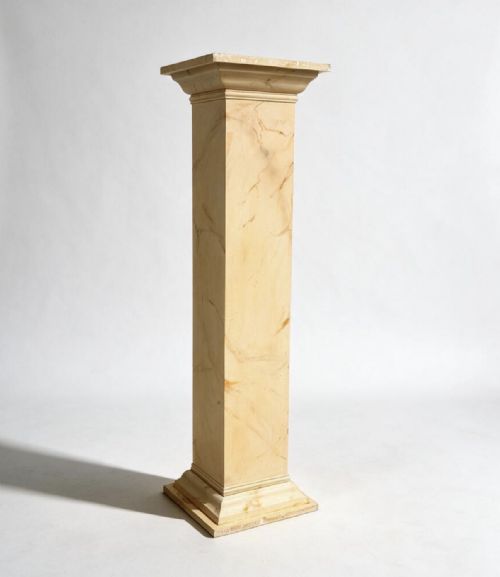
Wooden frames received skilled paint finishes to imitate marble, producing lighter display columns for domestic settings. Plaster was also moulded into decorative plant stands and paired caryatids before receiving a painted finish.
Cream Pedestal Column Retail Price Guide 2026
Typical asking prices for cream pedestal column among the pieces listed under this phrase on Sellingantiques today, from the lower quarter to the upper quarter. They describe what is for sale here now, not the wider market.
One low pair of antique columns evidently decided to skip vertical ambition entirely.
What varies in quality
The choice of material dictates much of the distinction in these pieces, separating solid carved alabaster and fine onyx columns from painted plaster or faux marble wooden constructions. Natural stone brings heft and distinct geological veining, whereas painted wood and plaster rely entirely on the execution of the surface finish.
Artisanal execution in the carving and mounting defines the upper tier of the range. Precision in the carved details, the stability of the column base, and the integration of brass or ormolu collars separate standard utility stands from decorative works.
The Cream Pedestal Column Glossary
- Ormolu
- Gilded bronze mounts applied as decorative collars and accents on stone columns. This technique was widely favoured in French neoclassical design.
- Alabaster
- A soft, fine-grained stone used for carving translucent plant stands and decorative columns. It allows subtle light diffusion when thin.
- Caryatid
- A sculpted female figure serving as an architectural support in place of a column. They appear supporting sculptural pedestals.
- Neoclassical
- A style reviving classical Roman and Greek architectural motifs. It governs the proportions and decorative vocabulary of these columns.
- Tazza
- A shallow cup or bowl set upon a pedestal. Early Italian examples combine carved marble basins with supporting columns.
Cream Pedestal Column: Frequently Asked Questions
What holds up a heavy marble column?
A solid stone shaft requires a broad, weighted base and a level floor to maintain stability. Most nineteenth-century examples rely on sheer gravity and dense materials like onyx or marble to keep their balance.
Heavier columns distribute their weight evenly across the footprint, but placing them away from high-traffic household areas remains sensible practice.
Can these columns support heavy plant pots?
Stone and marble columns easily bear substantial planters, whereas painted wood or plaster versions suit lighter decorative arrangements. Checking the structural material ensures the stand matches the weight of the object placed upon it.
Water drainage from plants requires a protective saucer to prevent moisture staining the stone or painted wood surfaces over time.
How do I clean an onyx or marble column?
Natural stone surfaces require simple dusting with a soft cloth and occasional wiping with a damp sponge. Avoid acidic cleaners or household detergents that can etch polished marble and onyx.
Alabaster is particularly porous and sensitive to moisture, meaning it should be kept dry and cleaned only with a very dry cloth.
Where should I place a pedestal column?
These pieces suit corners, entrance halls, and alcoves where vertical lines draw the eye upward without obstructing pathways. Placing a column in a stable, low-traffic spot protects both the stand and the sculpture it displays.
Matching the neoclassical or Victorian style of the column to the surrounding room helps integrate the vertical display piece naturally.