







Cream Needlework Tapestry
Cream needlework tapestry encompasses hand-stitched textiles and wall hangings from diverse global traditions, offering textural depth and historical character to an interior.
Cream Needlework Tapestry
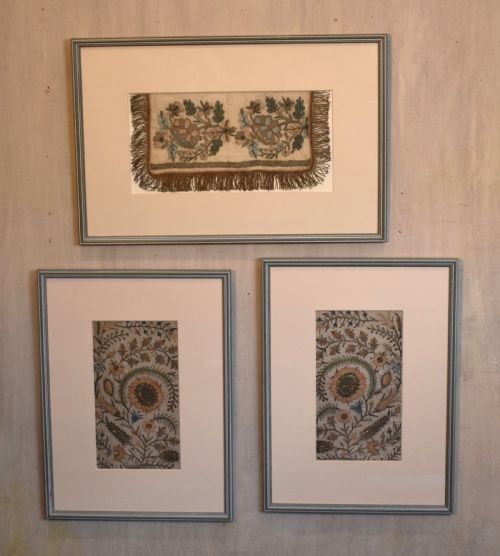
Cream needlework tapestry brings together embroidered wall panels, detailed samplers, and upholstered furnishings spanning multiple centuries. These pieces originate from English workshops, French studios, Italian ateliers, and Central Asian regions.
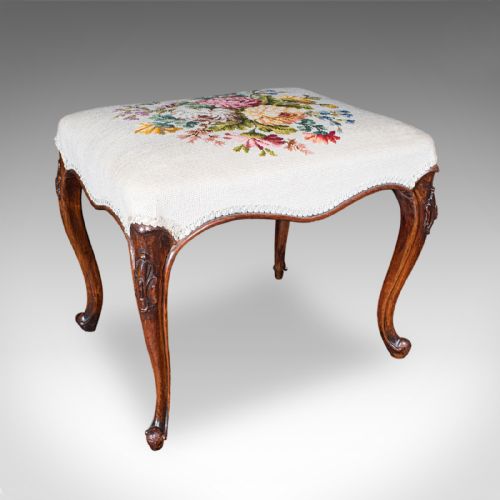
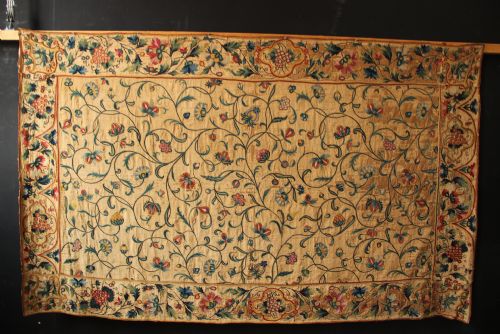
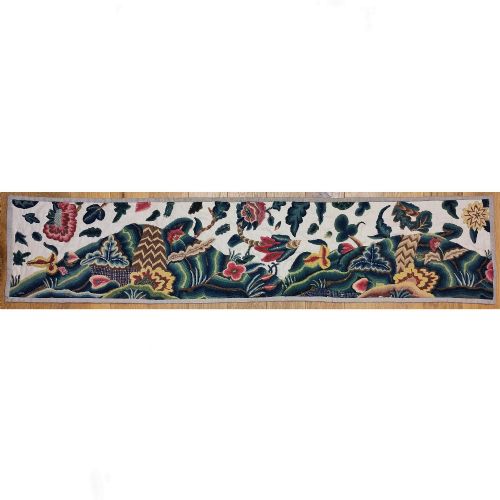
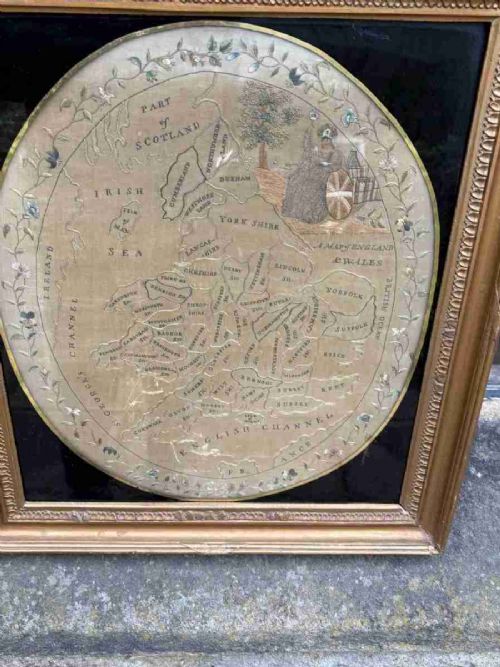
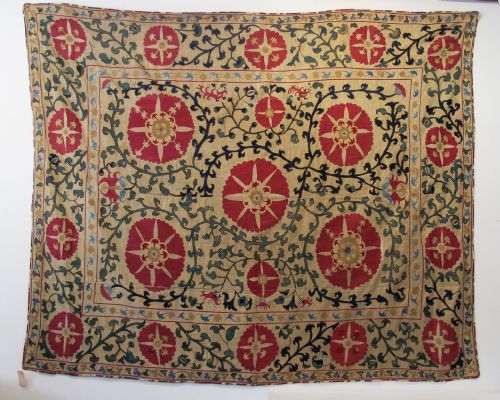
The selection ranges from early English crewelwork panels and Georgian map samplers to intricate Central Asian suzanis worked in silk and cotton. Buyers frequently encounter nineteenth-century needlepoint pictures alongside structured armchairs and footstools retaining period upholstery.
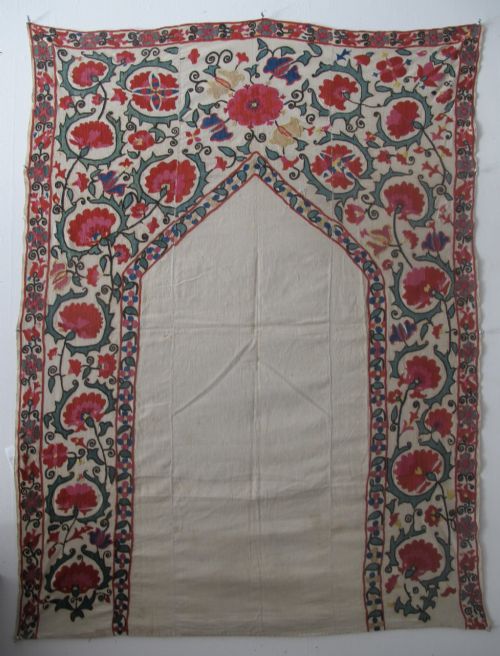
Originating across distinct stylistic traditions, these textiles include traditional English florals alongside Bokhara and Samarkand designs featuring architectural or prayer formats. Each piece reflects the domestic or regional craft methods of its specific period.
Materials and Technique
Artisans constructed these pieces using natural woven foundations including linen, canvas, cotton, and wool. Stitchers applied fine threads of silk, wool, and cotton to build dense surface patterns.
Makers employed varied stitching methods such as crewelwork, gros point, and needlepoint to create texture and relief. Certain upholstered items combine painted wooden frames with stitched textile coverings.
Cream Needlework Tapestry Retail Price Guide 2026
Typical asking prices for cream needlework tapestry among the pieces listed under this phrase on Sellingantiques today, from the lower quarter to the upper quarter. They describe what is for sale here now, not the wider market.
Current listings span from the seventeenth century through the twentieth century, featuring English, French, Italian, and Central Asian origins.
Quality and Execution
The standard of a piece rests on the precision of the needlework and the complexity of the design layout. Finer works display tight, even stitches and sophisticated colour blending across the composition.
Materials dictate the calibre of the textile, with high-grade silk embroidery and early hand-spun wool threads showing superior longevity and detail. Preservation of the original ground fabric and structural integrity also separates superior examples.
The Cream Needlework Tapestry Glossary
- Crewelwork
- Embroidery executed with wool yarn on a linen or cotton twill ground. This technique creates textured designs historically seen on English bed hangings and panels.
- Suzani
- A type of embroidered tribal textile originating from Tajikistan, Uzbekistan, and other Central Asian regions. These panels are typically stitched with silk thread on a cotton foundation in bold floral or geometric motifs.
- Sampler
- A piece of needlework produced by a beginner or stitcher to demonstrate various embroidery stitches and patterns. Georgian examples frequently incorporate alphabets, numerals, and map designs alongside textual verses.
- Gros Point
- A type of needlepoint embroidery worked on a coarse canvas with wool or silk yarn. It produces a durable, firm textile suitable for upholstery on chairs and footstools.
- Needlepoint
- Embroidery stitched onto a stiff grid canvas where the yarn entirely covers the foundation fabric. It yields a rigid decorative surface used in historical pictures and furnishings.
Cream Needlework Tapestry: Frequently Asked Questions
How do I care for antique needlework?
Keep textile panels out of direct sunlight to prevent fading of the silk and wool threads. Dust them gently with a soft brush rather than shaking or beating the fabric.
Avoid hanging tapestries in damp environments like unheated rooms or kitchens. Consult a textile conservator if the backing fabric requires cleaning or structural reinforcement.
Where were suzanis made?
Suzanis were traditionally created by women in Central Asian households across modern-day Uzbekistan, including centres such as Bokhara and Samarkand. Families produced them as part of a bride's dowry.
These large embroidered panels served multiple domestic functions, functioning as wall decorations, bed covers, or ceremonial coverings in homes.
How are periods identified?
Dating relies on stylistic markers, stitch types, and the composition of the threads and ground fabrics. Georgian samplers often include specific dates and makers' names stitched directly into the design.
Central Asian suzanis and European needlepoints are attributed by comparing their regional motifs, colour palettes, and structural layouts to documented historical examples.
Can antique textiles be used as floor rugs?
Most antique needlework and suzanis are intended for walls, furniture upholstery, or decorative display rather than heavy floor traffic. The delicate silk and wool threads wear down quickly underfoot.
Items specifically classed as rugs endure foot use, but delicate decorative textiles require placement in low-wear settings to preserve their stitched surfaces.