

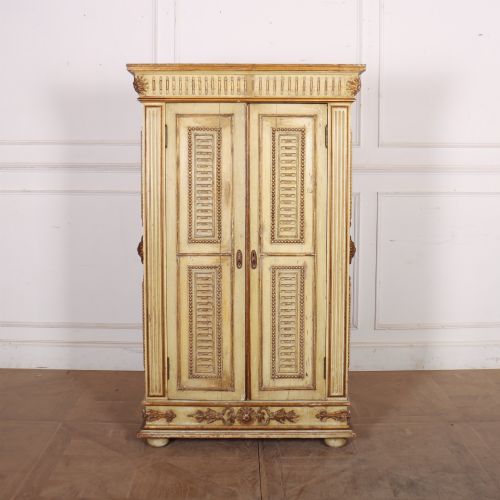
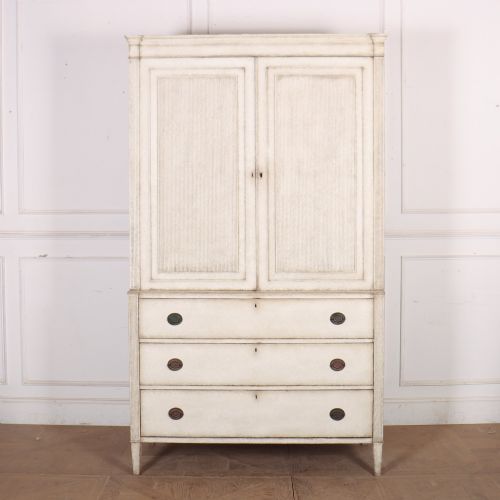


Cream Linen Press
A cream linen press brings functional storage and a soft, historic finish to a room, drawing on centuries of vernacular cabinet-making traditions.
Cream Linen Press
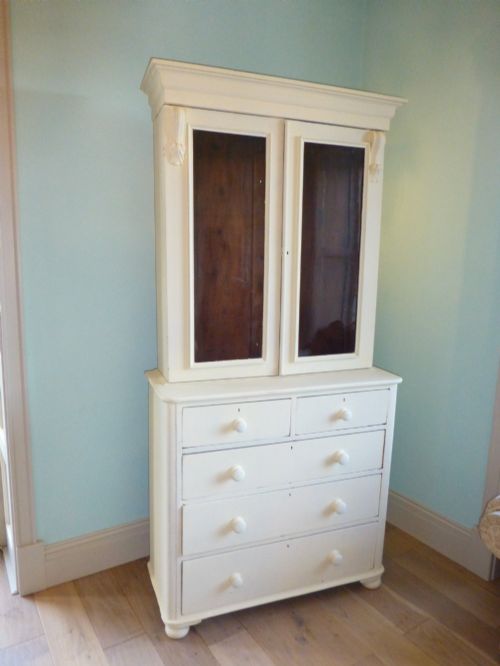
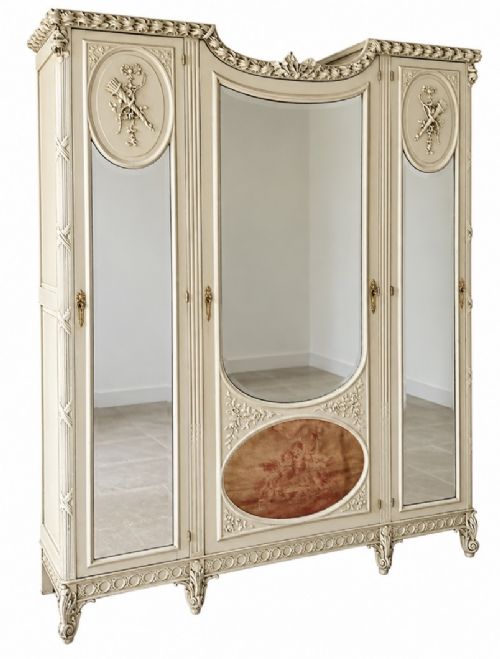
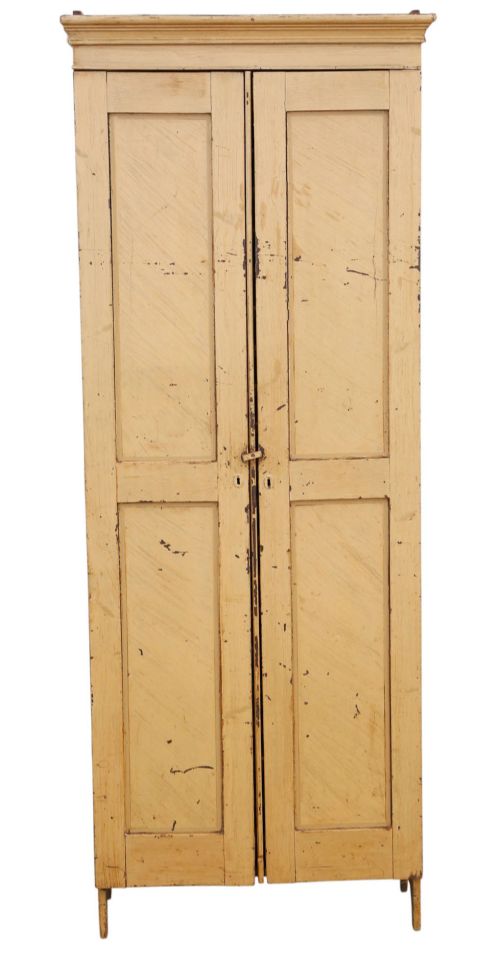
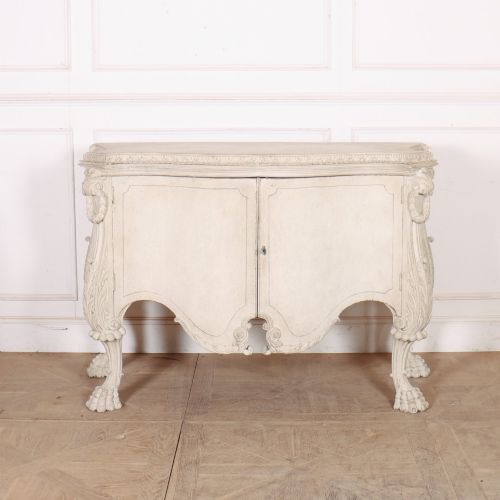
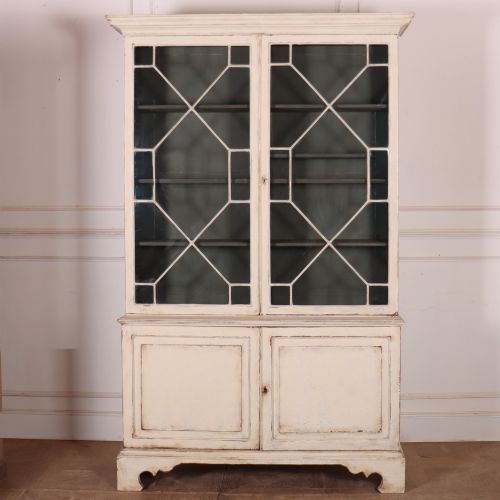
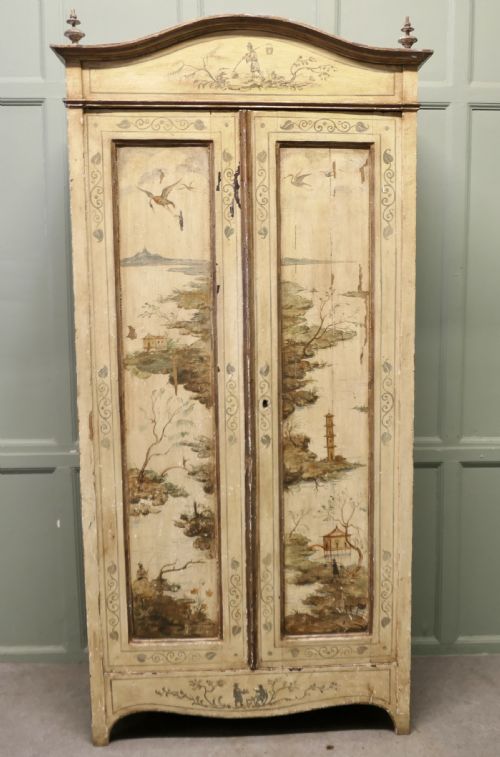
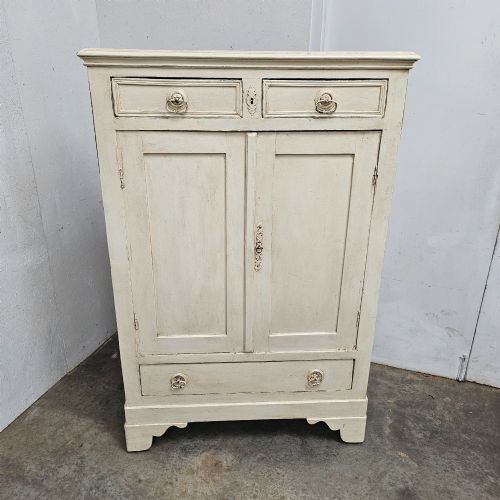
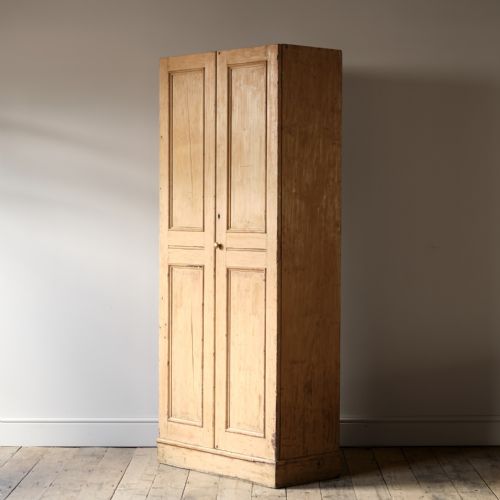
A cream linen press is a substantial storage piece designed originally for linens and garments, appearing here in regional country forms and painted finishes. These items emerge from various periods including the eighteenth and nineteenth centuries, as well as the Victorian era. Buyers searching for a cream linen press encounter tall cupboards, housekeepers' cupboards, and armoires originating from English, French, Italian, and Scandinavian workshops.
The aesthetic leans heavily toward provincial styles, featuring painted timber surfaces in subtle cream tones rather than polished hardwoods. Many pieces display original or later painted treatments that soften their imposing architectural scale. Housekeepers' cupboards and side cabinets dominate the selection, offering generous interior space behind panelled or glazed doors.
Qualities of distinction
The quality of a cream linen press rests largely on the integrity of its surface finish and the preservation of its original structure. Pieces retaining their early or original paint layers command greater interest among collectors than those with modern overpainting. Proportion also dictates worth, as taller narrow formats and balanced architectural proportions are particularly desirable.
Hand-wrought iron hardware, authentic period glass in glazed doors, and undisturbed interior timber shelving elevate a piece above standard utility items. The subtlety of the provincial styling, whether English country or French provincial, reflects the care applied by regional makers.
Cream Linen Press Retail Price Guide 2026
Typical asking prices for cream linen press among the pieces listed under this phrase on Sellingantiques today, from the lower quarter to the upper quarter. They describe what is for sale here now, not the wider market.
Pine is the predominant material recorded across these nineteenth-century and eighteenth-century country cupboards.
The Cream Linen Press Glossary
- Linen press
- A tall cupboard or wardrobe originally designed for storing household linen flat on sliding trays or shelves. They typically combine upper cupboard storage with lower drawer sections.
- Housekeeper's cupboard
- A large multipurpose storage cabinet traditionally used in country houses for provisions, linens, and domestic equipment. These pieces often feature extensive shelving enclosed by large panelled doors.
- Armoire
- A large wardrobe or cupboard, traditionally of European origin, used for hanging garments or storing folded textiles. French and Italian examples often exhibit provincial carved details.
- Chinoiserie
- A European decorative style inspired by Chinese art and design, frequently utilising lacquer and painted outdoor scenes. It appears on select decorative cabinets and cupboards.
- Glazed bookcase
- A cabinet featuring glass-fronted upper doors designed to display books while protecting them from dust. These often form the upper portion of tall storage units.
Cream Linen Press: Frequently Asked Questions
How do I clean a painted linen press?
Dust surfaces gently with a soft, dry cloth to prevent the accumulation of dirt on historic painted finishes. Avoid modern chemical solvents or abrasive cleaners that might strip or damage the aged timber and paint.
Maintain stable indoor humidity levels to protect the underlying pine and prevent the paint layers from cracking or lifting over time.
Where should I place a large cupboard?
Position these substantial pieces against sturdy walls in bedrooms, hallways, or living spaces where their height and depth can be accommodated safely. Ensure the floor is level so the doors hang correctly and close without binding.
Keep the cabinet away from direct heat sources and strong sunlight to prevent the timber from warping and the painted surface from fading.
How do I identify a nineteenth-century piece?
Examine the construction methods, nail types, and saw marks visible on the interior boards and back panels. Nineteenth-century items often utilise machine-sawn timber alongside hand-forged or early machine-made iron hardware.
Compare the proportions and decorative details against documented examples from the Victorian period or continental European provincial traditions.
What is the difference between an armoire and a press?
An armoire is primarily constructed for hanging clothes with internal vertical space, whereas a traditional linen press is built with interior sliding shelves or trays for folded textiles. Presses also tend to incorporate banks of lower drawers beneath the main upper compartment.
Both serve as major architectural storage items in a room, but their internal configurations reflect distinct historical domestic needs.