




Cream Glazed Ceramic Figures
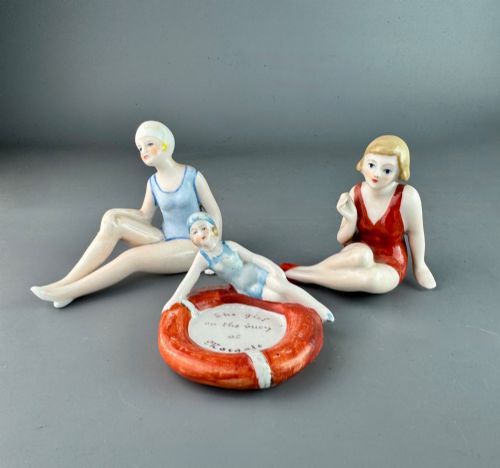
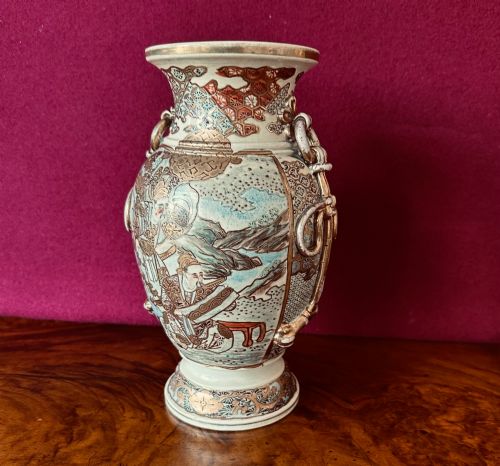
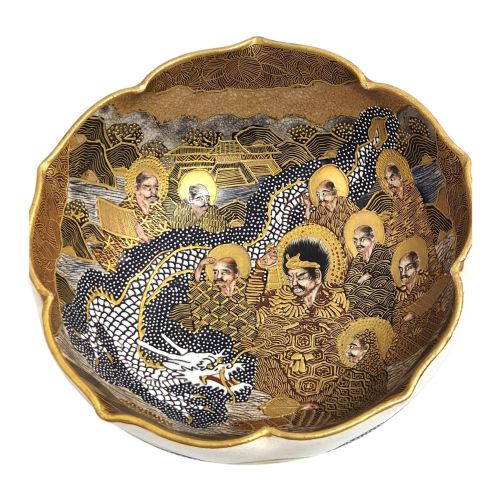
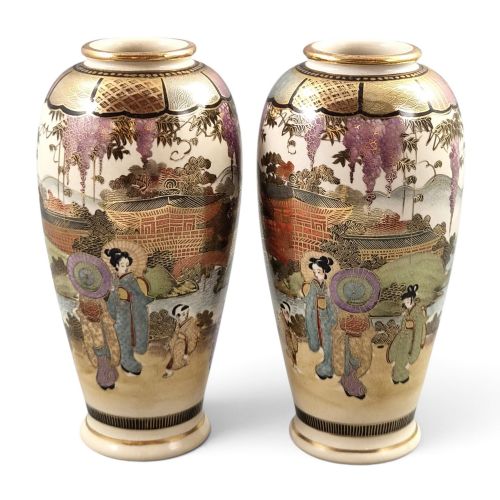
Cream glazed ceramic figures bring domestic interiors alive with character, spanning Victorian Staffordshire subjects to Japanese Satsuma and Art Deco studies.
Cream Glazed Ceramic Figures
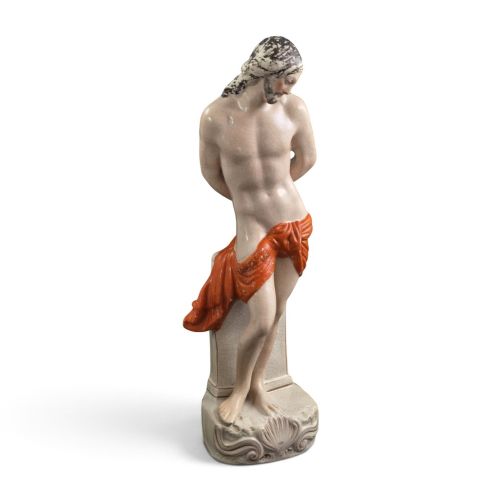
Cream glazed ceramic figures encompass decorative figurines, pottery figures, and sculptural subjects shaped in earthenware, porcelain, and stoneware. When searching for cream glazed ceramic figures, buyers encounter diverse expressions ranging from Victorian figures and animals to Japanese Meiji period okimono and European Art Deco studies.
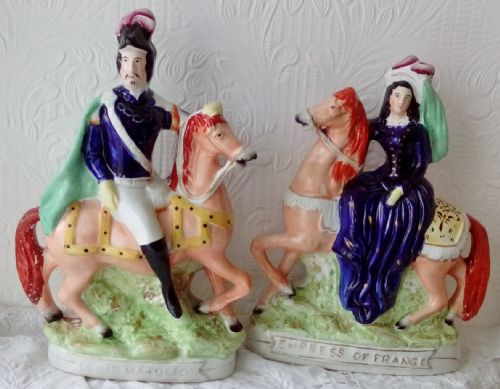
The selections span the nineteenth century through the nineteen-thirties, incorporating Staffordshire pottery subjects, Royal Worcester models, and French folk art. Victorian Staffordshire examples frequently portray historical personalities, animals, and cottages, while continental and Japanese works introduce classical maidens and traditional deities.
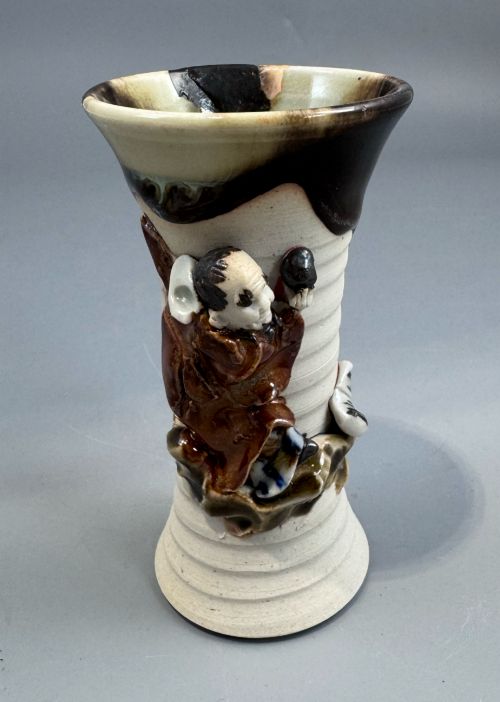
Vessels and structural ornaments also appear alongside pure figurines, including vases, tea jars, and architectural roof tile figures. These pieces share a light-toned ceramic ground, often accented with enamel, gilt, and gold leaf highlights.
Materials and production
Potters utilised earthenware, soft-paste porcelain, terracotta, and stoneware as bodies for these figures, shaping them through moulding or hand-forming techniques. Earthenware formed the foundation for many nineteenth-century Staffordshire works, while porcelain and stoneware suited refined Royal Worcester and Japanese productions.
Glazes provided the characteristic smooth finish, applied over ceramic bodies either plain or enriched with enamel details, gold leaf, and gilt accents. Tin-glazed earthenware and specialised soft-paste formulas achieved distinct textures, sealing the porous clay bodies and preparing surfaces for painted decoration.
Cream Glazed Ceramic Figures Retail Price Guide 2026
Typical asking prices for cream glazed ceramic figures among the pieces listed under this phrase on Sellingantiques today, from the lower quarter to the upper quarter. They describe what is for sale here now, not the wider market.
Listings feature earthenware, porcelain, and stoneware objects spanning the Victorian era, the Meiji period, and the Art Deco nineteen-thirties.
Assessing quality and execution
Quality rests in the crispness of the modelling and the precision of the hand-painted enamel and gilt details. Finer pieces display distinct facial expressions and well-defined garments, whereas simpler works exhibit softer contours and more generalised brushwork.
The integrity of the glaze and the preservation of applied elements such as gold leaf and enamel determine the visual success of a piece. Firing stability also matters, distinguishing balanced sculptures from distorted or heavily restored examples.
Royal Worcester·Royal Dux·Fasold and Stuach·Shozan Satsuma
The Cream Glazed Ceramic Figures Glossary
- Earthenware
- A porous pottery type fired at lower temperatures, commonly used for nineteenth-century Staffordshire figures and French folk art. It requires a glaze to hold liquids and provide a smooth surface.
- Okimono
- A Japanese ornamental carving or figure designed for display, often depicting deities, immortals, or figures from folklore. These works frequently incorporate fine Satsuma ceramic bodies with enamel and gold decoration.
- Staffordshire pottery
- Earthenware ceramics produced in the English Midlands, famous for figures, flatbacks, animals, and architectural models. They typically feature hand-painted details over a pale glaze.
- Soft-paste porcelain
- A ceramic composition fired at lower temperatures than hard-paste, utilised by European factories for figures and vessel groups. It yields a warm texture suited to detailed sculptural forms.
- Flat back
- A style of Staffordshire figure modelled with a plain or unpainted rear side, designed to stand against a wall on a mantelpiece or shelf. This method economised on materials and firing time.
Cream Glazed Ceramic Figures: Frequently Asked Questions
What periods do these figures date from?
The pieces span the eighteenth century through the early twentieth century, with strong representation from the Victorian era, the Meiji period, and the Art Deco nineteen-thirties.
Individual examples reflect the distinct manufacturing standards and stylistic preferences of their respective decades, from mid-nineteenth-century Staffordshire output to later European porcelain studios.
How were Staffordshire figures displayed?
Staffordshire figures with flat backs were traditionally arranged on mantelpieces, ledges, and cottage dressers where viewers only saw the front. Fully modelled figures and pairs of animals stood on side tables and open shelves.
Their cheerful glazes and recognisable subjects added colour and moral or patriotic narrative to domestic Victorian interiors.
How do I distinguish Japanese Satsuma work?
Satsuma wares feature a characteristic crackle-glaze earthenware body, often decorated with elaborate enamel work and gold leaf. Subjects frequently include traditional figures, deities such as Daikoku, and complex botanical motifs.
Signatures from studios and artists like Shozan and Ryosai frequently appear on the base or body of finer Japanese pieces.
What is an okimono?
An okimono is a Japanese decorative object meant for interior display, translating literally as an art piece to be placed. In ceramic form, these subjects portray respected figures, deities, and historical personalities.
They emphasise sculptural detail and skilled modelling over practical utility.