





Cream Glazed Bowls
These cream glazed bowls span centuries of ceramic tradition, offering both rustic utility and intricate decorative artistry for the modern interior.
Cream Glazed Bowls
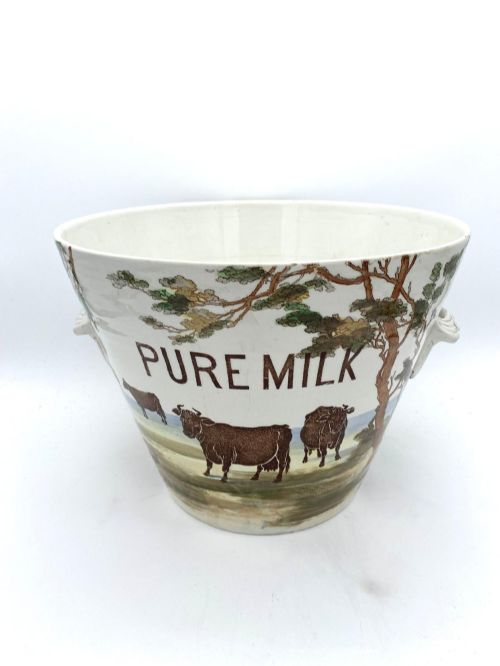
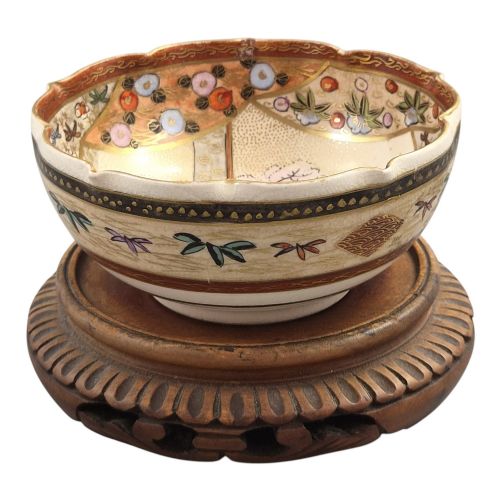
Cream glazed bowls encompass a diverse array of utilitarian vessels and decorative tableware, ranging from heavy nineteenth century dairy pails to delicate Japanese Satsuma earthenware. When you search for cream glazed bowls, you encounter pieces that bridge practical domestic use and refined artistic expression across multiple eras and geographies.
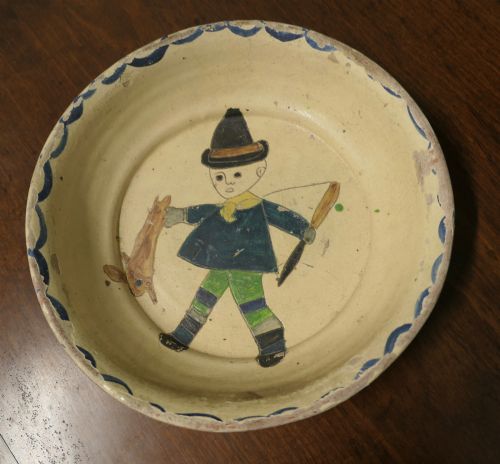
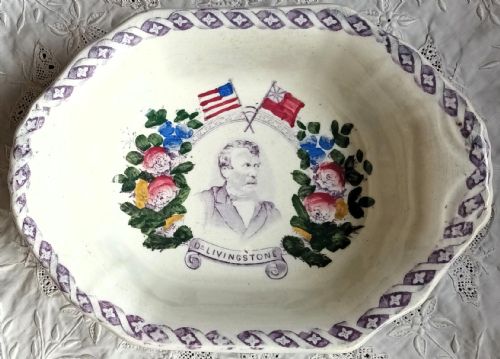
The selection frequently highlights nineteenth century British country pottery alongside Meiji period Japanese craftsmanship and medieval Persian lustreware. Dairy bowls, commemorative dishes, and footed burners demonstrate how utilitarian forms and artistic ceramics share a common heritage of light-toned glazing.
Victorian examples often take the form of heavy earthenware dairy vessels or majolica salad sets, whilst eastern traditions contribute finely painted Satsuma and Kashan works. Each object reflects the specific domestic or ritual requirements of its period, united by the soft palette of cream and earthenware glazes.
Materials and production
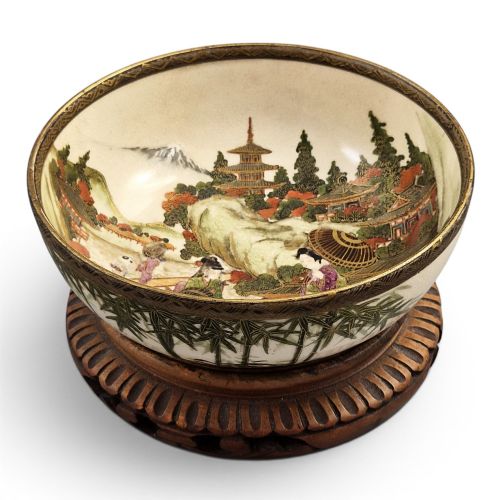
Potters utilised earthenware, terracotta, and stoneware as the primary body materials, applying liquid glazes to seal the porous clay surfaces. Many pieces incorporate enamel and gold leaf decoration over the base glaze, particularly within Japanese Satsuma and Persian traditions.
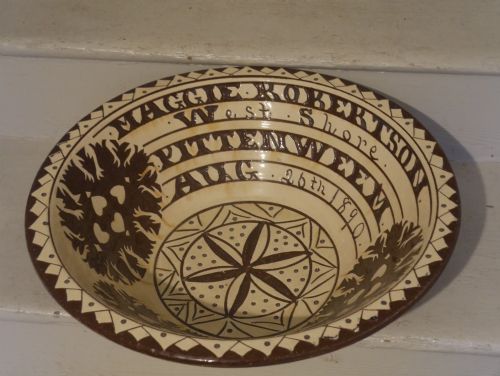
Techniques range from utilitarian slip trailing on nineteenth century country pottery to the sophisticated crackle-glazing and lustre applications seen on Chinese export wares and medieval Islamic bowls. Firing methods dictated the final tone of the glaze, yielding the characteristic cream and off-white finishes across different centuries.
Cream Glazed Bowls Retail Price Guide 2026
Typical asking prices for cream glazed bowls among the pieces listed under this phrase on Sellingantiques today, from the lower quarter to the upper quarter. They describe what is for sale here now, not the wider market.
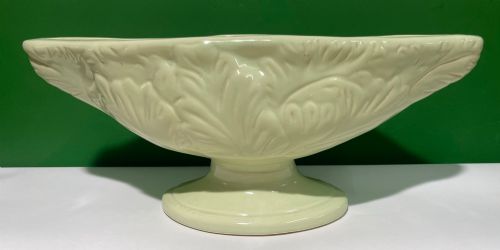
Listings feature cream glazed bowls spanning from pre-sixteenth century Persian examples to twentieth century Art Deco powder bowls.
Judging quality and execution
Quality rests upon the precision of the throwing, the stability of the glaze, and the fineness of any hand-painted or gilt ornamentation. Masterworks display a harmonious balance between the clay body and the surface finish, whereas utilitarian items prioritize robust construction for daily domestic tasks.
Signed pieces by renowned makers or studios command attention through superior control over pictorial detail and enamel placement. The depth of the glaze and the absence of extraneous firing flaws distinguish high-status decorative bowls from standard kitchenware.
Mann And Co·Doulton Lambeth·Royal Dux·Seaton Pottery·Copeland
The Cream Glazed Bowls Glossary
- Earthenware
- Porous pottery fired at relatively low temperatures. It requires a glaze to hold liquids and forms the base of most utilitarian dairy and country bowls.
- Satsuma
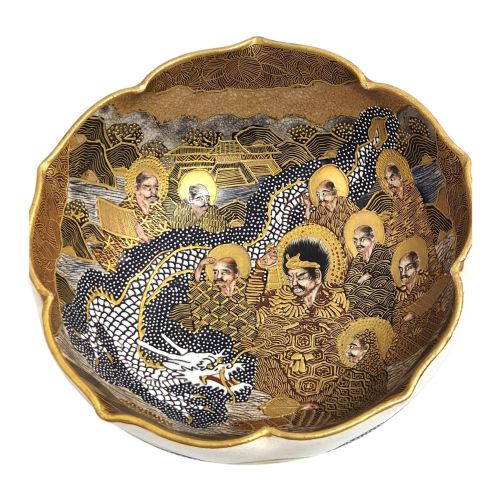
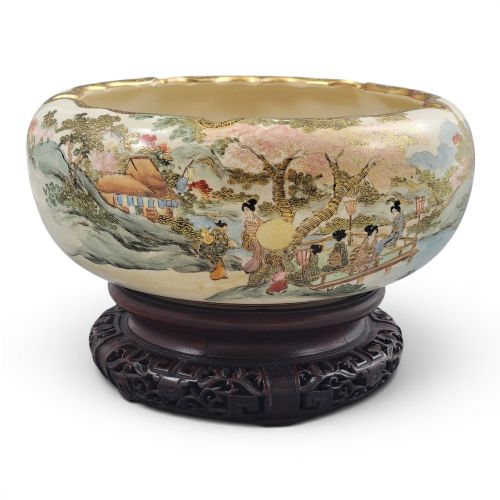
- Japanese pottery originating from Satsuma province featuring a characteristic ivory crackle-glaze. Artisans typically decorate these pieces with elaborate enamel and gold leaf motifs.
- Lustreware
- Pottery decorated with a metallic glaze that produces an iridescent sheen. This technique appears on medieval Persian vessels such as Kashan footed bowls.
- Dairy bowl
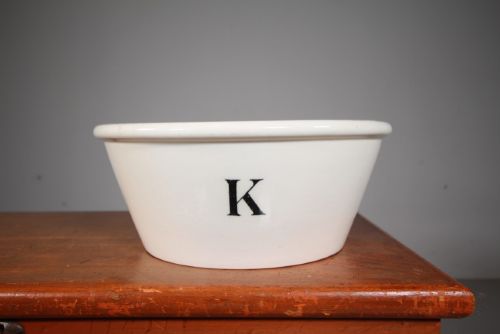
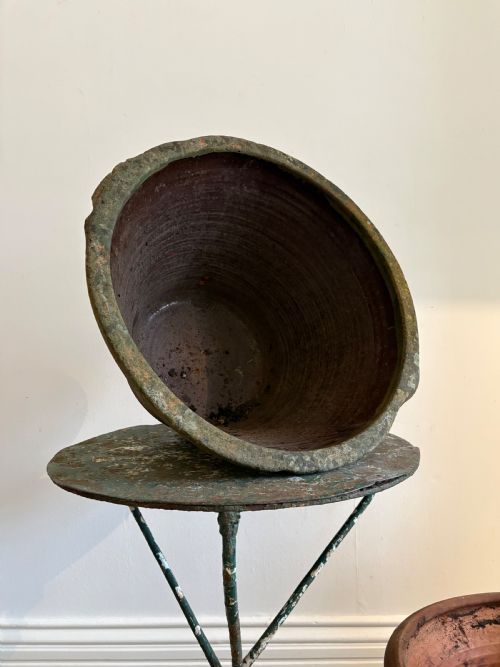
- A wide, shallow vessel traditionally utilised in farmhouses for setting milk and separating cream. Nineteenth century examples often feature heavy earthenware or terracotta construction.
- Majolica
- Heavy earthenware covered with an opaque tin-glaze and brightly coloured enamel pigments. This style gained popularity during the nineteenth century for decorative tableware and salad sets.
Cream Glazed Bowls: Frequently Asked Questions
What were dairy bowls used for?
Dairy bowls served as functional farm vessels designed to hold freshly milked milk, allowing the cream to rise to the top for easy skimming. Their wide, shallow profiles maximised the surface area exposed to the air.
Over time, these heavy earthenware and terracotta pieces transitioned from agricultural workspaces into decorative domestic interiors as collectors appreciated their honest craftsmanship and tactile utility.
How do I identify Satsuma ware?
Satsuma ware is immediately recognised by its fine, creamy earthenware body covered in a distinctive transparent crackled glaze. Artists then layered intricate polychrome enamels and gold leaf across the surface.
Many pieces bear signature stamps from specific Kyoto studios and master makers, distinguishing fine decorative bowls from standard export wares of the period.
What is lustre glazing?
Lustre glazing involves applying metallic compounds to a fired ceramic surface before a specialised reduction firing. This process leaves a thin, shimmering metallic film that catches the light.
Historical examples, such as medieval Persian bowls, display rich brown and copper tones that showcase the advanced chemical knowledge of early ceramists.
How should I display cream glazed bowls?
Cream glazed bowls suit open shelving, sideboards, or dedicated display cabinets where their subtle tones and varied textures can be appreciated. Pairing rustic nineteenth century earthenware with finer Satsuma or Chinese export pieces creates a striking visual contrast.
Ensure that heavier items like dairy pails or terracotta bowls rest on stable, supportive surfaces capable of bearing their substantial weight.