



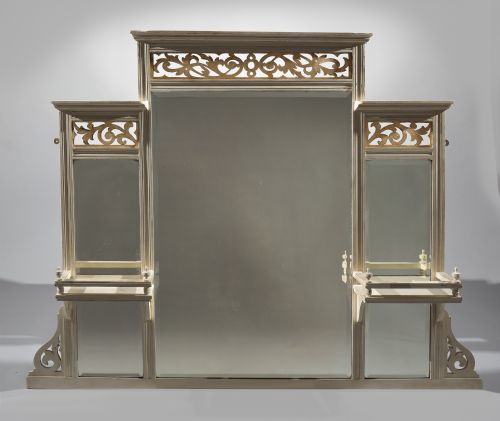


Cream Gilt Wall Panel
These cream gilt wall panel pieces bring period elegance to a room, offering classic French trumeau mirrors, overmantels, and textiles.
Cream Gilt Wall Panel
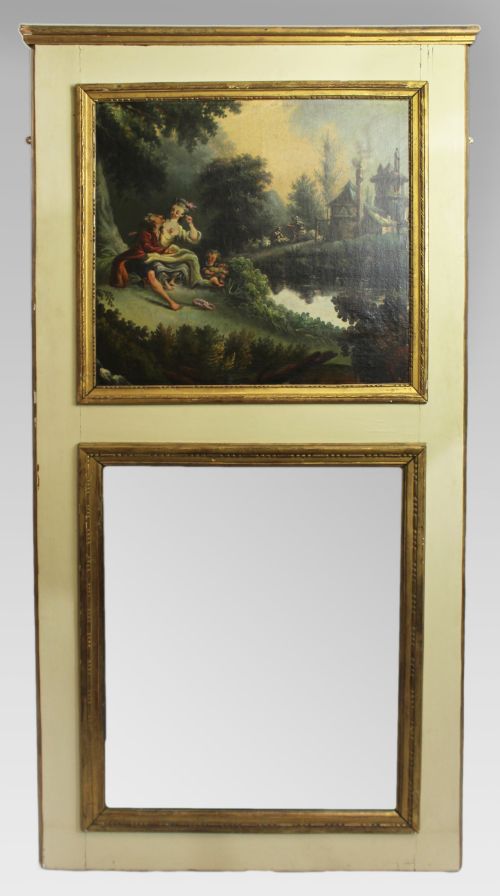
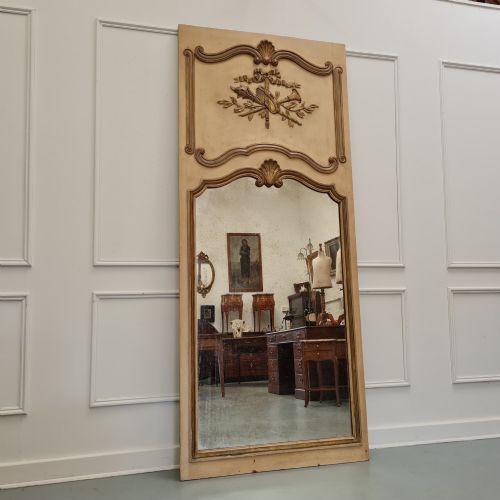
A cream gilt wall panel search uncovers a selection of architectural salvage, mirrors, and framed textile art dating from the Georgian era through to the early twentieth century. Buyers seeking cream gilt wall panel items most frequently encounter nineteenth-century French trumeau mirrors, which combine painted wood frames with gilded details.
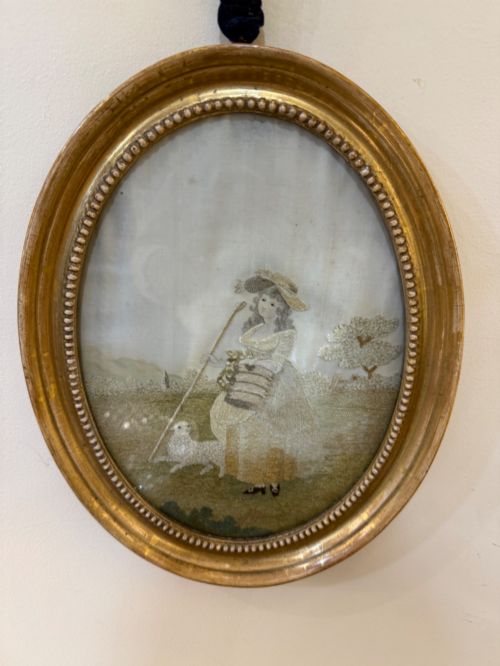
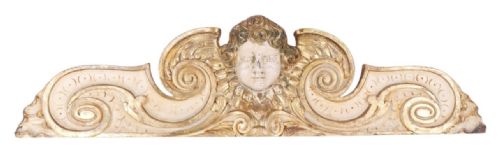
The inventory includes overmantel mirrors alongside architectural elements such as a carved wooden over door featuring a cherub. Textile works also appear within these listings, ranging from a Georgian Berlin silk and a nineteenth-century French lace sampler to early needlework art.
Geographic origins span across French chateau styles, Italian late Victorian pieces, and British Georgian or Victorian aesthetics. These items function primarily as wall decor, incorporating integrated paintings, needlework, or glass plates within painted and parcel-gilt frames.
Materials and construction methods
Wood serves as the foundational material for these panels, mirrors, and over doors, often shaped through carving and finished with paint, gesso, and gold leaf. Artisans applied parcel-gilt techniques to highlight specific carved details against a painted cream background.
Glass is utilised extensively for the mirror plates set within trumeau frames and overmantels. Silk, lace, and needlework textiles appear framed behind glass or mounted as distinct wall pieces, showcasing traditional hand-stitching and fabric artistry.
Materials recorded across the inventory include glass, gold leaf, wood, painted wood, giltwood, gesso, silk, and paint.
Assessing quality in decorative wall panels and mirrors
Quality rests in the finesse of the hand-carved wood elements, such as cherubs or floral motifs, and the crisp application of gold leaf over gesso. Finer pieces display harmonious proportions between the painted wooden panel, the integrated oil painting or textile, and the mirror plate.
The depth and texture of the original paint layers and parcel-gilt surfaces distinguish superior examples from simpler reproductions or heavily restored items. Patina on the glass and textiles adds authenticity, whereas clumsy modern alterations diminish the integrity of the piece.
The Cream Gilt Wall Panel Glossary
- Trumeau
- A decorative wall mirror or panel featuring an oil painting or artwork set into the upper section above the glass plate. These architectural elements originated in eighteenth-century France.
- Giltwood
- Wood that has been thinly coated with gold leaf or gold paint. It provides a luminous finish that reflects candlelight and daylight.
- Parcel-gilt
- A decorative treatment where only specific portions of an object are gilded, leaving the underlying painted wood visible elsewhere. This technique creates contrast.
- Gesso
- A plaster-like mixture applied to wood surfaces to prepare them for gilding or painting. It allows carvers to achieve sharp, detailed relief work.
- Overmantel
- A large mirror or panel designed to hang specifically above a fireplace mantelpiece. They often feature horizontal orientations to match the width of the fireplace.
Cream Gilt Wall Panel: Frequently Asked Questions
What is a trumeau mirror?
A trumeau mirror is a traditional French wall mirror that incorporates a painted wooden panel or an oil painting directly into the upper frame above the glass. These pieces were designed to be mounted permanently on interior walls between windows or above fireplaces.
They bring height and light into a room while serving as a combined piece of art and functional mirror glass.
How do I hang a heavy overmantel mirror?
Heavy overmantel mirrors require secure anchoring directly into wall studs or masonry using appropriate brackets that can support the substantial weight of wood and glass. Professional installation is often recommended to ensure the frame remains stable against the wall.
Positioning them at the correct height above a fireplace or sideboard ensures proper visual balance in the space.
Are textile artworks framed behind glass?
Needlework pictures, lace samplers, and Berlin silks are typically framed behind glass to protect fragile historical fabrics from dust, moisture, and handling. This mounting method preserves the delicate silk and cotton threads over decades.
Keeping them out of direct sunlight prevents the coloured threads from fading.
How do I clean giltwood frames?
Giltwood frames should be dusted very gently with a soft, dry brush or feather duster to remove surface particles without disturbing the delicate gold leaf. Moisture and modern chemical cleaners must be avoided entirely as they strip the historic finish.
Preserving the original surface maintains both the appearance and the character of the antique.