




Cream Framed Watercolour Art
Cream framed watercolour art comprises historic paintings on paper set behind glass within pale wooden or gilded surrounds, offering collectors a delicate window into past centuries.
Cream Framed Watercolour Art
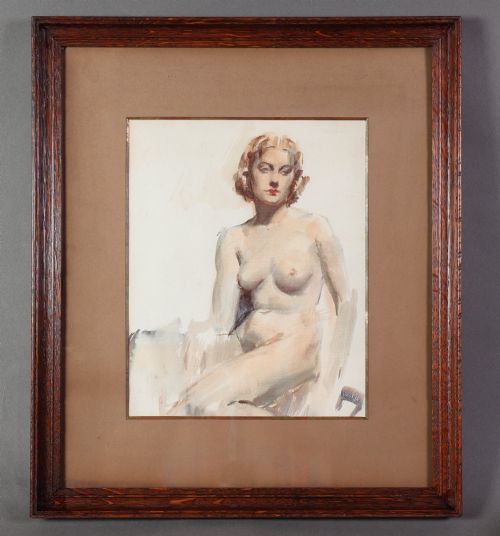
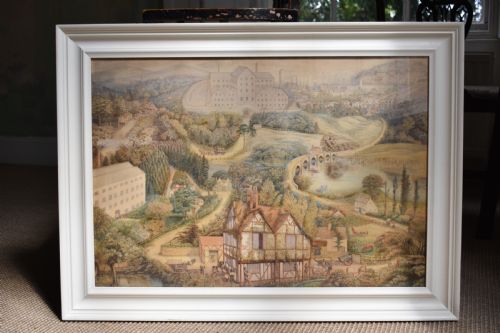
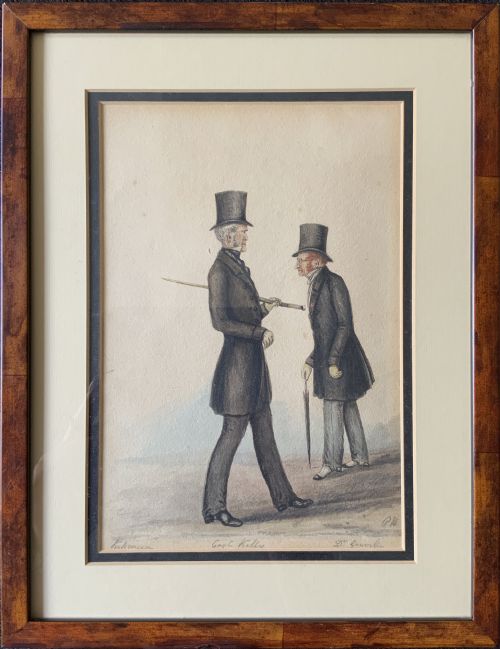
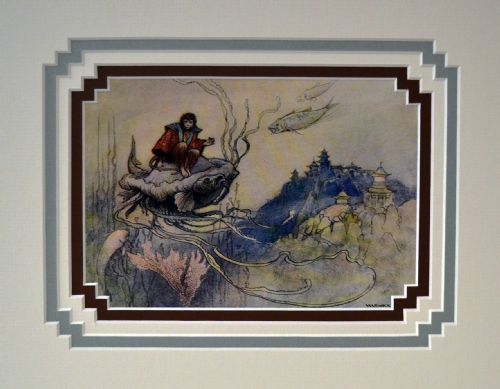
Cream framed watercolour art encompasses original paintings and illustrations created across the nineteenth and twentieth centuries. These works frequently depict landscapes, architectural scenes, and character studies rendered with translucent water-soluble pigments.
The visual presentation typically combines pale wooden or painted mouldings with protective glass and internal mount boards. Such framing choices complement the soft tones characteristic of historic works on paper.
Examples range from early Victorian topographical studies to mid-century British bird paintings and Grand Tour architectural views. Each piece reflects the specific aesthetic concerns of its originating period.
Materials and construction
Artists executed these works using watercolour pigment, ink, and occasionally gouache applied directly to paper supports. The medium relies on water-soluble binders that allow for delicate washes and layered transparencies.
Surviving pieces utilise wood, gilt wood, and mount board to enclose the artwork securely behind glass. This glazing serves to protect fragile pigments from environmental moisture and atmospheric degradation over time.
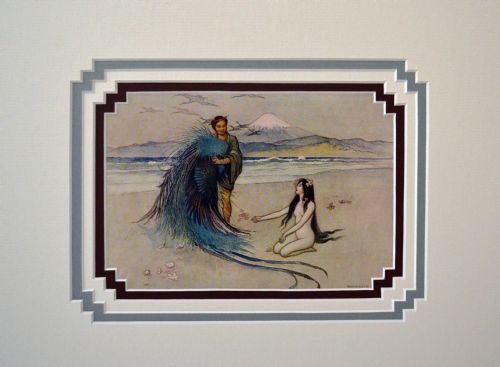
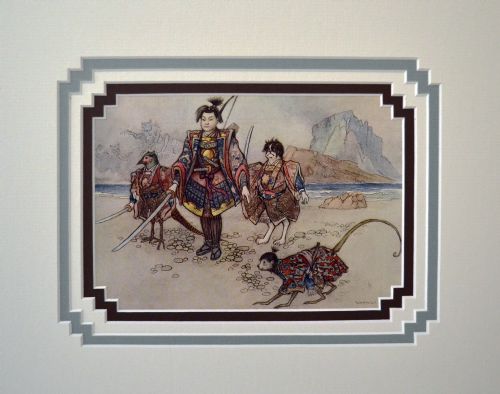
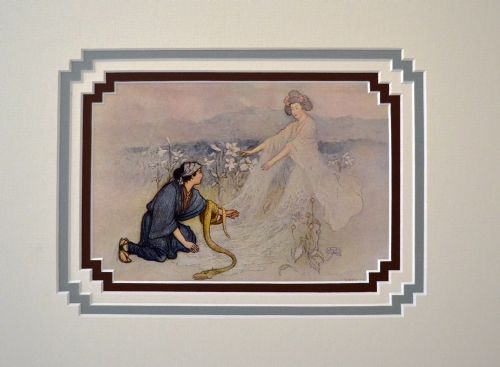
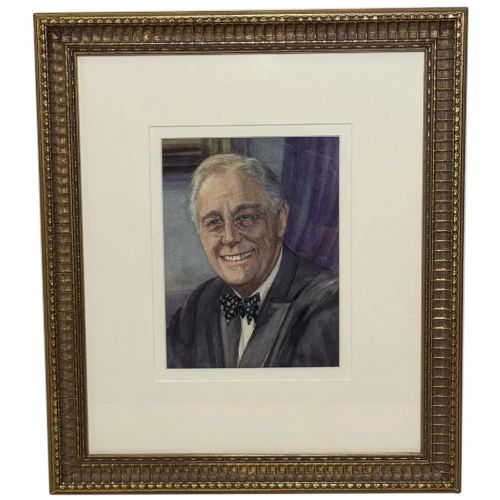
Current listings feature watercolours spanning the Victorian, Edwardian, Regency, and mid-century periods, rendered on paper and housed in wooden or gilt frames.
Evaluating the standard
Quality rests significantly on the precision of the brushwork and the artist's command of light and perspective. Master watercolourists achieve remarkable depth through controlled washes rather than heavy opaque layering.
The preservation of the paper support and the vibrancy of the original pigment heavily influence overall standing. Works that maintain their original tonal balance without extensive fading or foxing represent superior examples of the craft.
Warwick Goble·Oswald Garside·Cornelius Pearson·Alice Anne Renshaw·William Frederick Settle·James Hardy·Charles F Tunnicliffe·Helena Maguire·Stanley Orchart·John Atkinson·Margaret Laing·John McDougal·Mabel Gear·William Russell Flint·Takashi Nakayama·Henry Wimbush·Karl Feiertag·Belisario Gioja·Alfred Rimmer·Paul-Louis Barruel
The Cream Framed Watercolour Art Glossary
- Watercolour pigment
- Finely ground colour particles suspended in a water-soluble binder, traditionally gum arabic. This substance allows artists to achieve translucent effects on paper.
- Mount board
- Heavy paperboard placed inside the frame around the perimeter of the artwork. It creates a physical barrier that prevents the delicate painted surface from touching the glass.
- Gilt wood
- Timber framing finished with a thin layer of gold leaf or metallic gilt paint. This traditional finish adds a reflective border that enhances warmer tones within the artwork.
- Grand Tour
- A cultural journey undertaken by wealthy young Europeans during the eighteenth and nineteenth centuries. Travellers frequently commissioned local artists to record classical architecture and scenic views.
- Gouache
- An opaque water-based paint composed of pigment, water, and an inert white filler such as chalk. Artists often combined this medium with transparent watercolour to add solid highlights.
Cream Framed Watercolour Art: Frequently Asked Questions
Where is the best place to hang these paintings?
Select an interior wall that receives indirect lighting rather than harsh, direct sunshine. Ultraviolet rays from intense light sources will cause watercolour pigments to fade and the paper support to yellow permanently.
Avoid damp environments such as unventilated kitchens or humid bathrooms. Stable indoor temperatures protect both the wooden frames and the delicate organic materials used in historic works on paper.
How do I identify the period of the artwork?
Examine the stylistic conventions, subject matter, and materials used in the composition. Victorian pieces often favour detailed topographical landscapes or sentimental animal portraits, while later twentieth-century works lean towards impressionistic or illustrative styles.
Look closely at the backing materials, framing construction, and any visible artist signatures or dates. Secondary inscriptions on the reverse of the frame or mount board frequently provide helpful historical context.
Can I replace the original frame?
Preserving the period frame is generally recommended because it forms an integral part of the piece's history and aesthetic presentation. Many antique frames were custom-made to complement the specific dimensions and tonal qualities of the artwork.
Consult a professional conservator if structural repairs to the wood or gilt are strictly necessary. Altering or replacing historic surrounds can diminish the overall integrity and character of the framed watercolour.