

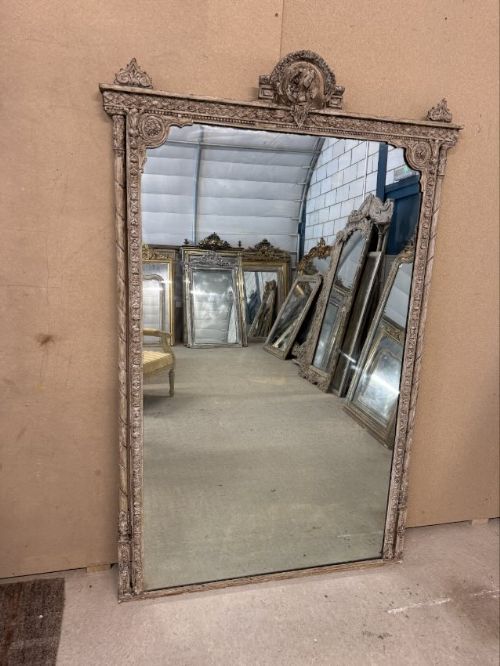
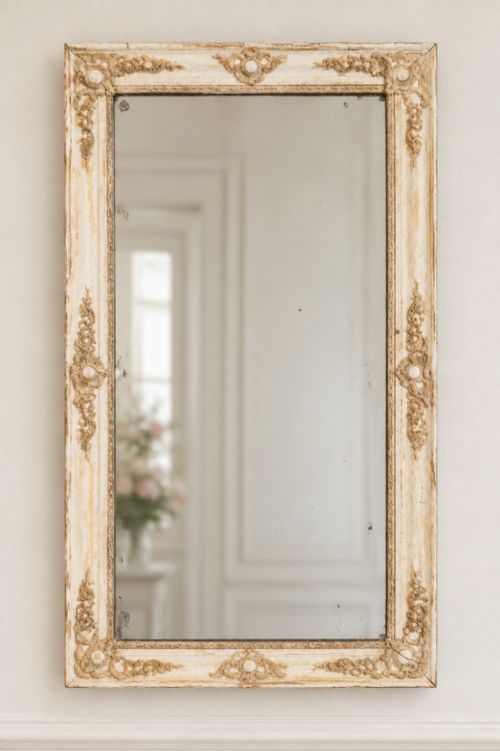
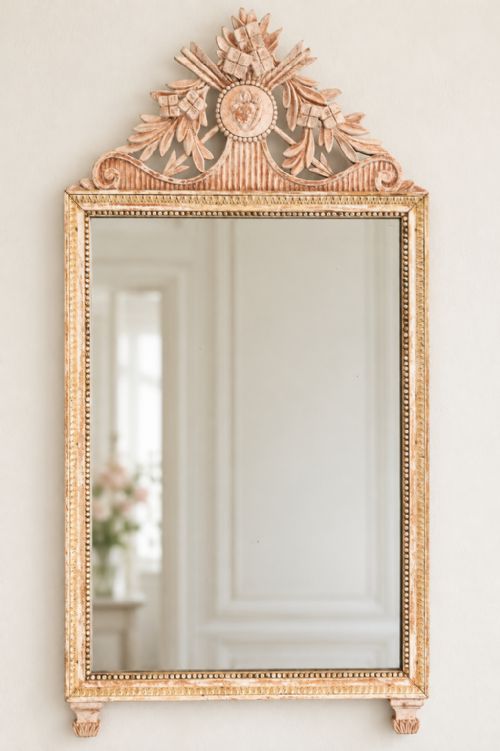
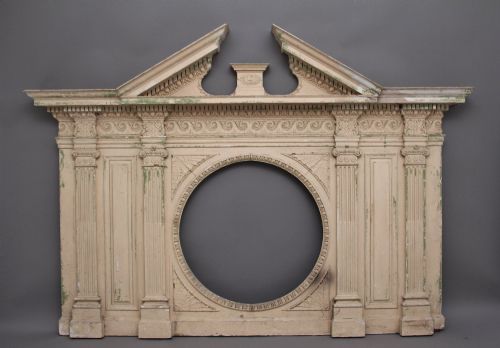


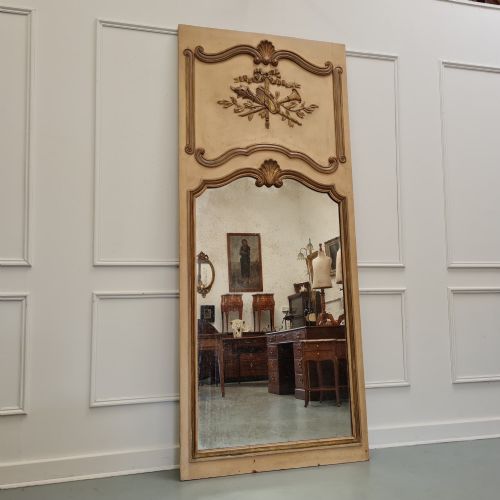


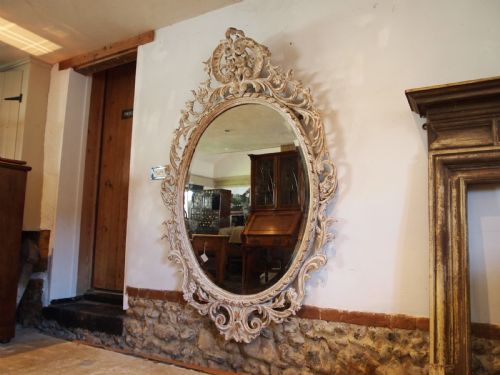
Cream Carved Wood Mirror
A cream carved wood mirror brings lightness and period character to a room, reflecting light while offering sculptural wooden detail.
Cream Carved Wood Mirror
A cream carved wood mirror unites decorative woodwork with a pale painted finish, serving as a functional wall piece or an architectural focal point. These items appear frequently in French and English variants spanning the eighteenth, nineteenth, and early twentieth centuries.
Buyers encounter grand overmantel designs meant for placement above a fireplace alongside tall pier mirrors designed for spaces between windows. Wall-mounted rectangular, arched, and oval formats dominate the selection across various domestic settings.
Origins trace across English workshops and continental centres including France and Italy, bringing styles ranging from restrained Georgian proportions to ornate Rococo Revival flourishes.
Evaluating craftsmanship and condition
Quality rests in the crispness and depth of the hand-carved wooden details and the integrity of the underlying gesso moulding. Superior examples retain their original mirrored glass and early painted surfaces without modern repainting obscuring the carved definition.
Proportion and structural balance dictate the desirability of larger formats like overmantels and trumeau frames. Pieces maintaining original backboards, gilding highlights, and mounting hardware command stronger interest among collectors.
Cream Carved Wood Mirror Retail Price Guide 2026
Typical asking prices for cream carved wood mirror among the pieces listed under this phrase on Sellingantiques today, from the lower quarter to the upper quarter. They describe what is for sale here now, not the wider market.
Listings feature items spanning the 18th Century through the Edwardian period, utilising wood, gesso, paint, gold leaf, and mirror glass.
The Cream Carved Wood Mirror Glossary
- Gesso
- A mixture of plaster of Paris and glue used to coat wooden frames before carving or gilding. This substance creates a smooth, absorbent ground that holds intricate relief details.
- Trumeau mirror
- A decorative wall mirror incorporating a painted panel or artwork above the glass. These tall pieces were traditionally built to hang between windows.
- Louis Philippe mirror
- A nineteenth-century French mirror style defined by a gently rounded upper corners and a simple, elegant frame. They often feature subtle beaded or ribbed moulding.
- Overmantel mirror
- A large horizontal mirror designed specifically to hang on the wall above a fireplace mantel. These frames frequently echo the architectural style of the room.
- Parcel gilt
- A surface treatment where only specific raised details of a carved frame receive gold leaf. The remaining areas display a painted cream or wood finish.
- Pier glass
- A tall mirror constructed to fit the narrow wall space between two windows. They often sit above matching console tables or small stands.
Cream Carved Wood Mirror: Frequently Asked Questions
Where should I hang a large overmantel mirror?
These horizontal frames mount securely on the wall directly above a fireplace mantel to anchor the room's main living space. They reflect ambient light and visually expand the proportions of the interior.
Ensure the wall fixings engage directly with structural studs or masonry to support the substantial weight of carved wood and glass.
How do I identify a nineteenth century French mirror?
French nineteenth-century frames often display characteristic Louis Philippe arched tops, intricate gesso floral motifs, and original cream paint layered over gilt highlights. Closer inspection of the backboards and fixings reveals period construction methods.
Many of these pieces also feature original mercury glass plates showing age-related foxing and minor oxidation.
Are the mirror plates original?
Surviving antique mirrors frequently retain their original glass, which can be identified by slight surface imperfections, handmade waviness, and dark spots known as foxing. Replacement glass typically appears much clearer and lacks these historic traits.
Original plates contribute significantly to the authenticity and character of period frames.
How do I care for antique painted wood?
Dust the carved frame gently with a soft, dry cloth and avoid applying liquid cleaning products directly to the painted or gilded surfaces. Moisture can damage fragile gesso and accelerate the deterioration of historic finishes.
Keep the mirror away from direct sunlight and damp environments to protect the wood and underlying preparation layers.