




Cream Accent Table
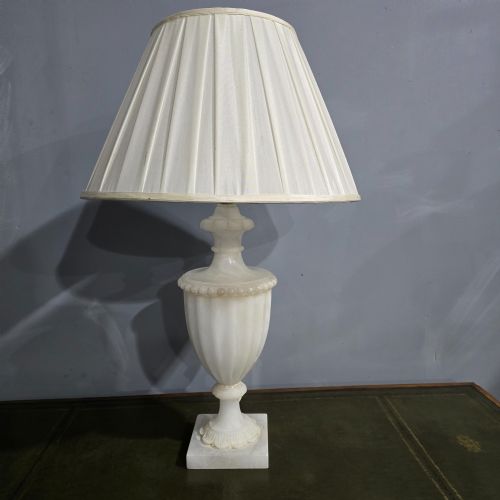
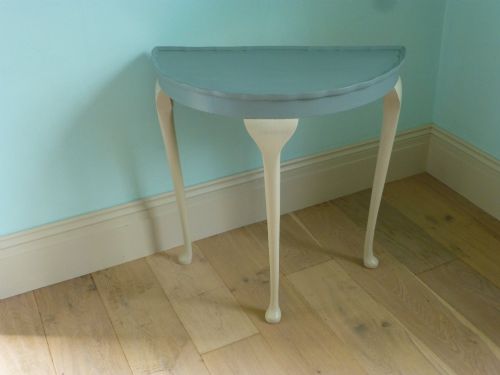
A cream accent table brings quiet structure and a pale surface to a room, functioning as a practical perch for lamps or small objects.
Cream Accent Table
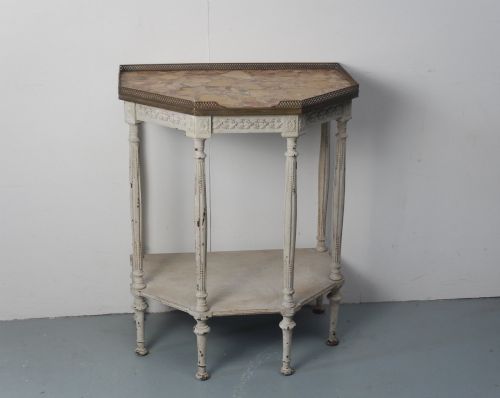
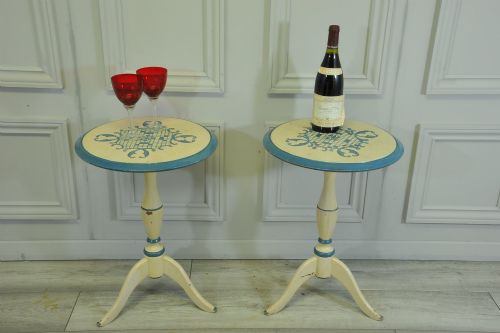
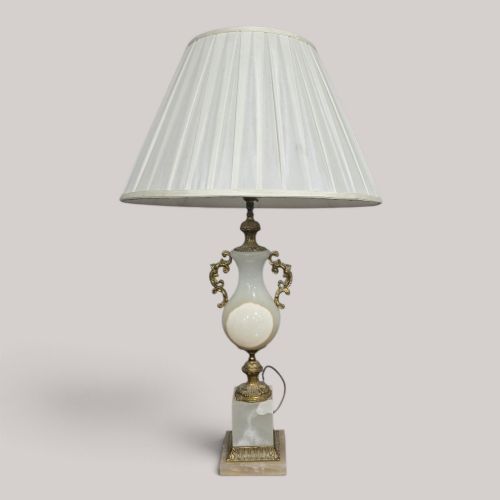
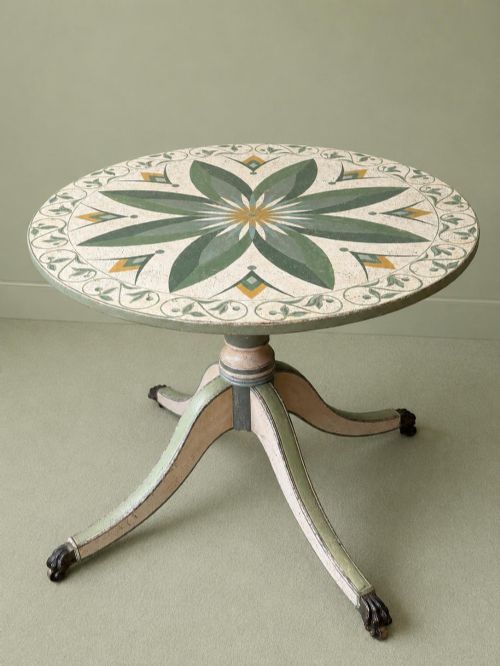
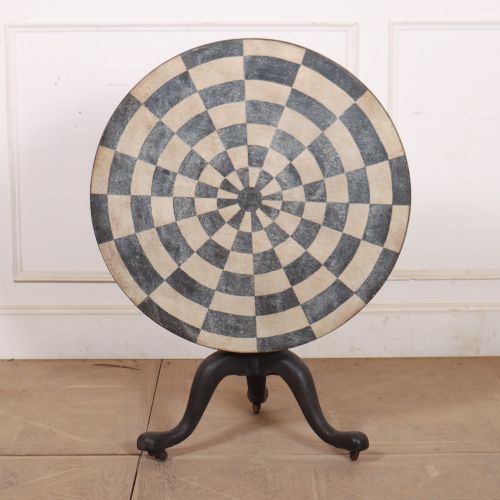
When searching for a cream accent table, buyers encounter a mix of occasional furniture and lighting supports, predominantly taking the form of side tables, lamp tables, and occasional tables.
The selection spans several centuries and regional origins, including French, Italian, Spanish, and English pieces, ranging from the eighteenth century through the Victorian era and into the Art Deco period.
Beyond standard side tables, the category encompasses related forms such as console tables, plant stands, and occasional pieces that share a pale or painted finish.
How they were made
Construction relies heavily on traditional timber and wood, including walnut, fruitwood, mahogany, and general painted wood, often shaped into serpentine fronts, tripod bases, and tilt tops.
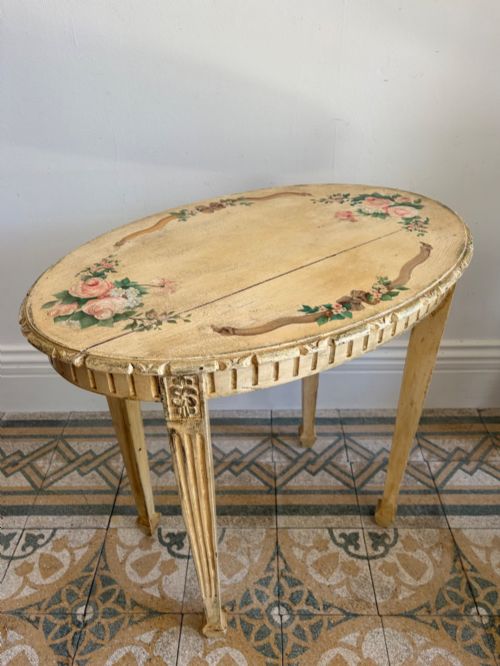
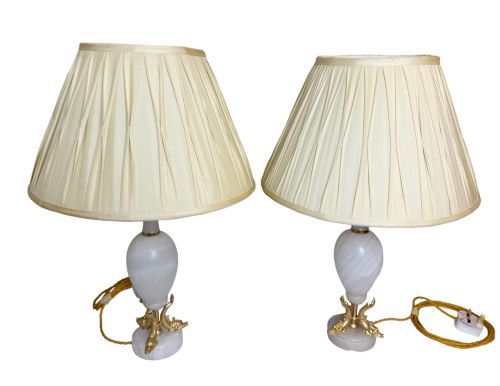
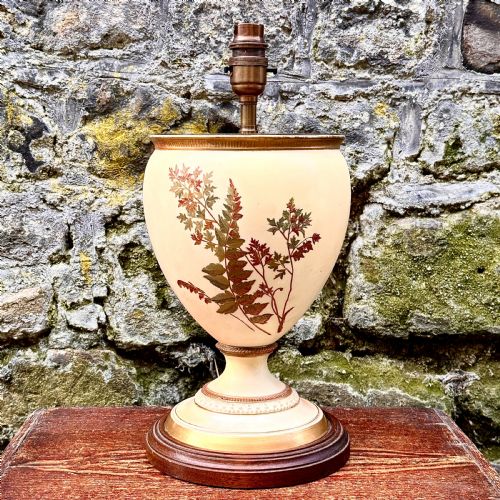
Surface treatment defines the aesthetic, featuring hand-painted finishes, parcel gilt detailing, and marble or alabaster integration, sometimes paired with brass, bronze, or ormolu mounts.
Cream Accent Table Retail Price Guide 2026
Typical asking prices for cream accent table among the pieces listed under this phrase on Sellingantiques today, from the lower quarter to the upper quarter. They describe what is for sale here now, not the wider market.
Among the pale occasional tables and lamps, an unexpected porcelain owl keeps a silent, watchful vigil over the room.
What varies in quality
Quality rests in the harmony of the materials and the execution of the painted or gilt surface, where depth of finish and deliberate proportion distinguish finer pieces from simpler examples.
The integration of secondary elements, such as bronze mounts, marble tops, or carved details, determines the overall refinement of the piece.
Royal Worcester·Ernst Bohne & Sohn·Hille
The Cream Accent Table Glossary
- Occasional table
- A small, movable table designed for a specific, intermittent use rather than central placement in a room. These pieces provide convenient surfaces for lamps, books, or decorative objects.
- Console table
- A table designed to stand flat against a wall, frequently supported by brackets or legs. They often serve in hallways or reception spaces to display decorative items.
- Tripod table
- A small circular table supported by a pillar resting on three legs. This construction allows the table to stand stable on uneven historical flooring.
- Ormolu
- Finely ground high-carat gold-copper mercury gilding applied to an object of bronze. This technique creates a rich metallic sheen common in nineteenth-century decorative pieces.
Cream Accent Table: Frequently Asked Questions
Where should I place a cream accent table?
These tables find natural placement beside seating arrangements or along hallways where a compact surface is useful.
Their pale finishes allow them to sit comfortably against various wall colours without dominating the floor space.
How do I identify a Victorian piece?
Victorian examples often display heavier timber construction, such as walnut, alongside characteristic turnings or tilt-top mechanisms.
Stylistic cues draw from historical revivals like Rococo or Sheraton, showing robust craftsmanship typical of the nineteenth century.
Are painted finishes original?
Painted surfaces vary between period applications and later decorative updates applied to older wooden frames.
Examining the wear patterns and the underlying timber helps determine the age of the paint layer relative to the structure.
What is the difference between a side table and a lamp table?
Lamp tables are typically built with surfaces specifically proportioned to hold lighting fixtures and their associated cords.
Side tables offer broader utility for holding books, drinks, or decorative objects within a room.