


Craftsman Style Table
A craftsman style table brings solid oak construction and honest joinery into a room, offering both practical surface space and enduring utility.
Craftsman Style Table
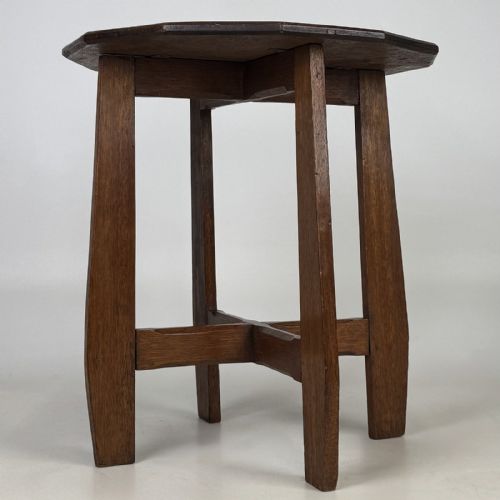
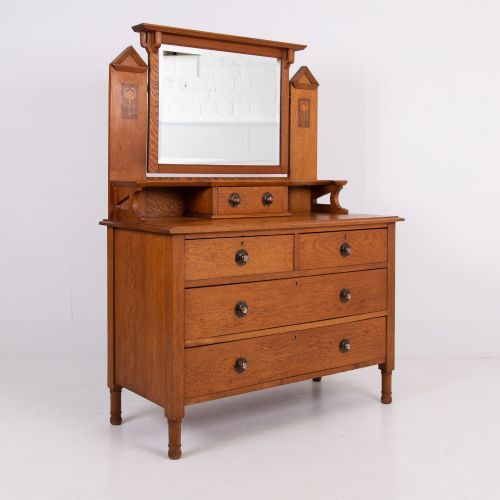
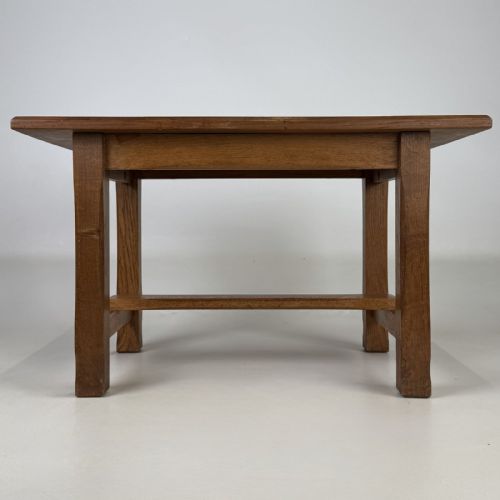
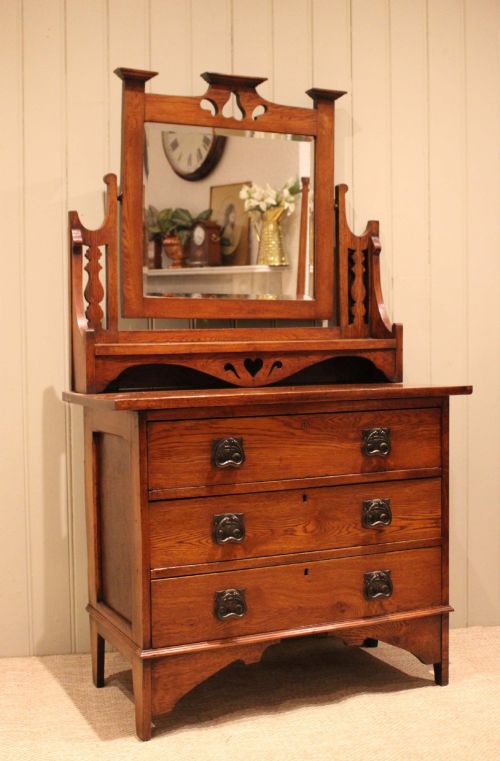
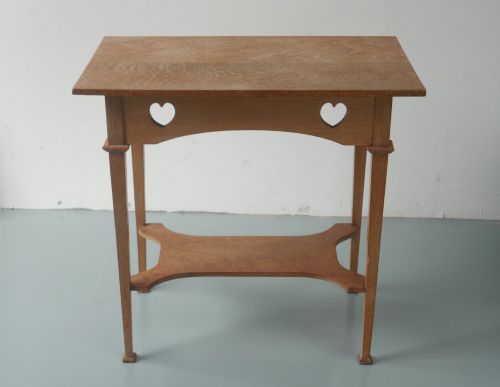
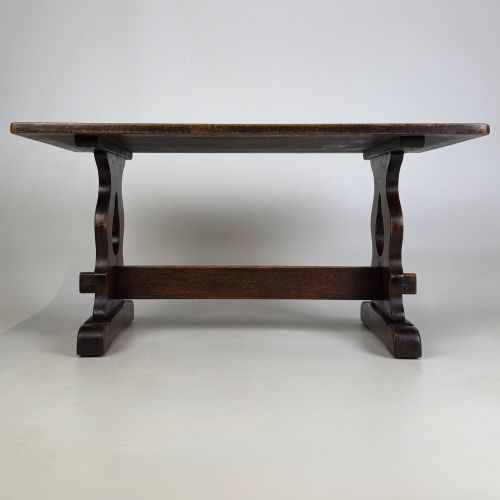
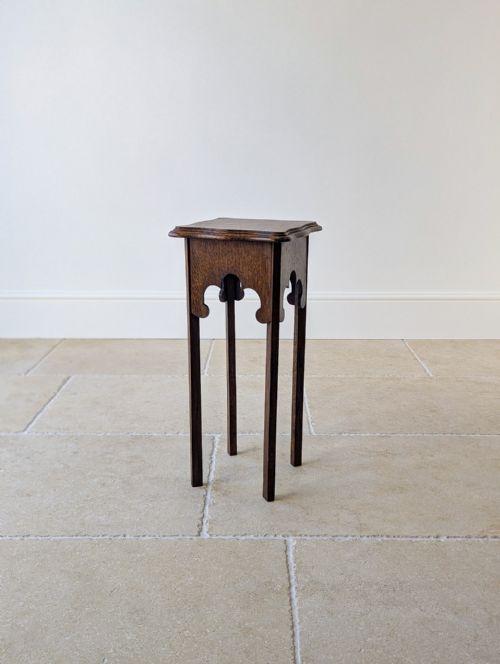
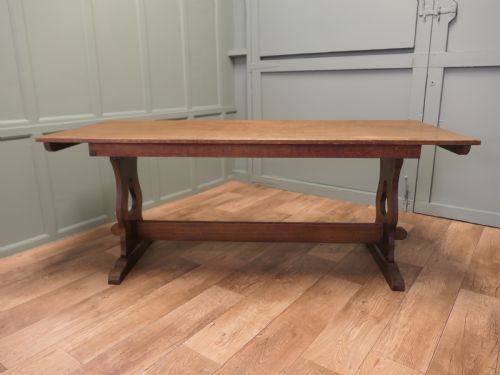
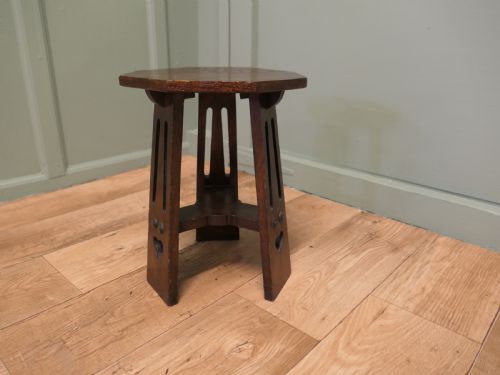
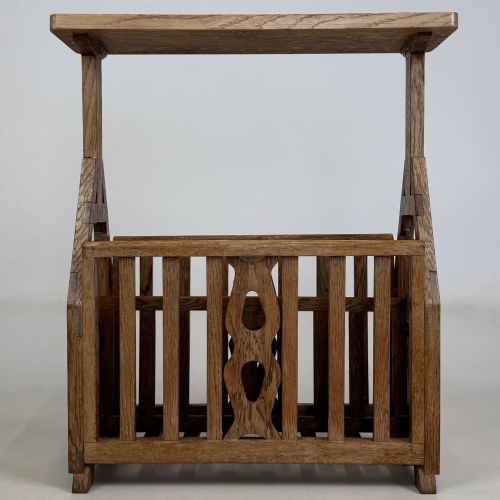
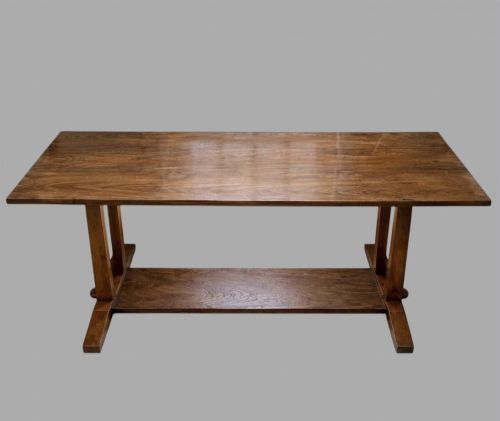
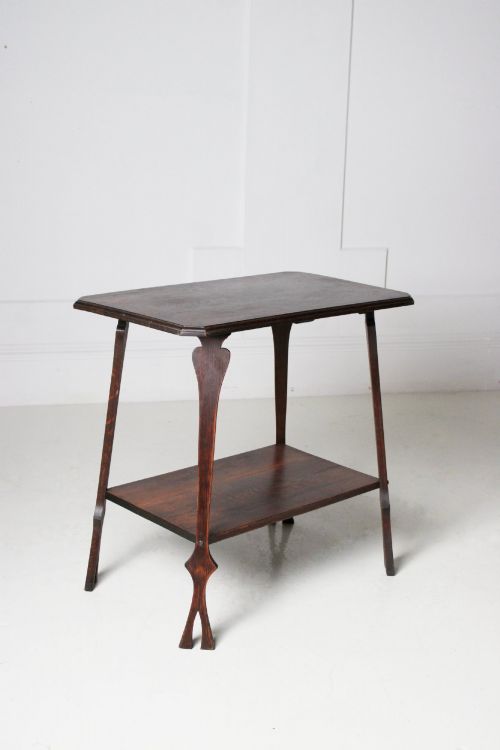
A craftsman style table encompasses various forms rooted in the Arts and Crafts movement, spanning side tables, coffee tables, and refectory dining tables. These pieces emerge predominantly from the late nineteenth century through the early twentieth century, including Edwardian examples.
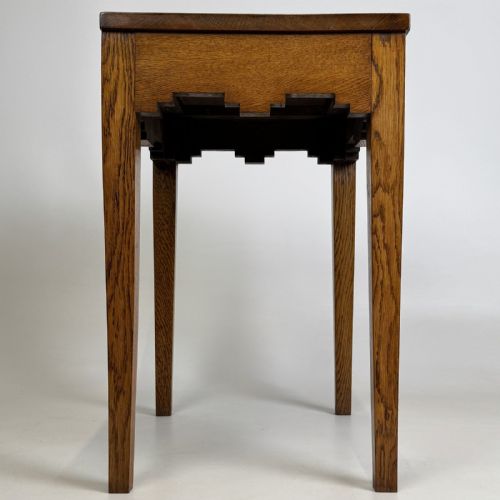
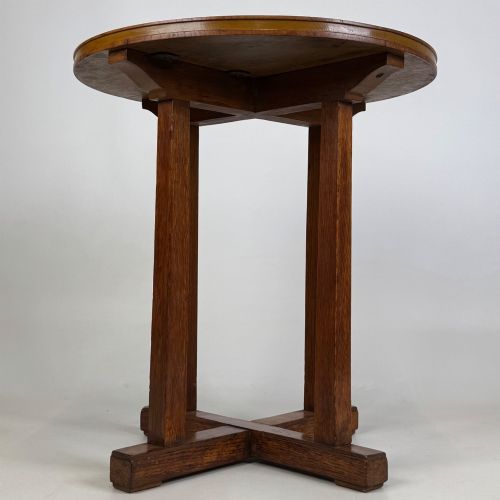
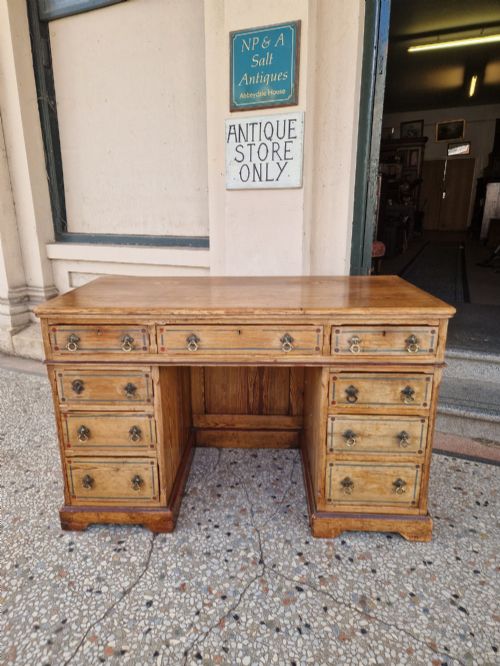
The side table and lamp table appear most frequently on this page, alongside occasional tables, plant stands, and desks. Oak serves as the primary timber, shaping the functional character of these domestic items.
Assessing quality and execution
Superior examples display thoughtful proportions and careful selection of quarter-sawn oak, where medullary rays create distinct figuring across the timber. Simpler utilitarian pieces utilise plain-sawn boards with less visual depth.
The distinction between standard workshop production and attributed or designed pieces rests in the subtlety of the joinery and the restraint of the ornamentation. Refined items integrate metalwork and hardware as structural and aesthetic complements rather than simple additions.
Craftsman Style Table Retail Price Guide 2026
Typical asking prices for craftsman style table among the pieces listed under this phrase on Sellingantiques today, from the lower quarter to the upper quarter. They describe what is for sale here now, not the wider market.
Listings feature oak predominantly across the nineteenth century, Edwardian era, and 1900 to 1920 period.
Baillie Scott·Liberty and Co·George Walton·Sir Robert Lorimer
The Craftsman Style Table Glossary
- Arts and Crafts
- A design movement spanning the late nineteenth and early twentieth centuries that valued traditional craftsmanship, simple forms, and natural materials.
- Refectory table
- A long, narrow dining table traditionally used for communal dining, adapted in this period for domestic interiors.
- Plant stand
- A tall, compact table designed specifically to elevate potted plants or decorative lamps within a room.
- Quarter-sawn oak
- Timber cut radially from the log, producing a durable board marked by characteristic silver fleck patterns known as medullary rays.
Craftsman Style Table: Frequently Asked Questions
How do I identify a true period craftsman table?
Examine the timber selection, joinery methods, and overall proportions of the piece. Authentic examples typically display solid oak construction with honest structural joints rather than applied decorative veneer.
Look for period characteristics such as tapered legs, cross bases, or simple rectangular forms that align with late nineteenth and early twentieth-century production.
Can I use an antique side table for daily use?
Solid oak side tables and lamp tables are built for robust everyday utility. Their durable timber construction handles regular placement of lamps, books, and household items without issue.
Protect the surface from moisture and heat using coasters to preserve the original finish of the wood.
What is the difference between an occasional table and a refectory table?
Occasional tables are smaller, movable pieces intended for specific spot use around a room, such as plant stands, lamp tables, or small side tables. Refectory tables are large, substantial dining tables designed as a central room fixture.
Both forms utilise the same oak materials and straightforward joinery typical of the period style.
How do I care for an oak craftsman table?
Maintain the timber by dusting regularly with a soft, dry cloth and occasionally applying natural beeswax to nourish the grain. Avoid placing the table in direct sunlight or near heat sources to prevent the wood from drying out.
Gentle care preserves the patina developed over a century of domestic use.