



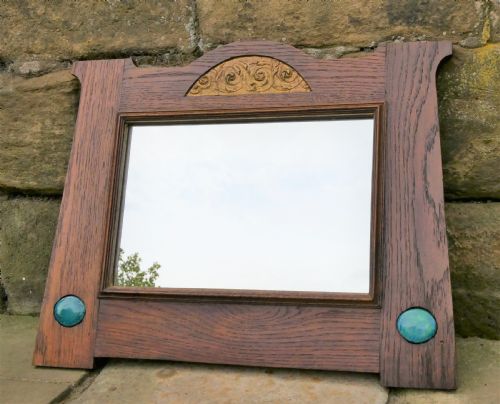


Craftsman Style Mirror
These craftsman style mirror pieces combine honest timber with metalwork details, bringing functional British design straight into a modern hallway.
Craftsman Style Mirror
A craftsman style mirror belongs to the broader Arts and Crafts movement, focusing on utility and handcrafted integrity over mass-produced ornamentation. The pieces seen here span the late nineteenth century through to the Edwardian period, often appearing alongside related oak furniture.
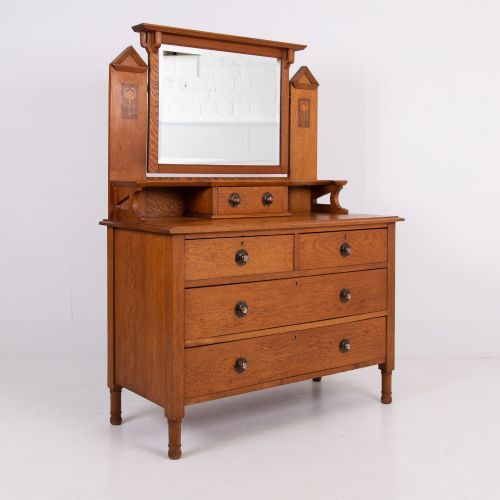
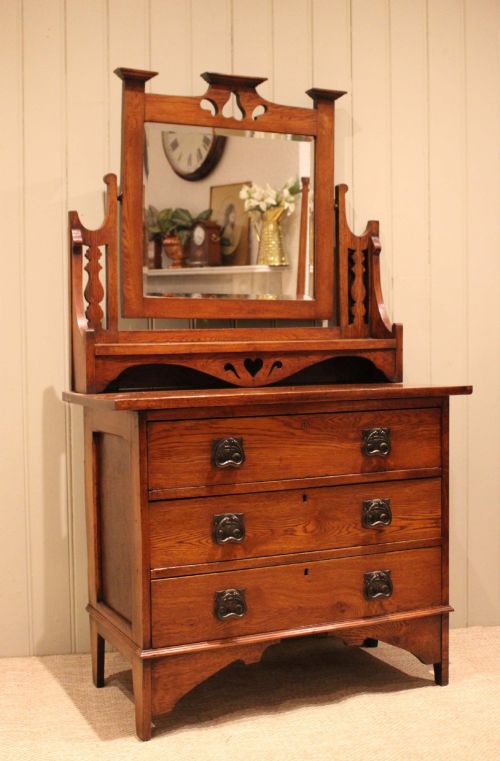
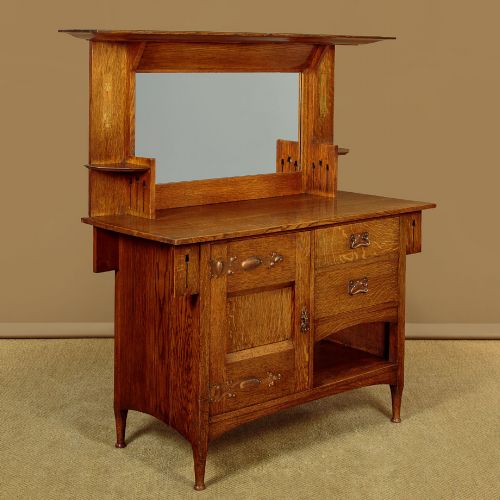
Most examples take the form of wall mirrors or components integrated into larger items such as hall stands and dressing chests. Oak is the primary wood associated with these forms, frequently paired with decorative metal elements.
Buyers will encounter both standalone wall-hung plates and mirrors attached to dressing furniture, reflecting the domestic needs of homes around nineteen hundred.
Materials and construction methods
Makers utilised solid oak as the foundation for frames and furniture, sometimes selecting golden tones or applying wood inlay to enhance the surface. Construction relied on traditional joinery methods that exposed the structure rather than hiding it behind veneer.
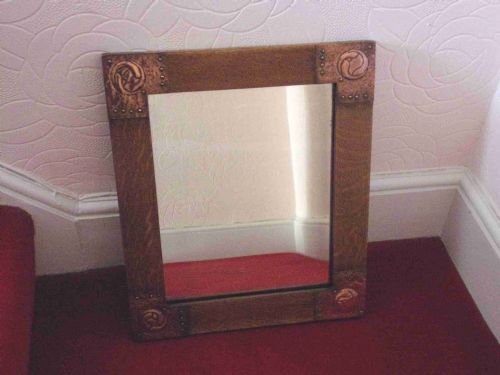
Metal decoration plays a crucial role, featuring hammered copper or brass with motifs such as Celtic knots. These metal components were fastened with visible rivets or screws, celebrating the hand of the maker.
Craftsman Style Mirror Retail Price Guide 2026
Typical asking prices for craftsman style mirror among the pieces listed under this phrase on Sellingantiques today, from the lower quarter to the upper quarter. They describe what is for sale here now, not the wider market.
Current listings demonstrate that oak is the dominant wood used across these designs, frequently accompanied by copper or brass.
Assessing quality in craftsman mirrors
Quality rests upon the harmony between the timber frame and the integrated metalwork, where thoughtful proportions elevate a simple utility object. The depth and character of the hammered copper or brass decoration distinguish standard production from superior examples.
The choice of timber grain and the precision of the joinery determine the lasting presence of the piece, alongside the clarity and preservation of the original glass mirror plate.
George Walton
The Craftsman Style Mirror Glossary
- Arts and Crafts
- A design movement valuing traditional craftsmanship, simple forms, and natural materials over industrial manufacture. It heavily influenced furniture and interior decoration from the late nineteenth century onwards.
- Celtic knot
- An interlaced decorative pattern often worked into metal plaque mounts on frames. It reflects the movement's interest in historical British and Irish art forms.
- Hall stand
- A piece of hall furniture combining coat hooks, umbrella wells, and a central mirror. These items greeted visitors in Edwardian entranceways.
- Dressing chest
- A low chest of drawers fitted with an adjustable mirror on top. They served bedrooms before fitted wardrobes became standard.
Craftsman Style Mirror: Frequently Asked Questions
What defines a craftsman style mirror?
These pieces are characterised by solid oak frames, visible construction methods, and hand-worked metal accents. They draw directly from the principles of the Arts and Crafts movement.
Such items prioritised honest materials and utility, making them distinct from the heavily carved styles of the Victorian era.
Where were these mirrors used?
Mirrors from this period typically hung in hallways, above sideboards, or functioned as part of larger dressing chests and hall stands. They served practical daily grooming needs while decorating domestic spaces.
Their robust construction suited busy household environments like entrance halls and bedrooms.
How do I date a craftsman mirror?
Dating relies on examining the timber, the style of the hardware, and whether the mirror is standalone or part of a larger item like a sideboard. Most pieces date from the late nineteenth century up to nineteen ten.
Characteristics such as hammered copper details and oak construction align closely with Edwardian production methods.
How do I care for oak and copper?
Maintain the timber by keeping it away from direct heat sources and applying appropriate natural waxes sparingly. Avoid harsh chemical cleaners on both the wood and the metal.
Allow copper and brass to retain their natural aged patina rather than polishing them to a bright shine.