






Craftsman Style Furniture
Craftsman style furniture brings solid oak, utility, and honest construction straight into a room.
Craftsman Style Furniture
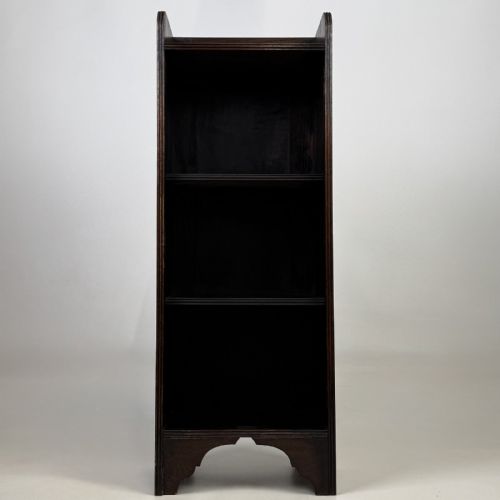
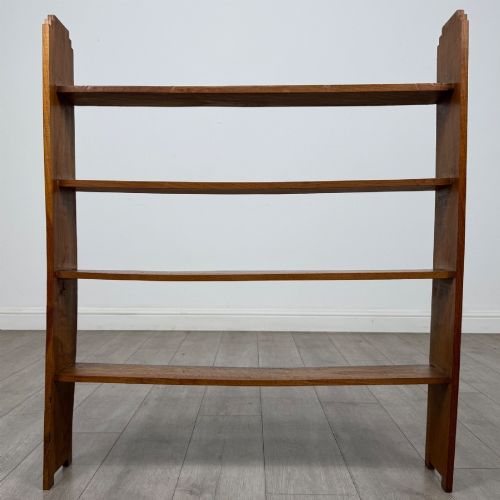
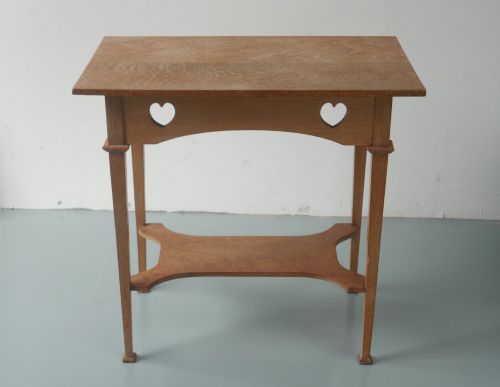
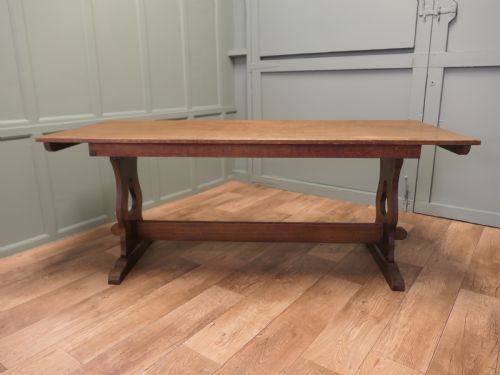
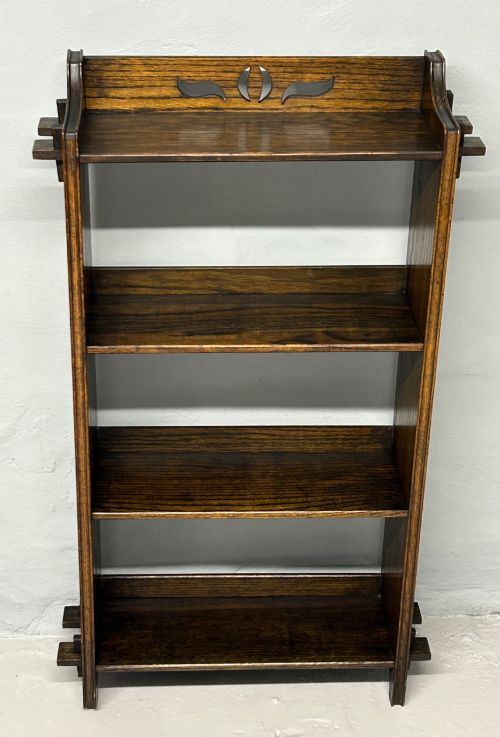
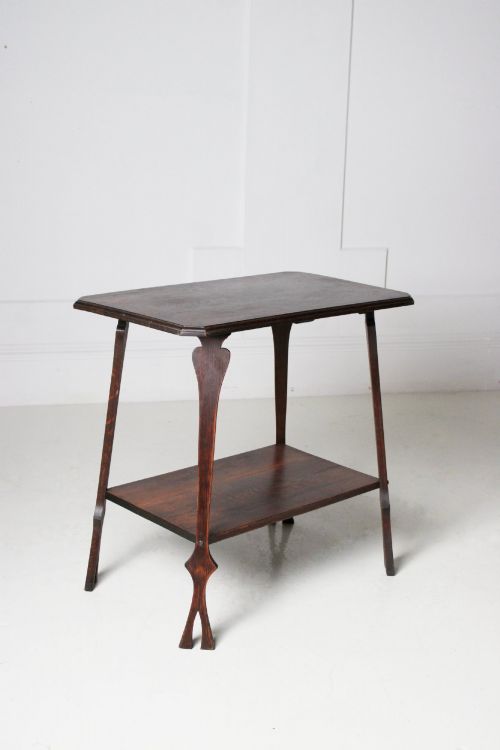
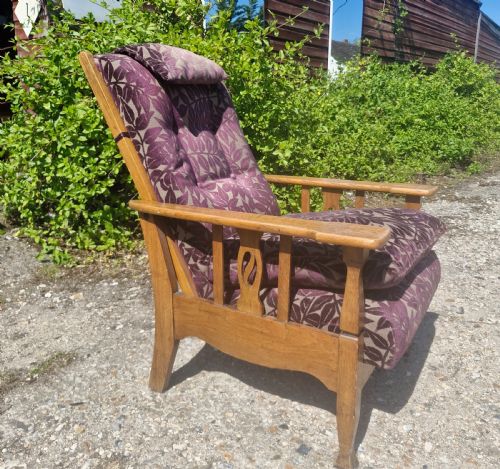
Craftsman style furniture encompasses practical domestic pieces produced during the late nineteenth and early twentieth centuries under the influence of the Arts and Crafts movement. Buyers searching for craftsman style furniture typically encounter sturdy oak items designed for everyday household use, ranging from small side tables and open bookcases to substantial dining tables and sideboards.
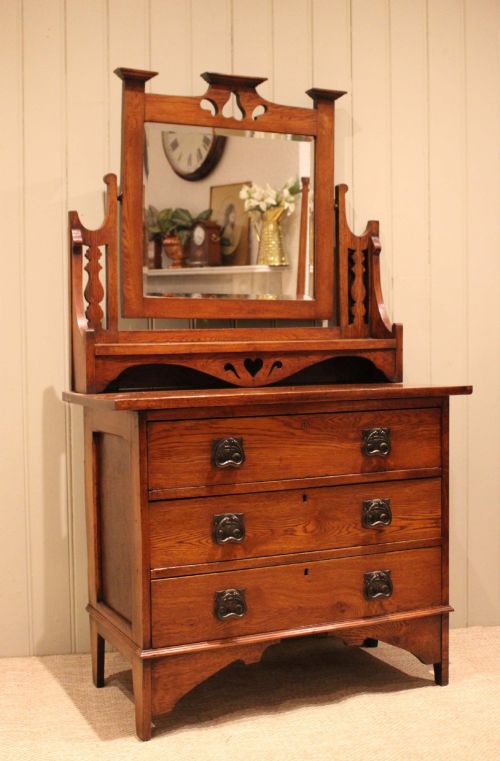
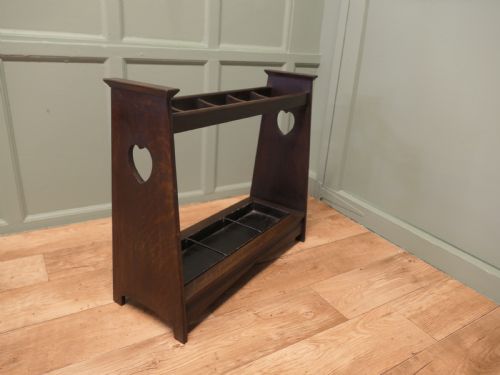
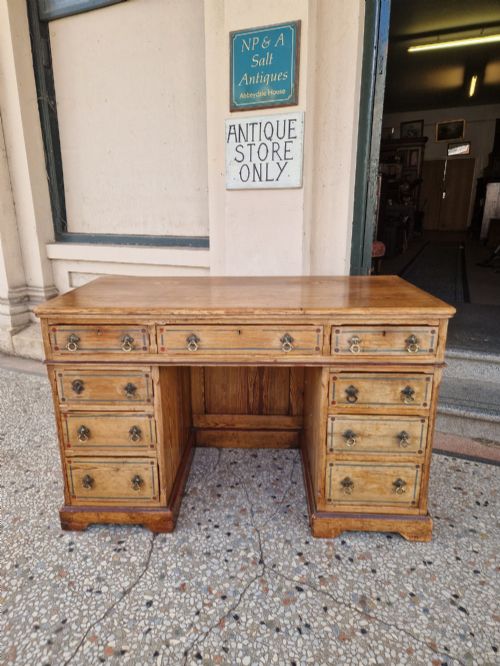
The pieces appearing on this page span several decades from the 1880s through to the 1940s, drawing heavily on Edwardian and turn-of-the-century aesthetics. Common domestic forms include armchairs, umbrella stands, desks, and dressing chests that prioritise straightforward utility over excessive ornamentation.
How they were made
Makers relied primarily on solid timbers such as oak, walnut, pitch pine, and elm, often selecting quarter-sawn oak to showcase natural grain patterns. Metal elements in copper, iron, and brass appear frequently as structural reinforcement or decorative hardware, particularly on tables, dressers, and umbrella stands.
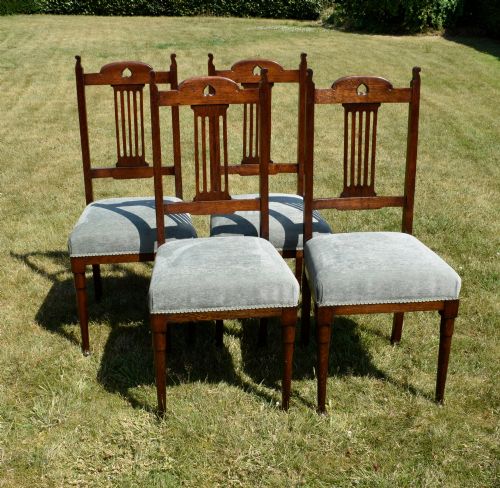
Construction techniques focused on visible joinery and functional durability rather than concealed machine assembly. Fabric and rush seating also feature in chairs, while occasional pieces incorporate specialist surfaces like copper tops.
Craftsman Style Furniture Retail Price Guide 2026
Typical asking prices for craftsman style furniture among the pieces listed under this phrase on Sellingantiques today, from the lower quarter to the upper quarter. They describe what is for sale here now, not the wider market.
A tiny apprentice window seat sits quietly among the full-sized sideboards and refectory tables.
What varies in quality
The distinction between standard domestic output and exceptional workshop production lies in the handling of the timber and the refinement of the joinery. Pieces associated with named designers or prominent retailers often display superior proportion, carefully selected grain, and more considered integration of metalwork details.
Simpler apprentice pieces or utilitarian items show straightforward construction intended strictly for daily utility. The integrity of the original timber and the survival of untouched patination largely determine the standing of each piece.
Liberty & Co.·Edward Barnsley·George Walton·Sir Robert Lorimer
The Craftsman Style Furniture Glossary
- Arts and Crafts
- A design movement spanning the late nineteenth and early twentieth centuries that emphasised handcraftsmanship, traditional materials, and simple utility.
- Refectory table
- A long, narrow dining table traditionally built with solid wooden tops and sturdy stretcher bases.
- Cricket table
- A small, lightweight occasional table typically supported by three legs and frequently topped with timber or metal.
- Apprentice piece
- A smaller item created by a trainee craftsman to demonstrate mastery of joinery and woodworking techniques.
- Rush seat
- A seating surface woven from dried marsh grasses, commonly found on ladder-back chairs of this period.
Craftsman Style Furniture: Frequently Asked Questions
What defines craftsman style furniture?
This furniture is defined by its emphasis on honest construction, visible joinery, and natural timber grains. It reflects the philosophies of the Arts and Crafts movement, avoiding mass-produced ornamentation in favour of solid utility.
Most items utilise oak, walnut, or pine, often complemented by hammered copper or iron hardware. The forms remain straightforward, focusing on practical use in domestic spaces.
How do I identify the period?
Dating relies on observing construction methods, timber choices, and stylistic cues linked to the late nineteenth and early twentieth centuries. Pieces from the 1880s and 1890s often display heavier proportions, while Edwardian and 1910 examples lean towards refined domestic forms.
References to specific design groups or retail houses can also help narrow down the decade of production. Examining the backboards, fixings, and secondary woods provides further clues to the manufacturing date.
Where were these pieces used?
These items were built for everyday domestic environments, including hallways, dining rooms, libraries, and bedrooms. Hall stands and umbrella stands served entryways, while bookcases and sideboards furnished living spaces.
Smaller side tables, desks, and dressing chests catered to private rooms and studies. Their robust construction ensured they could withstand heavy daily use across generations.
How do I care for solid oak furniture?
Maintaining solid timber requires protecting it from extreme fluctuations in temperature and humidity, which can cause wood to split. Regular dusting with a dry cloth keeps the surface clean without stripping the natural wax or polish.
Avoiding direct sunlight preserves the original colour of the oak and prevents fading. Application of a suitable beeswax periodically helps nourish the grain and maintain the patina.