

Countryside Canvas Painting
A countryside canvas painting brings rural pastures, river valleys and farmyards into a room through oil and pigment.
Countryside Canvas Painting
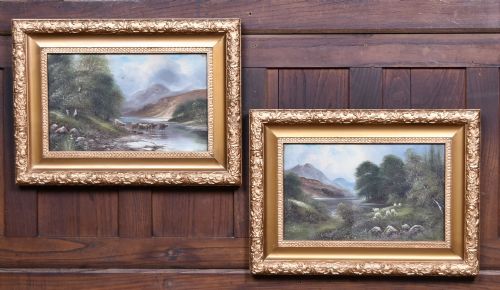
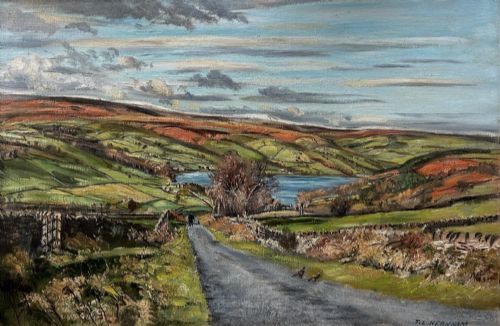
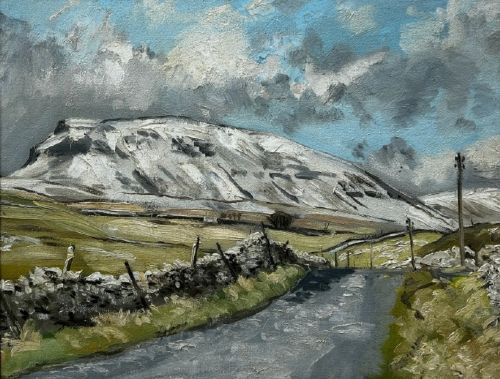
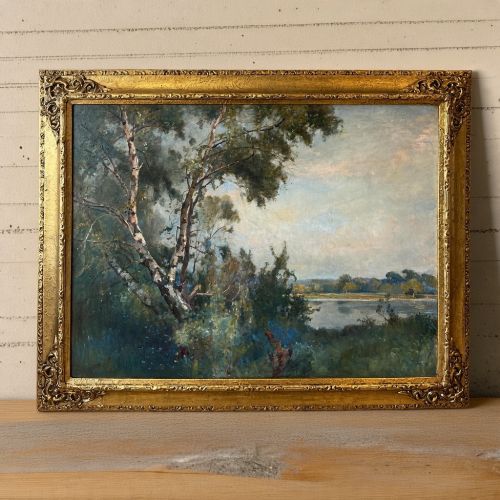
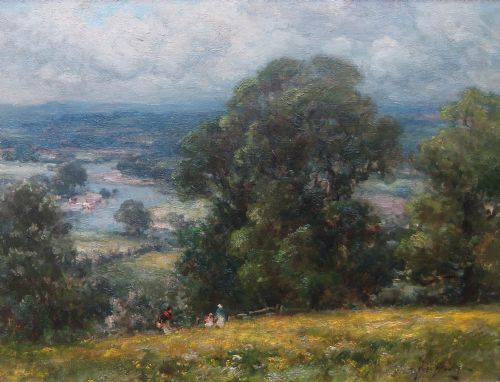
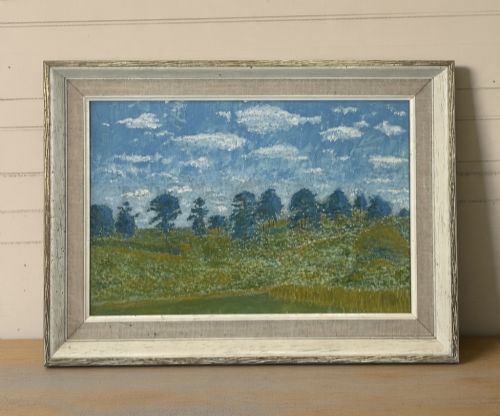
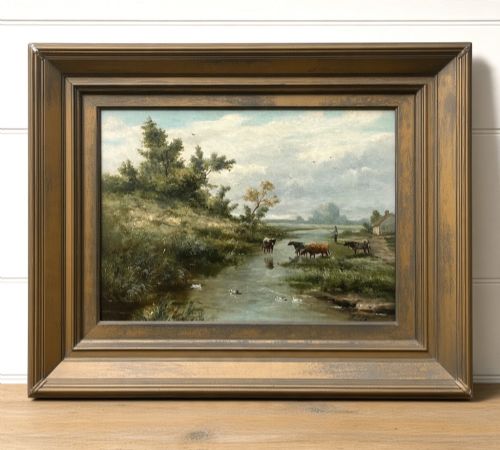
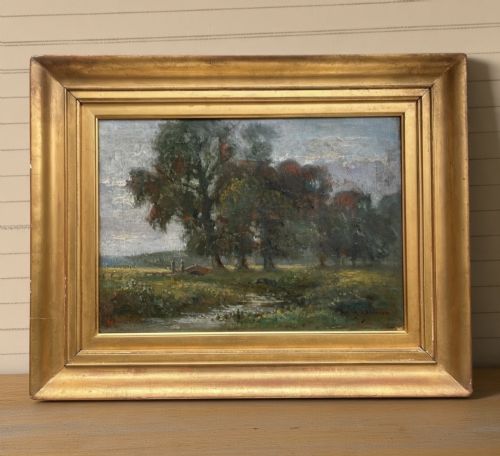
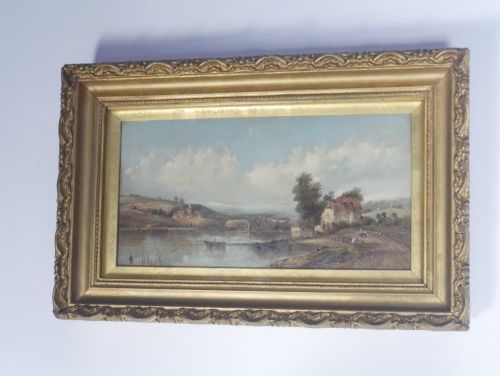
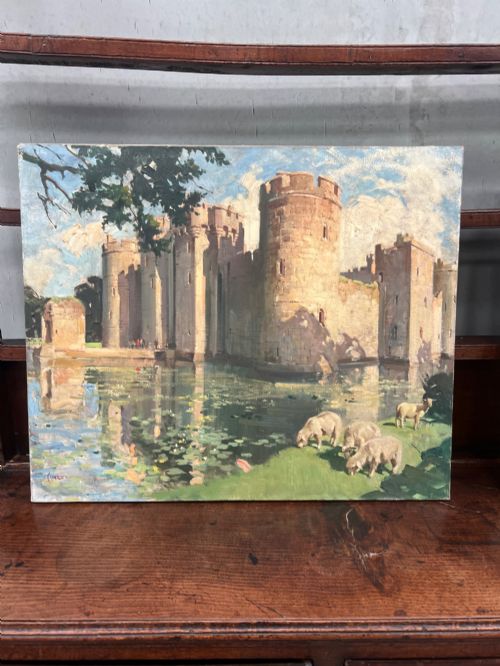
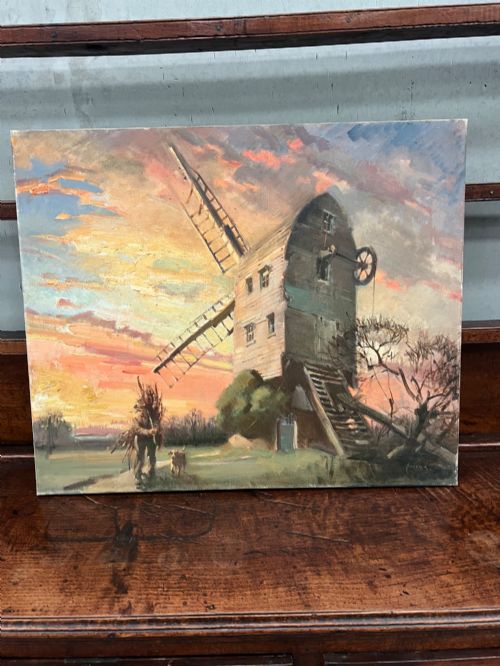
A countryside canvas painting captures rural life, pastoral scenery and natural vistas through oil paint applied to woven fabric. These works range from intimate depictions of livestock and farmyards to expansive views of lakes, rivers and hillsides.
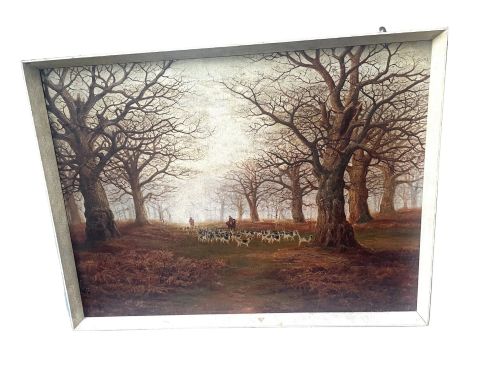
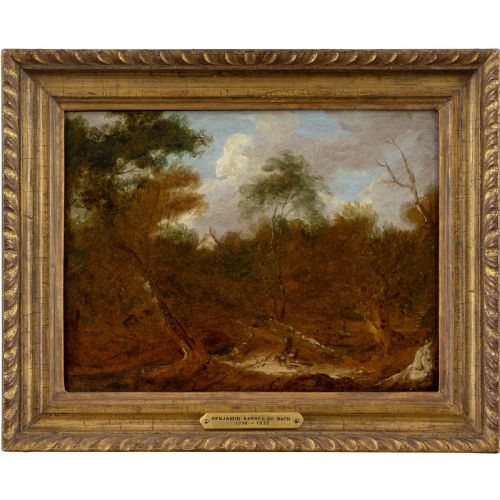
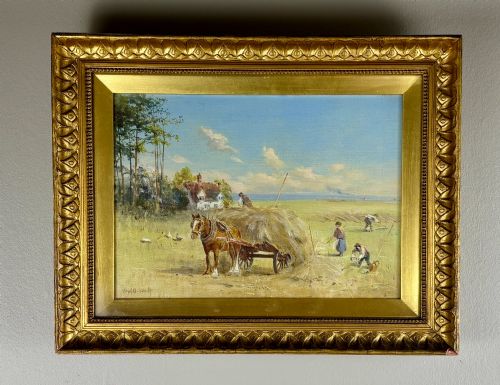
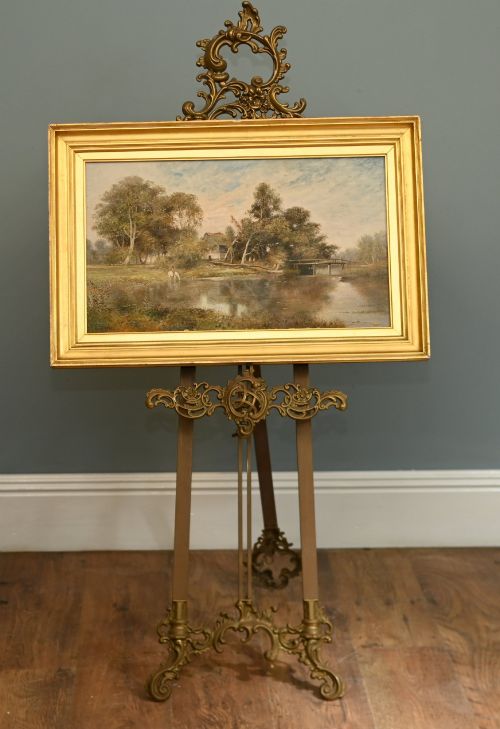
Buyers encountering this selection will most frequently find nineteenth-century and early twentieth-century examples rendered in British and European realist, naturalist or impressionist styles. Many pieces focus on agricultural scenes, woodland paths, riverbanks and cottages.
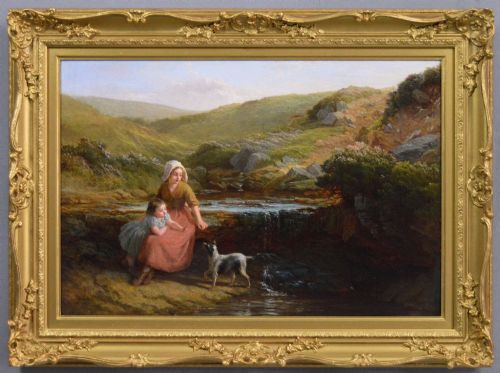
The subjects often record vanished rural routines, from harvesting and cattle droving to women herding animals and figures fishing beneath willow trees. These compositions serve as both historical records of the countryside and decorative focal points.
Materials and Technique
Artists painted these works using oil paint applied to prepared canvas stretched over wooden frames, often housed within gesso and gilt wood frames. The combination of oil medium and canvas allowed painters to build rich textures, delicate light effects and deep atmospheric tones.
Brushwork varies from the tight, detailed precision of Victorian realism to the looser, more expressive strokes of British and French impressionism. Painters layered pigments to capture changing daylight, water reflections and the varied textures of foliage, earth and stone.
Countryside Canvas Painting Retail Price Guide 2026
Typical asking prices for countryside canvas painting among the pieces listed under this phrase on Sellingantiques today, from the lower quarter to the upper quarter. They describe what is for sale here now, not the wider market.
Canvases occasionally reveal wandering livestock, curious dogs and small figures hiding quietly in distant woodland corners.
Factors That Distinguish Quality
Quality in a countryside canvas painting rests upon the artist's command of light, shadow and spatial depth, transforming a simple pasture or river view into a compelling composition. Finer works display confident, purposeful brushwork and a sophisticated handling of atmosphere rather than formulaic repetition.
The integrity of the canvas and the preservation of the original paint layer significantly influence the standing of a piece. Works that retain their original stretcher frames and period gilt wood surrounds without extensive overpainting command greater respect.
William Langley·Samuel Joseph Clark·Edward Holmes·William Manners·E Steele·F Staple·George Armfield·William H Myers·George Graham·Frederick Marriott·Arthur Wardle·Hendrik Willem Schweickhardt·Herbert Royle·Gabriel Mathieu·David Bates·Lucy Pratt·Raymond Booth·Harald Foss·Eric Brown·Henri Ottmann·Richard Redgrave·Ernest Higgins Rigg·Peter Newcombe·Rene Levrel·Vernon DeBeauvoir Ward
The Countryside Canvas Painting Glossary
- Canvas
- A heavy woven fabric, typically linen or cotton, used as a support for oil paintings. It is stretched tightly over a wooden frame before painting.
- Gesso
- A plaster-like mixture applied to wooden frames as a smooth base for gilding and ornamentation. It creates a crisp surface for decorative mouldings.
- Gilt
- A thin layer of gold leaf applied to wood or gesso surfaces to create a decorative metallic finish. It enhances the visual weight of the frame.
- Oil paint
- A slow-drying medium composed of pigments suspended in a drying oil, typically linseed oil. This medium allows for rich blending and textured impasto application.
- Pastoral
- A genre of art depicting rural life and idealized country landscapes, often featuring shepherds, cattle and rustic cottages. It evokes a peaceful, simple connection to nature.
Countryside Canvas Painting: Frequently Asked Questions
What subjects appear in countryside canvas paintings?
These works depict rural scenes including river valleys, cattle in pastures, harvesting operations and woodland paths. Many feature specific regional locations across Britain and Europe.
Figures engaged in everyday rural tasks, such as fishing or herding animals, frequently inhabit these landscape compositions.
How should I care for an oil painting on canvas?
Keep the artwork away from direct sunlight, high humidity and sudden temperature fluctuations to protect the canvas and paint layers. Dust the surface gently with a soft, dry brush without applying moisture or cleaning solutions.
Ensure the painting hangs securely away from direct heat sources that could dry out the wooden stretcher and canvas.
Are these paintings original works?
The selection consists of original hand-painted oil artworks on canvas rather than modern prints or reproductions. Each piece was individually created by an artist.
Signatures or attribution marks appear on many of the canvases, connecting the works to known painters and schools.
How can I identify the period of a landscape painting?
Dating relies on stylistic clues, clothing worn by figures, building types and framing materials typical of nineteenth or twentieth-century art. Victorian and Edwardian works often display specific tonal palettes and brush techniques.
Signatures, artist records and historical exhibition labels on the reverse of the canvas also provide reliable chronological markers.