





Country Washstand
A country washstand brings honest domestic utility to a room, offering practical surfaces and low galleries suited to daily use.
Country Washstand
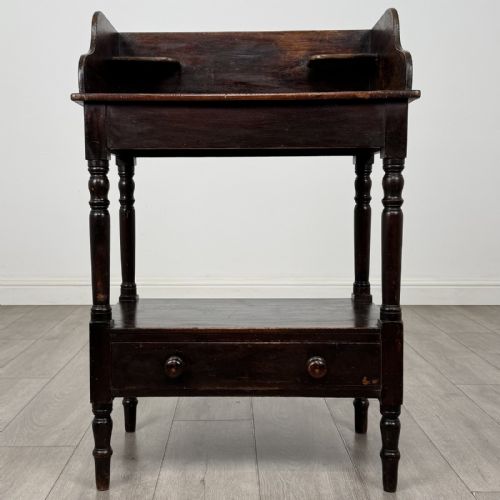
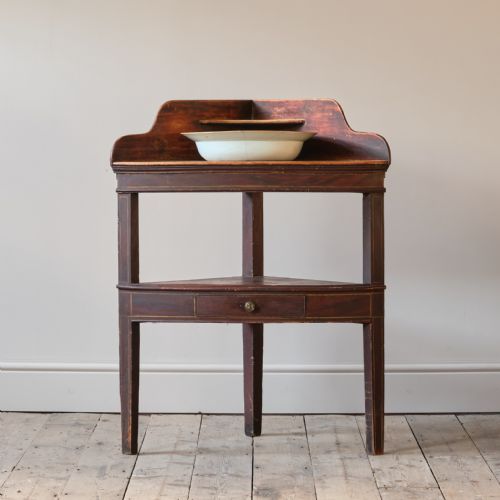
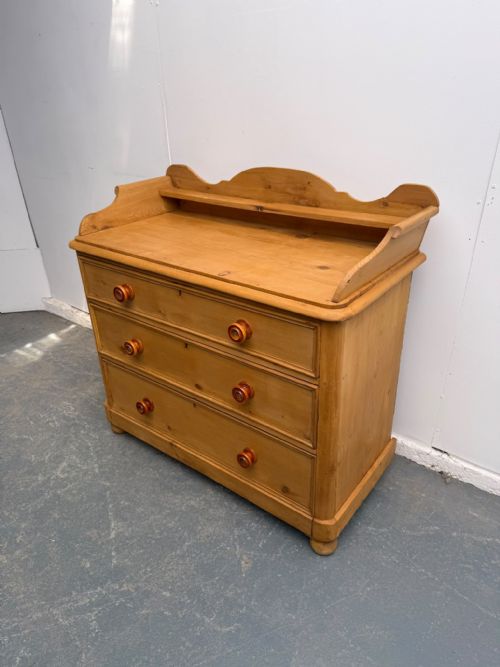
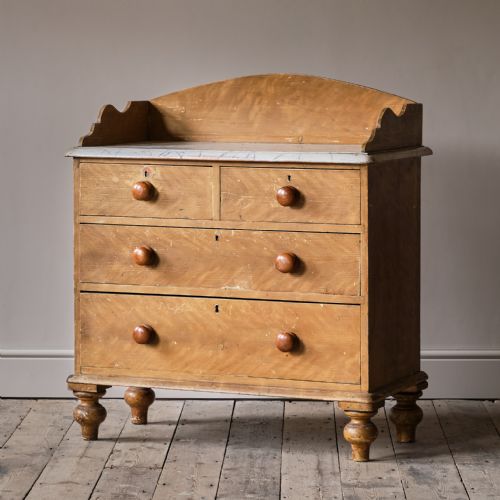
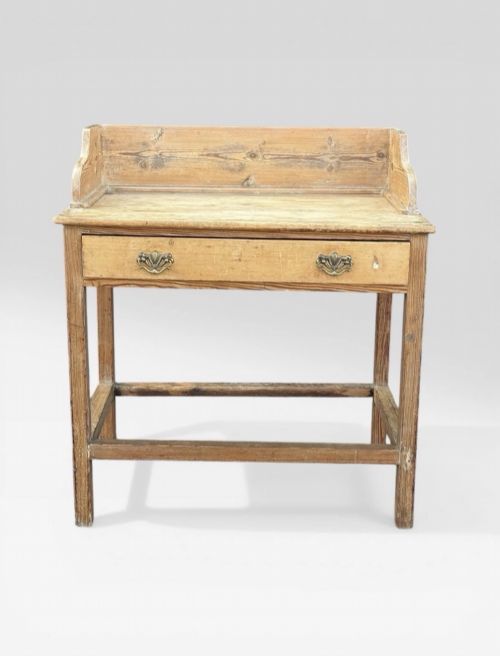
A country washstand is a functional piece of vernacular furniture designed to hold basins, ewers, and washing equipment in bedrooms and dressing spaces. These pieces emerge across the 18th century, Regency, and Victorian periods, often taking the form of straightforward tables or small chests.
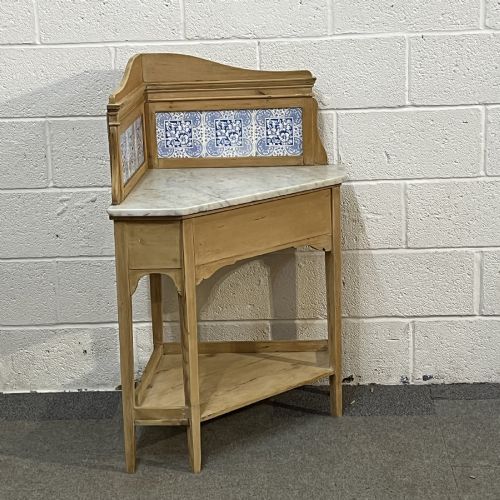
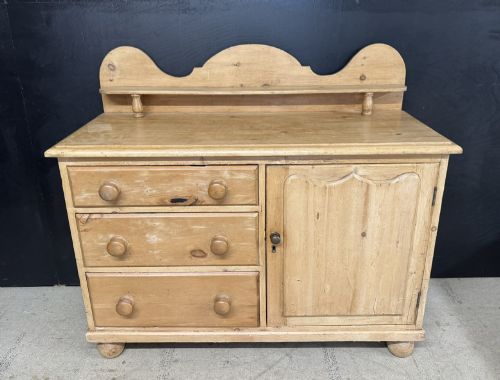
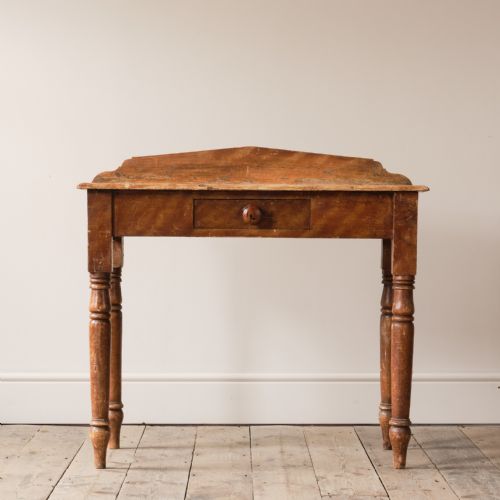
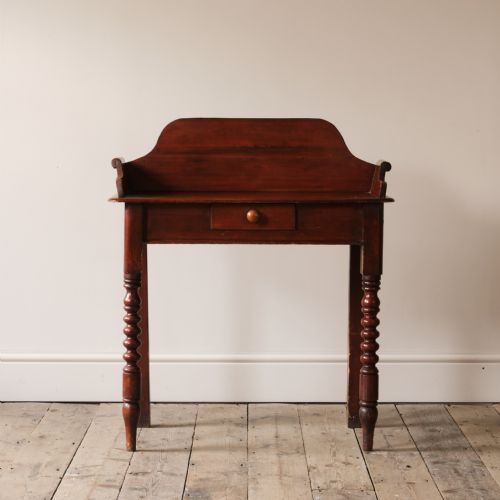
The versions most commonly met on this page are constructed from pine, sometimes painted or waxed, featuring useful galleries at the rear or sides to protect walls from splashes. Alongside standard washstands, the selections include related forms like side tables, chests of drawers, and dressing tables.
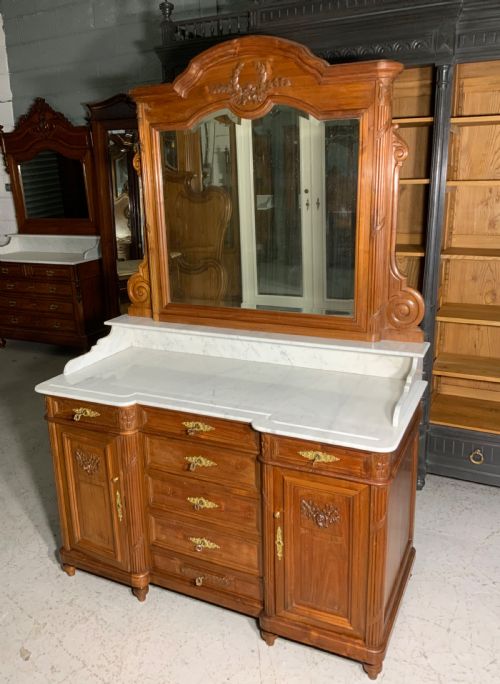
Origins span English country houses and French provincial settings, ranging from simple rustic farmhouse items to more refined Victorian Gothic or Edwardian examples. They function equally well today as hallway tables, bathroom basin units, or bedroom side surfaces.
How they were made
Makers constructed these washstands primarily from solid timber, with pine dominating the inventory alongside mahogany, chestnut, oak, and cherry wood. Joinery methods relied on traditional mortise and tenon joints to withstand the daily rigours of washing and domestic labour.
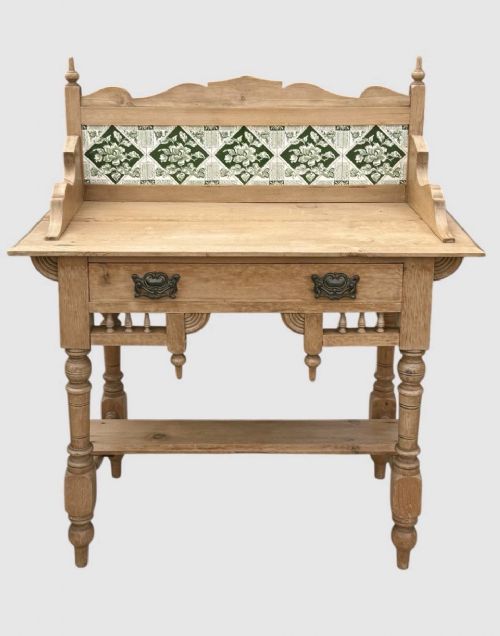
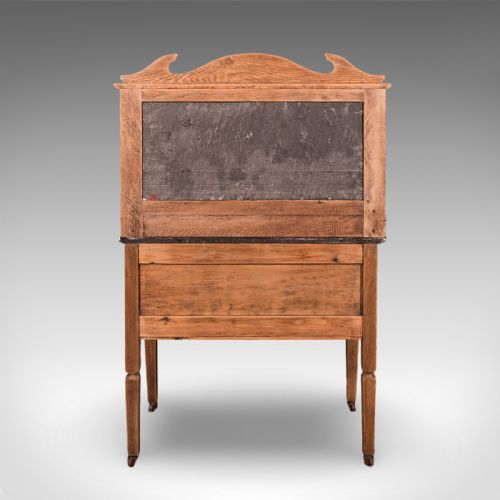
Surfaces often received protective treatments such as wax, scumble glazes, or original paint finishes that have survived through generations. Fitted additions included brass hardware, ceramic tiles, and pewter cisterns with basins.
Country Washstand Retail Price Guide 2026
Typical asking prices for country washstand among the pieces listed under this phrase on Sellingantiques today, from the lower quarter to the upper quarter. They describe what is for sale here now, not the wider market.
Many a Victorian washstand still bears the faint, water-ringed ghost of a long-vanished soap dish.
What varies in quality
Quality rests in the integrity of the original timber and the survival of early or untouched paint surfaces, such as scumble or regional pigments. Pieces that retain their original tile galleries, brass fittings, or pewter cisterns demonstrate higher levels of completeness.
Construction detail separates simpler utility items from finer workshop output, evident in the crispness of turned legs, dovetailed drawers, and protective three-quarter or raised galleries.
The Country Washstand Glossary
- Gallery
- A raised wooden border running along the back and sides of a washstand top to prevent water from splashing onto the wall.
- Scumble
- A decorative painting technique involving layers of translucent colour dragged over a base coat to imitate the grain of finer woods.
- Lavabo
- A self-contained washing unit consisting of a cistern and basin, commonly associated with French provincial metalwork.
- Pitch pine
- A resinous, durable variety of pine frequently utilised in Victorian furniture for its strong grain pattern.
- Tray back
- A recessed top surface bordered by a low wooden upstand, similar to a gallery.
Country Washstand: Frequently Asked Questions
What is a country washstand used for?
Originally built to hold a water basin, jug, and washing accessories in the bedroom before indoor plumbing became universal, these pieces provided a stable, water-resistant station for morning routines.
Today, they adapt readily to modern homes as bathroom vanity units, hallway console tables, or distinctive side surfaces in living areas.
How do I care for original painted pine?
Painted and scumbled surfaces require gentle treatment, avoiding modern chemical solvents, abrasive cleaners, or excessive moisture that can lift historic pigments.
Dust regularly with a dry cloth and occasionally apply a neutral microcrystalline wax where the wood is bare to protect the finish.
How do I date a Victorian washstand?
Dating relies on examining construction traits, timber choices like pitch pine, and hardware styles such as brass pulls or ceramic tile inserts.
Earlier Regency and Georgian examples generally display lighter framing and simpler turned supports, whereas later Victorian pieces often incorporate elaborate galleries or tiled splashbacks.
Are French and English washstands different?
French provincial models frequently utilise woods like chestnut and cherry, sometimes featuring specialised fittings such as pewter cisterns and basins.
English variants lean heavily toward pine, mahogany, and oak, focusing on straightforward utility with tray tops or three-quarter wooden galleries.