





Country Pine Shelving Unit
These country pine shelving unit pieces bring honest utility and character to an interior.
Country Pine Shelving Unit
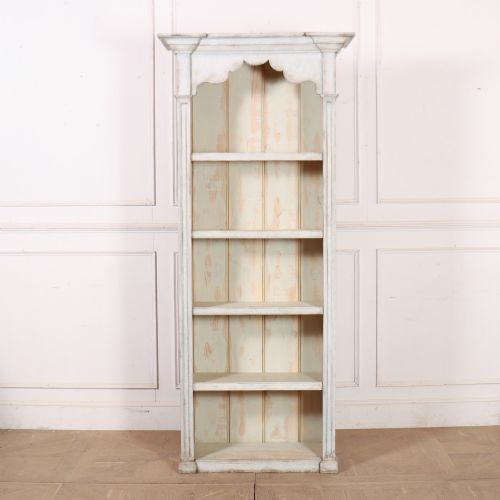
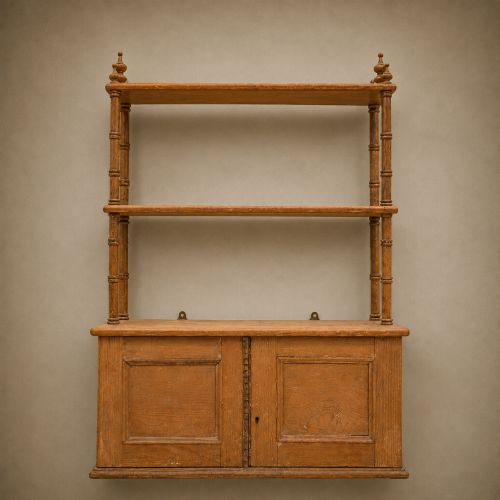
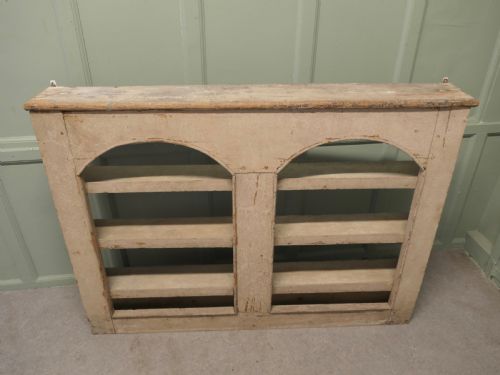
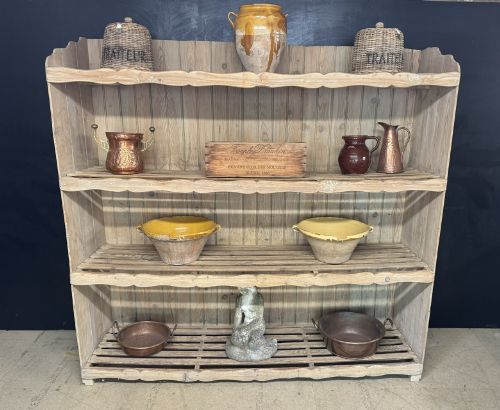
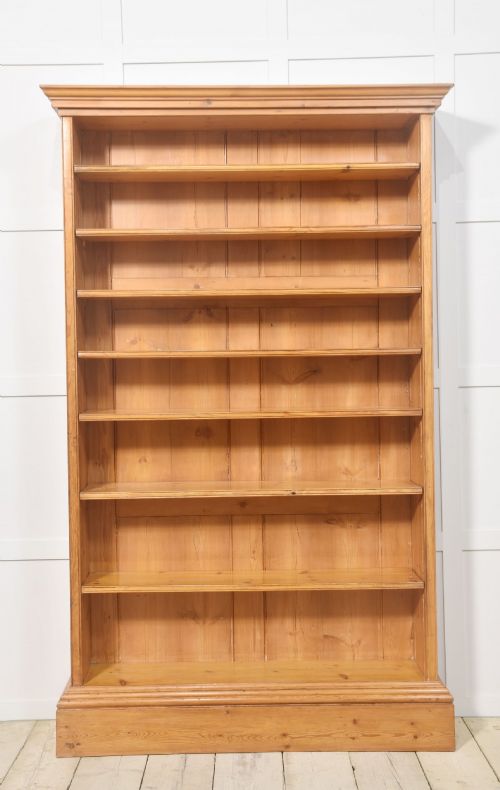
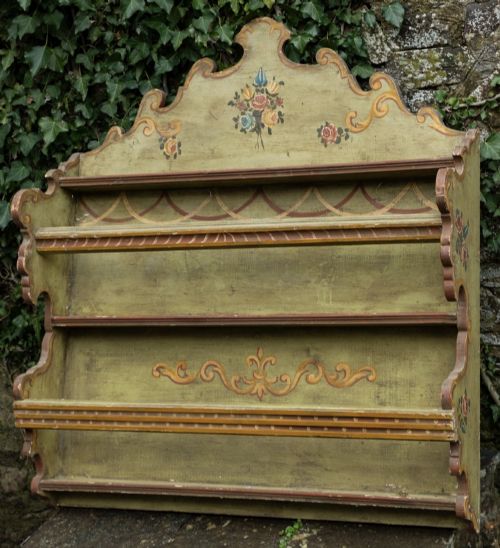
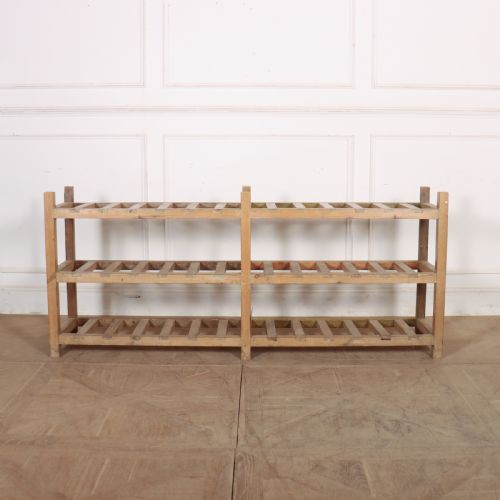
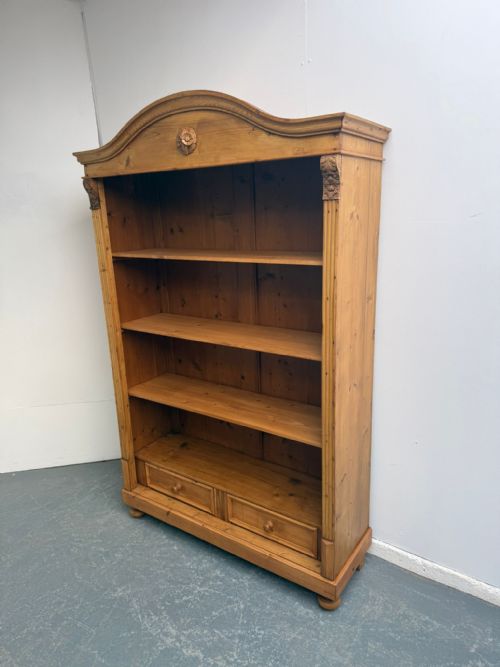
A country pine shelving unit provides functional storage through practical bookcases, wall shelves, alcove units, and bakers racks. These pieces range from simple open layouts to variants with cupboards or display shelves.
Most examples found here date from the nineteenth century into the early twentieth century, spanning Victorian, Edwardian, and regional provincial styles. Buyers encounter both English country workshop pieces and continental European forms.
Forms vary from tall open bookcases and corner cabinets to specialised items like shoe racks and kitchen racks. Each item serves everyday domestic storage needs with straightforward lines.
How they were made
Construction relies primarily on pine and deal wood, worked by hand into sturdy domestic furniture. Carpenters utilised solid timber boards for uprights and shelves, often joined with simple mechanical fixings or traditional housing joints.
Surface finishes include waxed timber alongside painted, distemper painted, and hand-painted decorative coats. Many pieces show layers of original or later paint that reflect their working history in kitchens, shops, or libraries.
Country Pine Shelving Unit Retail Price Guide 2026
Typical asking prices for country pine shelving unit among the pieces listed under this phrase on Sellingantiques today, from the lower quarter to the upper quarter. They describe what is for sale here now, not the wider market.
Listings span the nineteenth century through the Edwardian period, featuring pine, deal, and painted wood in forms from wall shelves to bookcases.
What varies in quality
Quality rests upon the proportion, timber selection, and integrity of the original construction rather than decorative ornamentation. Finer examples display balanced proportions, sound joints, and thick pine boards that support heavy volumes without sagging.
Surface treatment significantly influences character, as original undisturbed painted finishes or deep waxed patinas hold greater visual interest than later alterations. The presence of adjustable shelves adds functional merit to bookcases and display units.
The Country Pine Shelving Unit Glossary
- Deal wood
- A traditional term for fir or pine timber used extensively in British and European vernacular cabinetmaking. It provides a soft yet durable surface for painted or waxed furniture.
- Distemper paint
- A water-based paint mixture utilising chalk and pigment bound with animal glue. It produces a matt finish that chalks slightly with age.
- Alcove shelving
- Fitted or freestanding shelving designed specifically to fit into wall recesses. This maximises room space in domestic interiors.
- Bakers rack
- An open metal and wood framework originally used in commercial bakeries for cooling bread. Domestic examples now serve as display and storage shelving.
Country Pine Shelving Unit: Frequently Asked Questions
Where were country pine shelves used?
These utility pieces originally served in kitchens, sculleries, pantries, and libraries for daily storage. Their simple construction suited working domestic and commercial environments.
Today, they adapt easily to modern living rooms, studies, and hallways to hold books and display objects.
How do I care for waxed pine?
Waxed pine surfaces require occasional gentle cleaning with a soft cloth to remove dust. Avoid using abrasive cleaners or excessive water.
Applying a traditional beeswax paste periodically maintains the lustre and protects the timber from drying out.
Are the shelves usually adjustable?
Many nineteenth-century and Edwardian bookcases feature adjustable shelving supported by wooden bearers or metal pins. This allows storage heights to be altered for different book sizes.
Fixed shelves remain common in smaller wall racks and simpler vernacular cupboards.
What is the difference between deal and pine?
Deal wood refers specifically to the timber of fir or pine trees cut into boards. Cabinetmakers used the terms interchangeably in historical workshop records.
Both materials offer the same soft, workable properties suited to regional furniture production.