


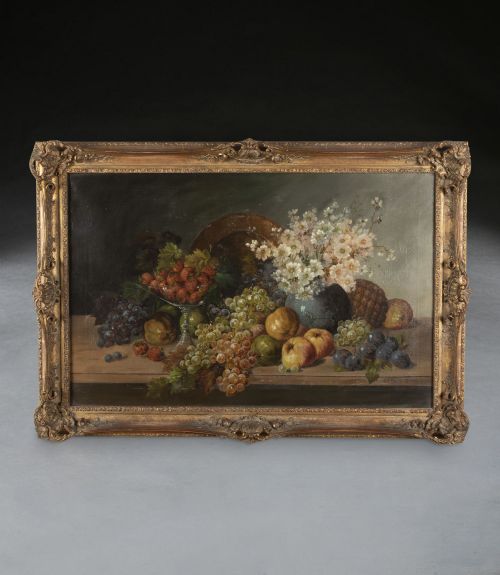


Country Life Painting
Country life painting encompasses rural oil and watercolour works capturing landscapes, sporting scenes, and still lifes from the nineteenth and twentieth centuries.
Country Life Painting
A country life painting portrays rural scenes, farming landscapes, and domestic animals through oil on canvas or watercolour on paper. These works document agricultural routines, village portraits, and sporting subjects from the nineteenth and twentieth centuries.
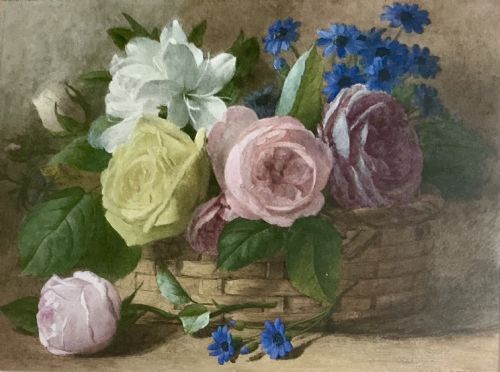
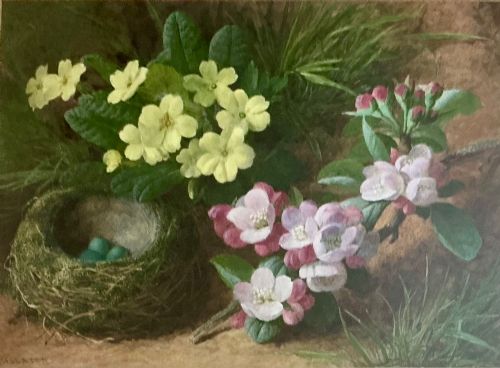
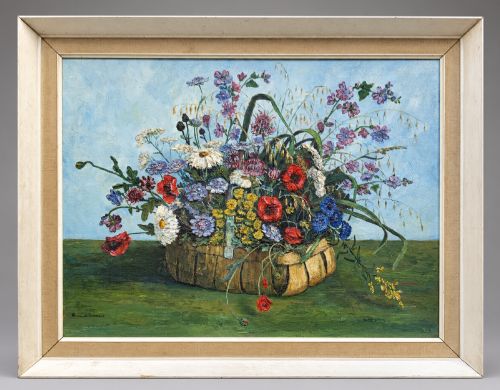
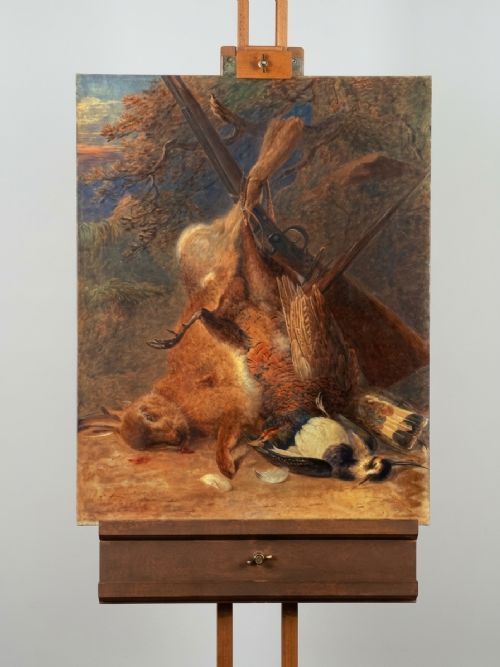
The selections here frequently include floral still lifes, hunting scenes, and rural landscape views created during the Victorian, Edwardian, and mid-century periods. Viewers often encounter framed canvases and watercolours that reflect both English and French country aesthetics.
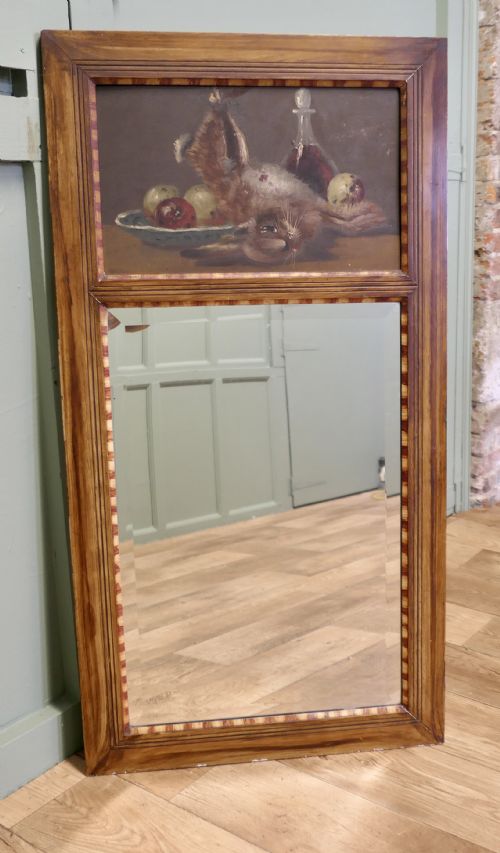
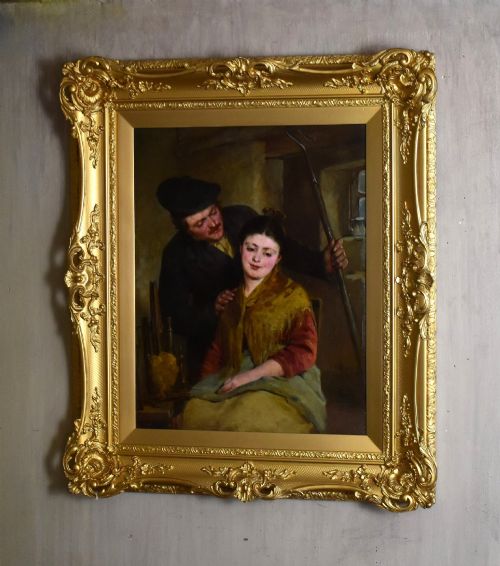
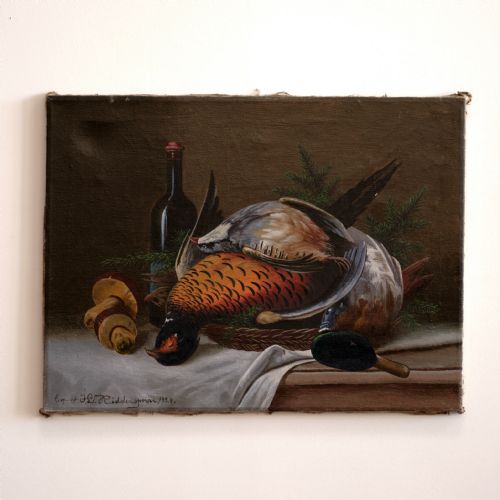
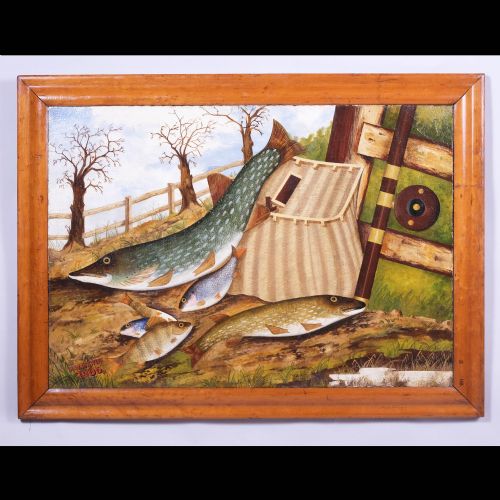
Works range from detailed depictions of game and flora to broader genre scenes featuring horses, hay wagons, and cottage life. Each piece offers a visual record of traditional rural activities and natural studies spanning several eras.
Materials and techniques
Artists created these works primarily using oil paint on canvas or watercolour and bodycolour on paper, supported by wooden stretcher frames and mountings. Gesso surfaces also appear on related wall mirrors and framed pieces.
Brushwork varies from the tight, detailed rendering found in nineteenth-century sporting and still life watercolours to the more expressive application seen in mid-century floral compositions and canvas paintings.
Country Life Painting Retail Price Guide 2026
Typical asking prices for country life painting among the pieces listed under this phrase on Sellingantiques today, from the lower quarter to the upper quarter. They describe what is for sale here now, not the wider market.
Several artists clearly enjoyed painting rabbits and game just as much as domestic flower arrangements on a mossy bank.
Distinctions in quality
Quality rests upon the artist's command of proportion, colour harmony, and natural detail, particularly in the rendering of flora, fauna, and human figures. Superior works demonstrate precise observation and confident handling of medium.
Condition of the canvas, paper, and original pigment preservation heavily influence the standing of a piece. Stronger examples retain their original vibrancy and surface integrity without excessive intervention.
George Sydney Shepherd·Howard Helmick·Benjamin Blake·Grace Hastie·Phyllis I Hibbert·Thomas Ivester Lloyd·Edward Killingworth Johnson·Marion Broom·Edith Alice Andrews·Henry Charles Bryant·Henry Singleton·George Morland·John Sherrin·Amy Reeve-Fowkes·Charles James Adams
The Country Life Painting Glossary
- Oil on Canvas
- Pigment mixed with drying oil applied to a stretched woven fabric support. This combination allowed artists to build rich textures and deep colour tones.
- Watercolour
- Water-soluble pigment paint applied to paper. It produces transparent washes and delicate colour effects.
- Bodycolour
- Watercolour mixed with a white pigment to render it opaque. This technique adds solidity and highlights to paper works.
- Gesso
- A paint mixture consisting of a binder mixed with chalk, gypsum, or pigment. It served as a prepared surface for frames and related wooden objects.
- Genre Scene
- Artwork depicting aspects of everyday life by portraying ordinary people engaged in common activities. These works provide social history through visual art.
Country Life Painting: Frequently Asked Questions
What subjects appear in country life paintings?
These works display rural landscapes, farming activities, sporting scenes, and detailed studies of flowers, game, and domestic animals.
Subjects also encompass village life portraits and genre scenes depicting children and agricultural workers from past centuries.
How do I date a country life painting?
Dating relies on stylistic markers, framing methods, artist signatures, and the type of canvas or paper support used.
Nineteenth-century pieces often show traditional academic precision, while twentieth-century works may display modernist or impressionist tendencies.
Are these paintings executed in oil or watercolour?
Both mediums are prevalent across the selection, with artists utilising oil paint on canvas and watercolours on paper.
Some works incorporate bodycolour to add opaque highlights and dense colour saturation to paper surfaces.
How should I hang and care for these artworks?
Protect oil and watercolour pieces from direct sunlight and high humidity to prevent fading and canvas degradation.
Display them on stable interior walls away from direct heat sources and ensure proper backing for paper works.