
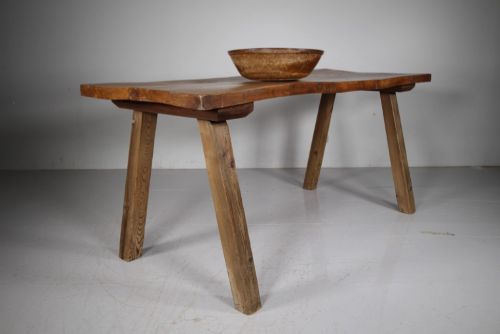
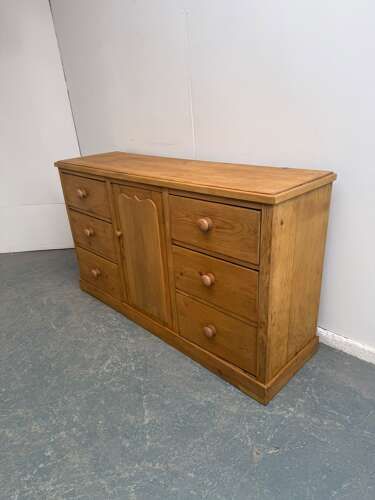
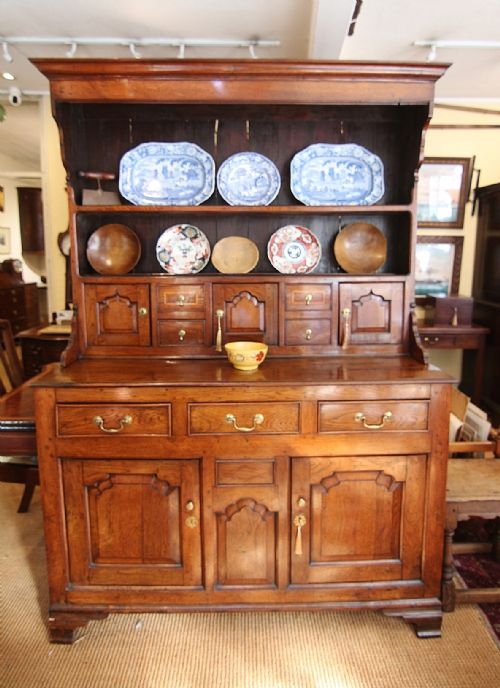
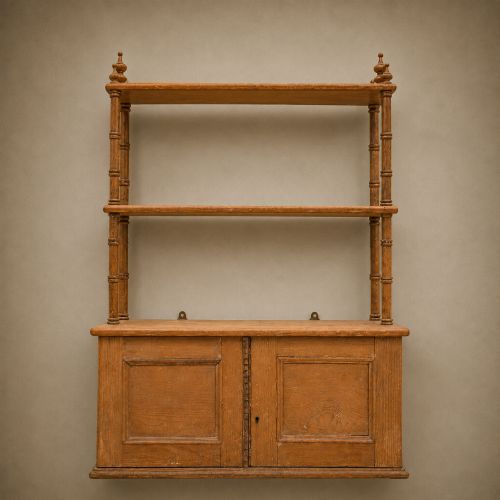
Country Kitchen Furniture
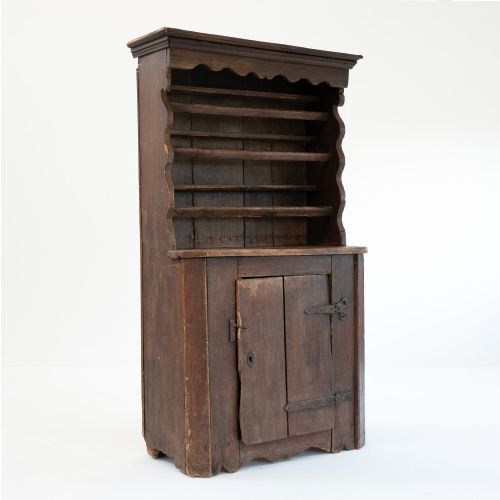
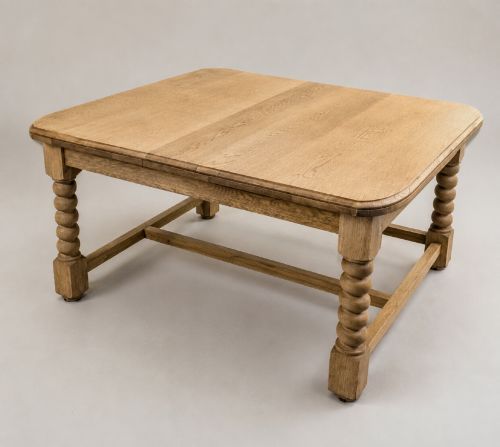
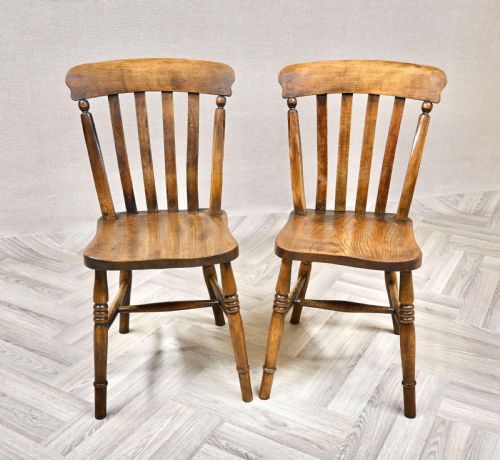
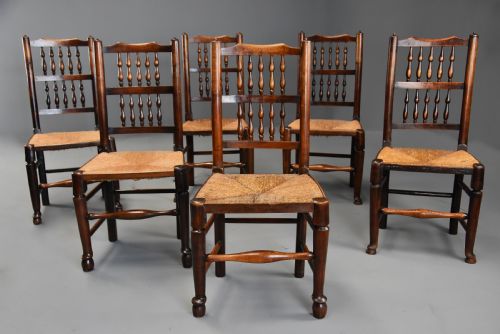
Country kitchen furniture brings together robust timber dressers, refectory tables, and spindle back chairs built for daily domestic labour.
Country Kitchen Furniture
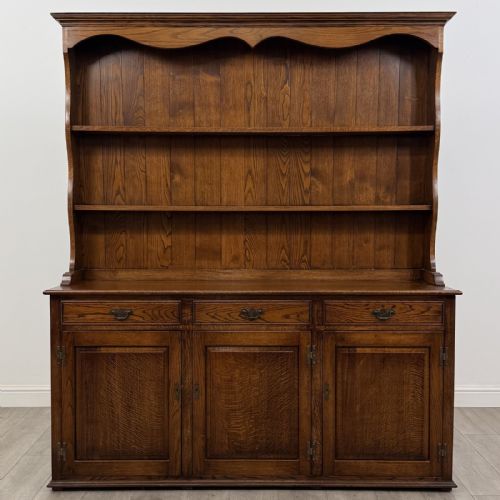
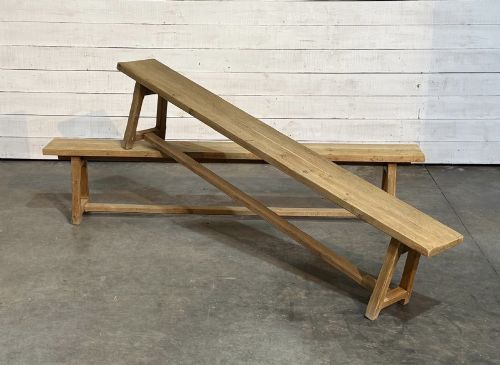
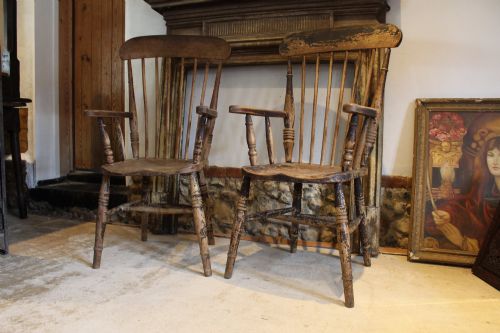
When buyers search for country kitchen furniture, they encounter sturdy wooden forms designed for heavy domestic use across centuries of rural life. Dressers, refectory tables, benches, and Windsor chairs form the core of what appears in these listings.
The pieces on this page span several periods, from 17th century oak boards through Georgian and Victorian pine designs up to early 20th century workshop pieces. Scottish, Welsh, English, and French regional variations dominate the inventory.
Practical utility dictated the original creation of these items, resulting in potboard bases, wall shelves, and robust dining tables meant to serve as the heart of the home.
Materials and Construction
Local timbers defined regional construction, with native oak, pine, elm, beech, and ash selected for structural endurance. Cabinetmakers and village joiners utilised solid single planks for table tops and integrated wrought iron or brass hardware where necessary.
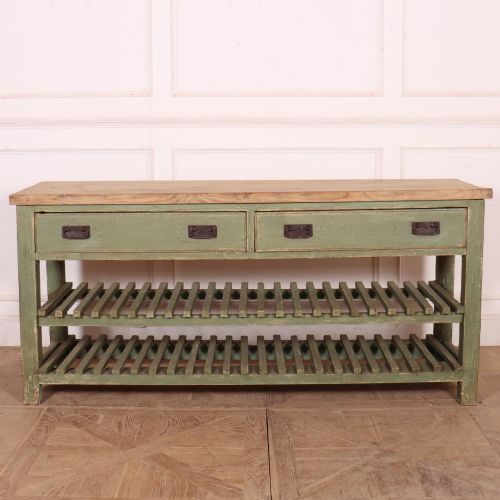
Surface treatments range from waxed pine and honey oak to traditional painted finishes and bleached woods. Construction methods rely on pegged joints, dovetails, and sturdy vernacular framing rather than delicate cabinetwork.
Listings feature oak, pine, elm, beech, and cherrywood across pieces dating from the 17th century through to the early 20th century.
Judging Quality and Character
Quality rests upon the integrity of the timber and the depth of natural patina acquired through generations of domestic service. Original surfaces, untouched boards, and period hardware elevate certain examples above later replacements or heavy restorations.
Regional distinctiveness and structural honesty separate ordinary utility items from finer vernacular pieces, such as a well-proportioned Welsh dresser or an early single plank table.
The Country Kitchen Furniture Glossary
- Potboard dresser
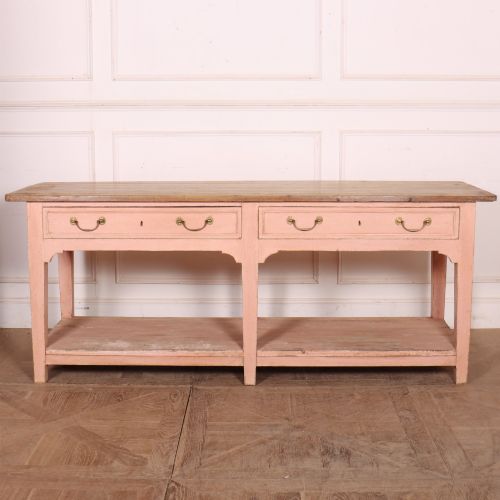
- A kitchen dresser featuring an open lower shelf historically used for storing pots and pans. This lower platform sits just above the floor.
- Refectory table
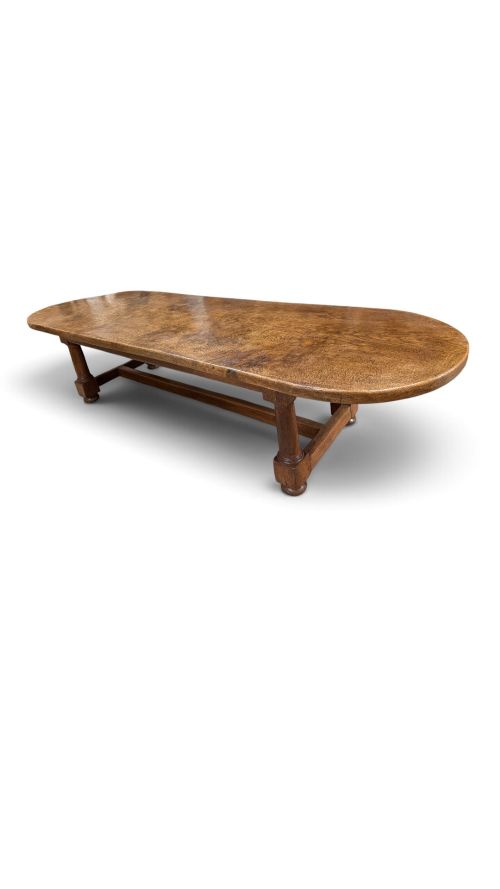
- A long, narrow dining table designed for communal meals in monastic or large domestic settings. Early examples frequently utilise heavy oak and elm.
- Windsor chair
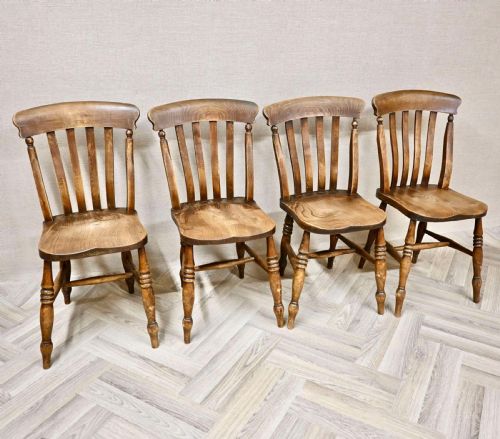
- A wooden chair constructed with a solid sculpted seat into which the legs and back spindles are directly inserted. Regional variants include lathback and spindle back designs.
- Patina
- The surface sheen and colour built up on wood through years of handling, polishing, and exposure. A good patina indicates genuine age and continuous use.
- Delft rack
- Wall-mounted wooden shelving designed to display ceramic plates upright. These often feature grooves or plate rails to prevent slipping.
Country Kitchen Furniture: Frequently Asked Questions
What defines country kitchen furniture?
These pieces comprise utilitarian wooden tables, dressers, benches, and seating built for domestic service in rural homes. They prioritise robust construction and function over ornate decoration.
Materials typically include native hardwoods and softwoods like oak, pine, elm, and beech, finished with simple waxes, oils, or historic paint.
How do I date a wooden farmhouse table?
Dating relies on examining construction techniques, timber shrinkage, and tool marks visible on the underside and joints. Single plank tops and pegged framing often point towards earlier periods.
Hardware style and the presence of natural wear help distinguish 17th and 18th century examples from later Victorian or early 20th century reproductions.
Are these pieces suitable for modern kitchens?
Their original design for heavy domestic work makes them exceptionally durable additions to contemporary culinary spaces. Tables, dressers, and workstations provide practical surface area and storage.
Placing them in a modern home requires balancing their historic timber surfaces with contemporary appliances and daily wear.
What is a Welsh dresser?
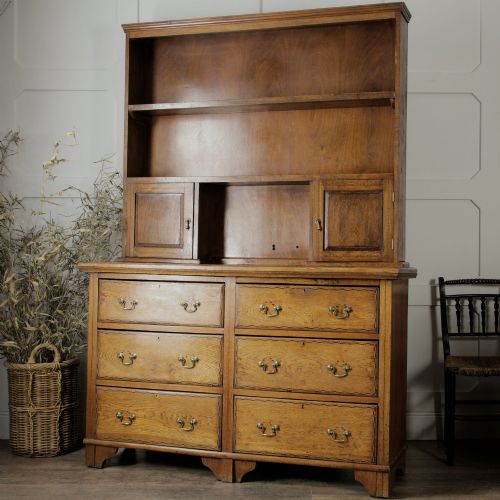
A Welsh dresser combines a lower base of cupboards or drawers with an upper plate rack for displaying ceramics. They served as the central storage unit in rural kitchens.
Regional variations display specific local traits, such as potboard lower shelves or integrated spice drawers.