



Country House Watercolour
These country house watercolour works capture domestic estates, gardens and local scenes through pigment on paper.
Country House Watercolour
A country house watercolour brings historic English estates, gardens and domestic interiors directly onto the wall. You will frequently encounter nineteenth-century and early twentieth-century examples depicting notable properties, gardens in summer and rural pastimes.
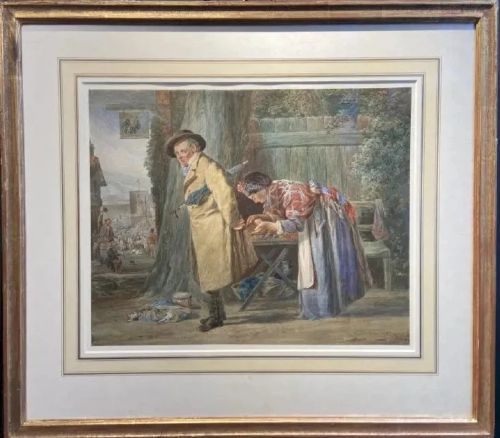
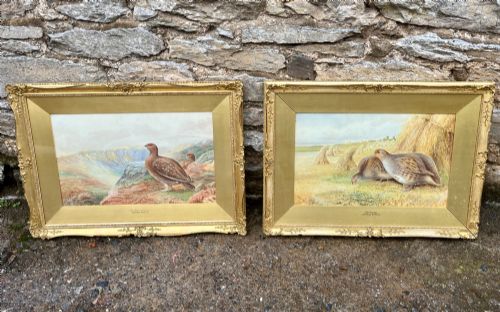
The subjects range from grand interiors like Hatfield House to quiet garden seats, local village streets and sporting scenes with game birds and working dogs. These paintings preserve specific domestic views and architectural records from the Victorian and Edwardian eras.
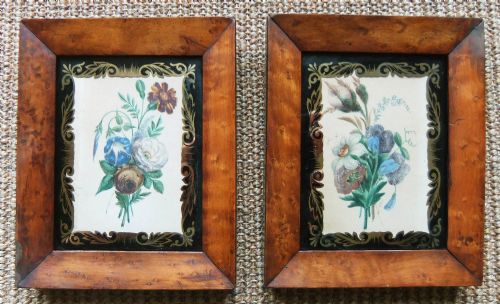
Most pieces arrive framed in period surrounds, often featuring burr wood or gilt mouldings that suit the traditional aesthetic of the domestic interior. Unsigned works by English school artists sit alongside named watercolours by established painters of the period.
Materials and Technique
Artists relied primarily on watercolour paint applied to paper support, occasionally supplemented by gouache or monochrome ink to build depth and contrast. These water-soluble pigments allowed for both delicate washes in skies and detailed brushwork in foliage and masonry.
Framing materials such as wood, giltwood, maple and glass protected the delicate paper surfaces from moisture and atmospheric dust over decades of domestic display. Many works retain their original period frames, which contribute substantially to the historic character of the framed artwork.
Country House Watercolour Retail Price Guide 2026
Typical asking prices for country house watercolour among the pieces listed under this phrase on Sellingantiques today, from the lower quarter to the upper quarter. They describe what is for sale here now, not the wider market.
The collection spans the nineteenth and twentieth centuries, incorporating Victorian genre realism, Edwardian impressionism and British watercolours on paper.
Assessing Quality
Quality rests heavily on the precision of the draughtsmanship and the artist's ability to capture light within the washes of colour. Superior examples display confident brushwork and accurate perspective, particularly in complex architectural interiors and garden settings.
The condition of the paper and the preservation of the original pigments distinguish finer works from those faded by excessive exposure to light. Original framing with matching period mounts also elevates the integrity of the piece.
Joseph H Barnes·George Rankin·Edgar Woollatt·Rowland Henry Hill·John Atkinson·Marion Broom·Arthur Alfred Davis·Tom Dudley·George Frederick Nicholls·Lilian Stannard·Amy Reeve-Fowkes·Margaret Thompson·T Sidney Cooper
The Country House Watercolour Glossary
- Gouache
- An opaque watercolour paint that includes a white pigment to create solid areas of colour. This medium allows artists to add sharp highlights to foliage, fabric and masonry.
- Monochrome ink
- A drawing medium utilising a single ink colour, often combined with light watercolour washes. It was frequently used for detailed architectural studies and topographical views.
- Giltwood
- Wood carved and covered with thin gold leaf or gilt finish. Frames utilising this material were standard for important domestic paintings of the nineteenth century.
- Burr wood
- Timber featuring distorted grain patterns formed around tree growths, prized for decorative veneer. Burr frames add rich texture and warmth to traditional watercolours.
Country House Watercolour: Frequently Asked Questions
How should I hang a watercolour?
Keep watercolours away from direct sunlight to prevent the pigments from fading over time. Direct heat sources like radiators can also dry out the paper and damage the mount.
Choose an interior wall with stable temperature and humidity levels to protect both the paper and the original frame. Using professional picture hooks suited to the weight of the frame ensures secure hanging.
What subjects are typical?
Common subjects include English country houses, formal gardens, domestic interiors and rural sporting scenes. Artists frequently recorded specific estates, village architecture and local wildlife.
These paintings offer a window into domestic life and architecture during the nineteenth and early twentieth centuries. They document both grand country seats and quiet corners of rural England.
Are these works original?
The selection consists of original hand-painted watercolours alongside a small number of period prints. Each painting was created by hand using watercolour pigments on paper.
Signed works attribute the painting directly to the artist, while unsigned pieces are often catalogued by English school and period. Examining the brushwork under magnification reveals the hand-applied nature of the pigment.
How do I date a watercolour?
Dating relies on stylistic evidence, artist working periods, framing materials and paper characteristics. Victorian and Edwardian works often display specific colour palettes and costume details.
Inscribed titles, signatures and labels on the reverse of the frame provide further historical clues. Comparative analysis with dated works by the same school helps narrow down the decade of creation.