
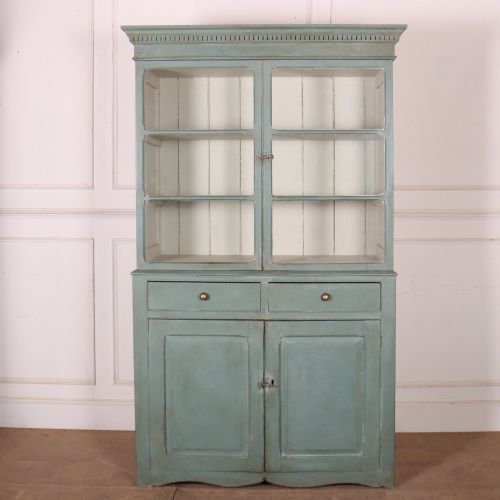
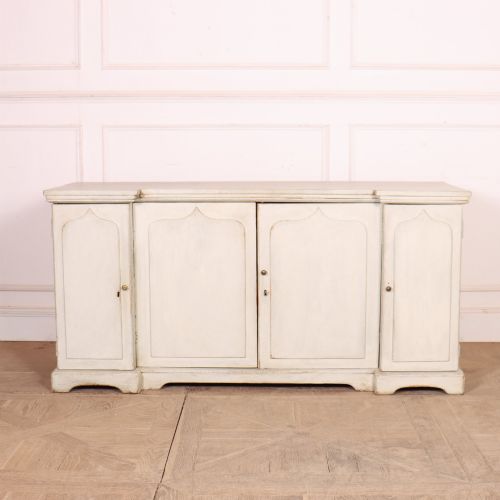
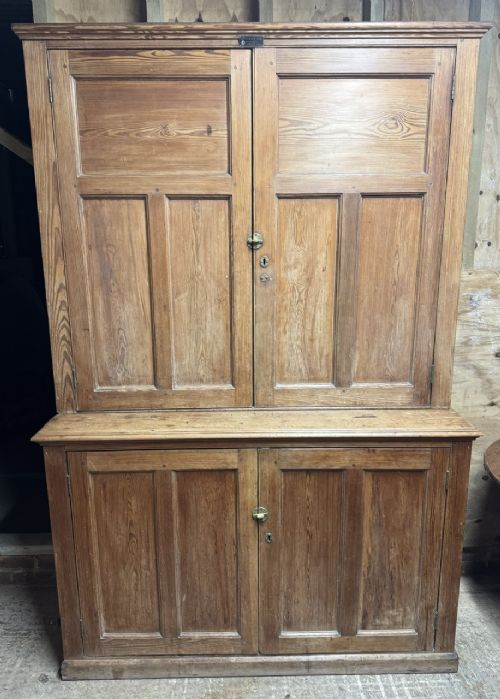
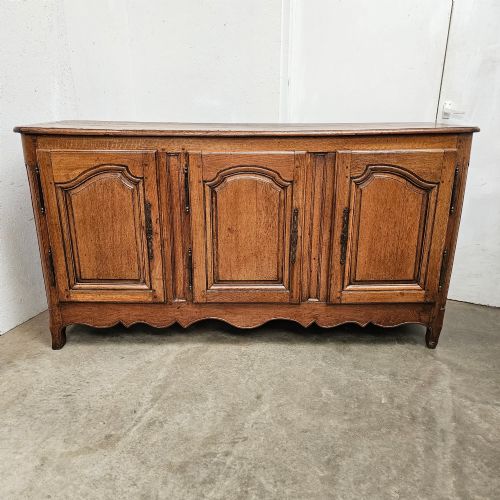
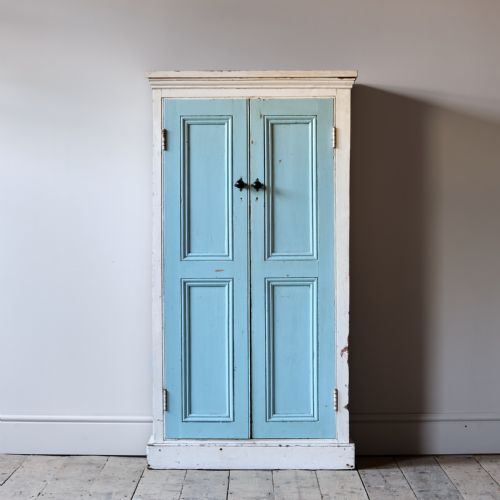
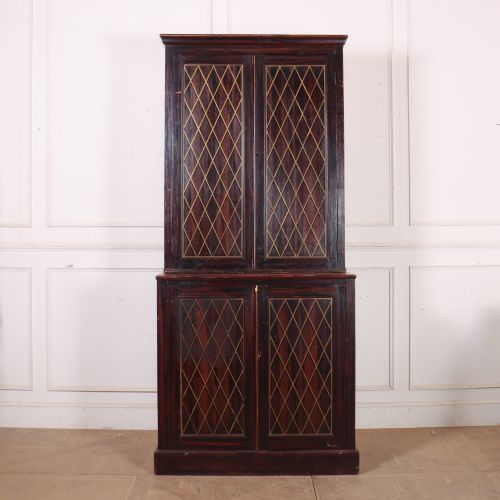
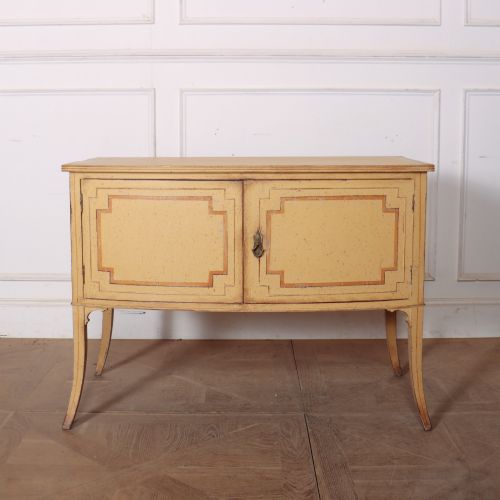
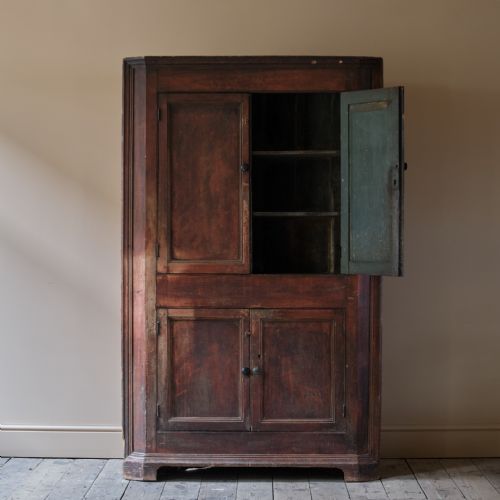

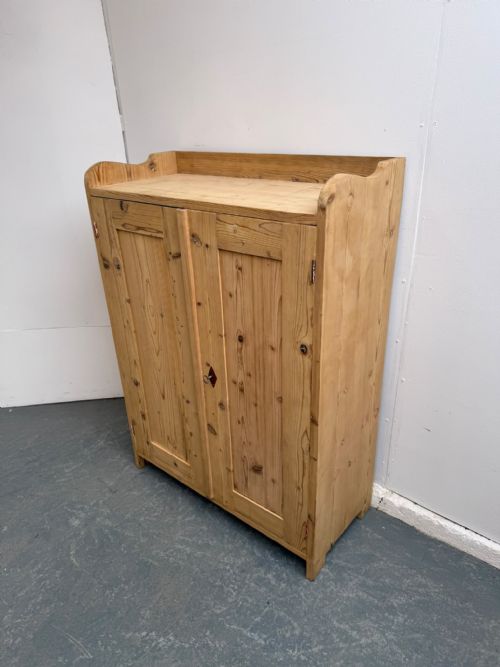

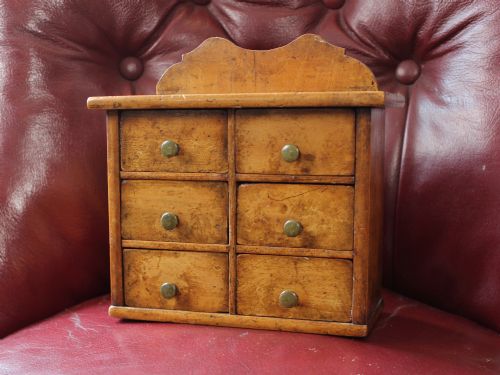
Country House Storage Cabinet
A country house storage cabinet brings sturdy utility and regional character into a room, offering generous proportions built for serious organisation.
Country House Storage Cabinet
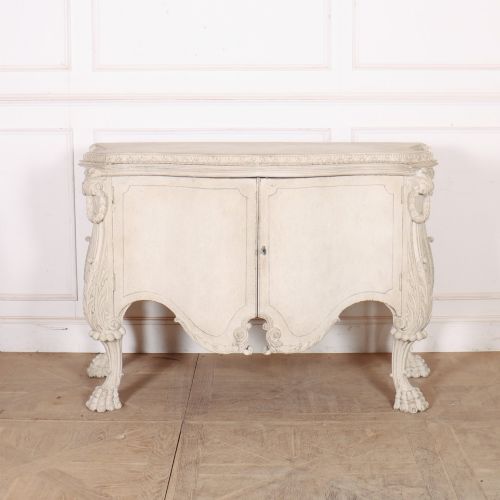
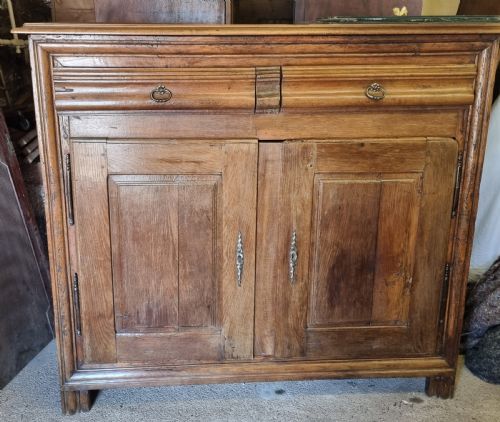
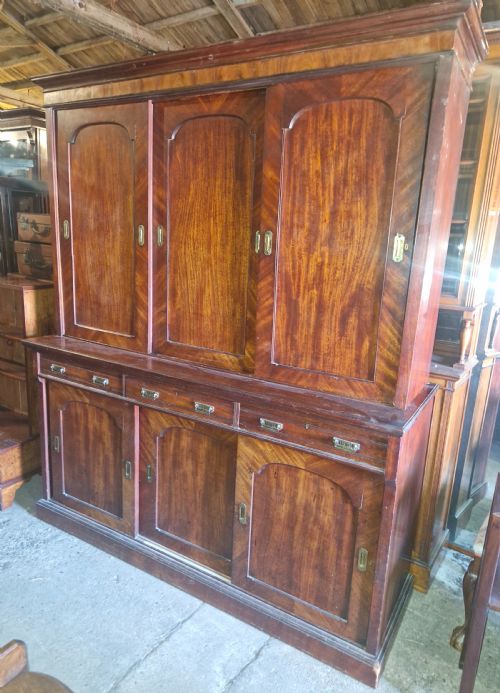
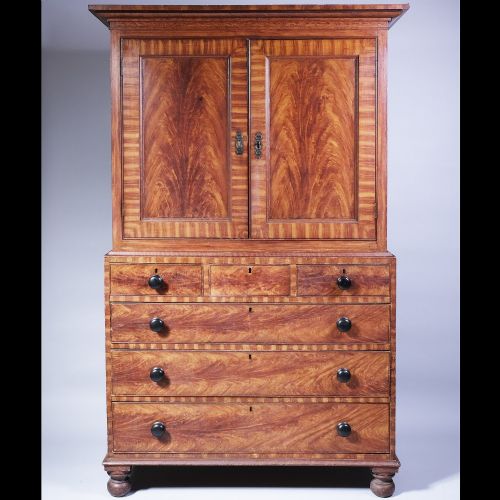
A country house storage cabinet encompasses substantial utilitarian forms designed for domestic management, ranging from large housekeeper cupboards and linen presses to dresser bases and side cabinets. These pieces serve as functional furniture built to hold provisions, textiles, and household goods in estate settings and rural homes alike.
The versions most commonly met on this page date from the eighteenth and nineteenth centuries, spanning Georgian and Victorian periods with strong representation from English, Scottish, French, and Scandinavian provincial workshops. Construction typically relies on local timbers and practical layouts rather than delicate urban fashions.
Forms vary from tall multi-door larders and glazed kitchen cabinets to low commodes, spice drawers, and bank of drawers units. Each variant reflects the specific storage needs of large country households, utilising straightforward rectilinear shapes designed for heavy daily use.
Materials and Construction Methods
Joinery relies heavily on durable domestic timbers such as oak, pine, and fruitwood, selected for availability and structural strength. Cabinetmakers employed traditional framing techniques alongside robust hardware like iron hinges and brass pulls to withstand constant opening and closing.
Many examples retain original surface treatments, including scumble paint, layered lead-based colours, and natural wax finishes applied to exposed grain. Secondary woods like pine appear frequently in internal shelving and drawer linings, whilst finer pieces incorporate mahogany or burr elm veneers on primary display surfaces.
Regional styles represented include English, Scottish, French Provincial, Italian, and Scandinavian cabinetmaking traditions.
Distinctions in Quality
Quality rests upon the integrity of the original construction, the thickness and selection of the timber, and the survival of untouched surface finishes. Superior pieces maintain their original blacksmith-made hardware, backboards, and internal shelving layouts without extensive structural alterations.
The presence of untouched period paint, whether scumble glaze or traditional flat colour, elevates a piece above standard examples that have undergone modern stripping or repainting. Proportional harmony and the skill of the regional cabinetmaker define the upper tier of these functional storage forms.
The Country House Storage Cabinet Glossary
- Housekeeper cupboard
- A large tall cupboard traditionally used for storing household linen, preserves, and dry goods. These pieces usually feature panelled doors enclosing adjustable shelving or hanging space.
- Scumble paint
- A decorative surface technique where a translucent glaze is manipulated over a lighter base coat to imitate grain or create mottled texture. It appears frequently on nineteenth-century utilitarian furniture.
- Breakfront
- A cabinet or dresser design where the central section projects forward from the flanking outer sections. This architectural arrangement adds depth and visual rhythm to large storage furniture.
- Enfilade
- A suite of rooms or, in cabinetmaking, a long low storage unit with a sequence of three or more doors. French provincial examples often utilise this format for dining room storage.
- Dresser base
- The lower portion of a kitchen or dining room dresser featuring drawers and cupboards beneath a solid top surface. Unlike complete dressers, these pieces omit the upper plate rack.
Country House Storage Cabinet: Frequently Asked Questions
How do I use a storage cabinet in a modern home?
These large storage units fit well in kitchens, hallways, and living rooms to manage tableware, books, or dry goods. Their deep shelves and generous drawers offer practical capacity without sacrificing period character.
Positioning a tall cupboard against a neutral wall lets the grain or original paint finish stand out. Lower drawer units work effectively as sideboards or media consoles in larger spaces.
What is the difference between an 18th and 19th-century cabinet?
Eighteenth-century examples often feature heavier oak construction with pegged joinery and hand-wrought iron hardware. They tend to display simpler, more primitive lines reflecting regional joinery traditions.
Nineteenth-century pieces frequently introduce softer woods like pine, alongside machine-sawn elements and varied painted finishes. Victorian iterations also show greater stylistic diversity, incorporating glazed display sections and mahogany veneers.
How do I care for original painted finishes?
Preserving original paint requires keeping pieces away from direct sunlight and damp environments to prevent flaking or warping. Dust gently with a dry, soft cloth rather than using liquid polishes or chemical cleaners.
Wax finishes benefit from occasional application of traditional beeswax to nourish the wood and protect the surface layer. Avoid abrasive pads or modern solvents that can strip historic pigment.
Where were these cabinets originally placed?
Estate furniture of this scale served in utility rooms, back corridors, and sculleries rather than formal reception rooms. Housekeeper larders and linen cupboards stood close to working areas for easy access to daily provisions.
Grand dressers and side cabinets occupied kitchens and dining rooms to display pewter and store tableware. Their sturdy build was designed to withstand the heavy traffic of domestic staff.