




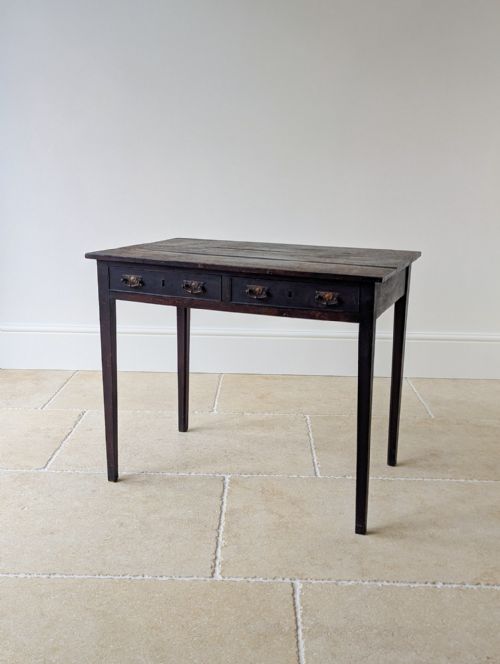


Country House Lamps
Country house lamps bring domestic warmth through diverse forms, spanning timber tables and wired bases that anchor a traditional interior.
Country House Lamps
When searching for country house lamps, a buyer encounters a mix of dedicated illumination pieces and small occasional tables that often serve the same atmospheric purpose. The selections on this page draw from 18th century, Georgian, and Victorian periods, reflecting generations of domestic use.
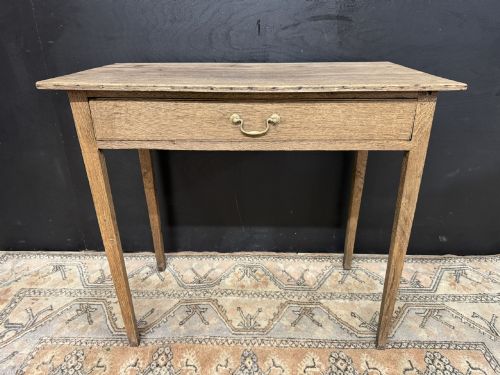
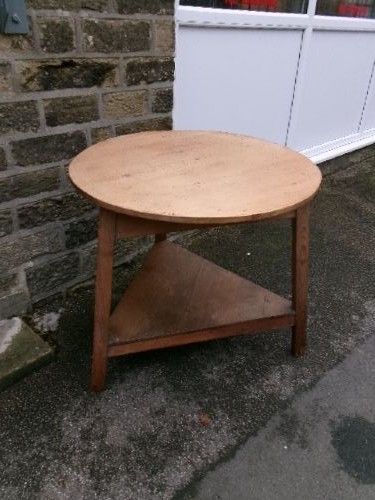
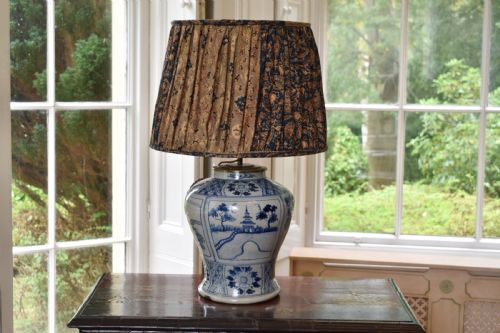
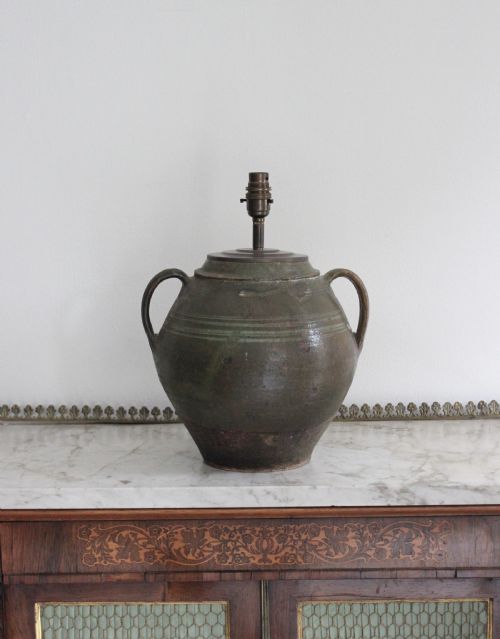
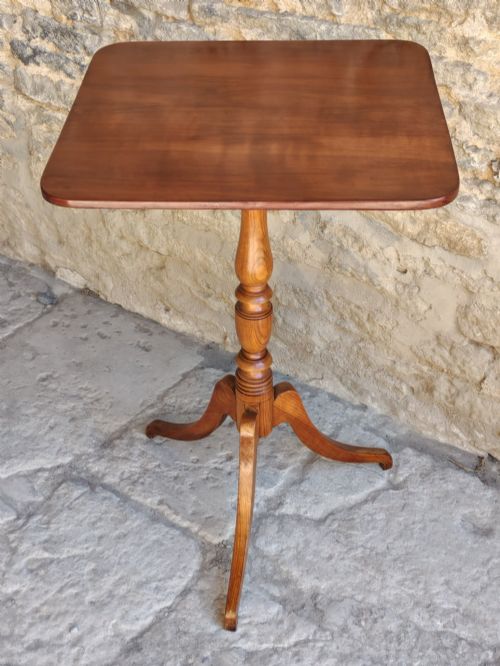
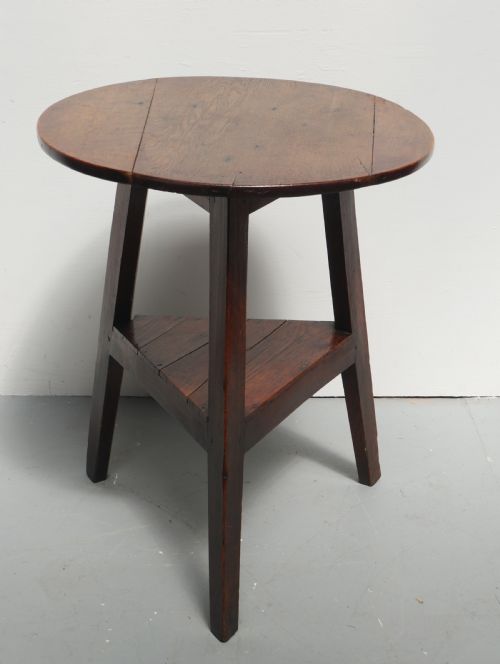
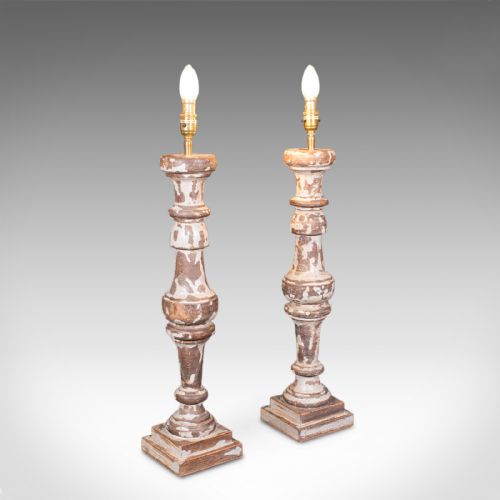
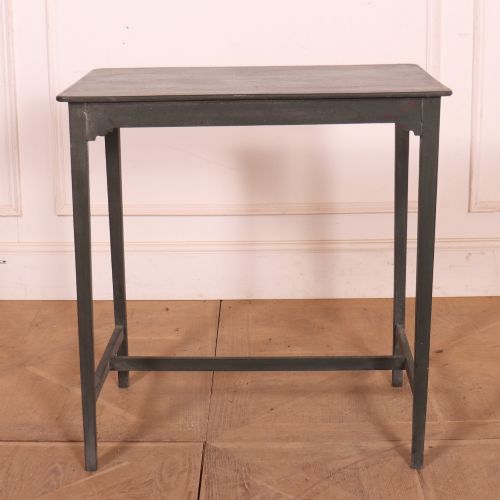
The most frequent items meeting this search are painted and unpainted lamp tables alongside converted side tables, wine tables, and cricket tables in oak, pine, and mahogany. Floor lamps and standard lamps in beech appear alongside table lamp bases in brass, alabaster, porcelain, and taxidermy.
Origins span English workshops alongside occasional French and Swedish examples, incorporating styles from rustic country to Regency and William IV. This variety allows collectors to source items ranging from simple tripod bases to monumental decorative fixtures.
Materials and construction
Timbers dominate the construction of these pieces, utilising native hardwoods like oak, mahogany, elm, cherry, and fruitwood alongside pine and beech. Tables and bases feature turned legs, tripod structures, and occasional drawers, built with traditional joinery suited to daily utility.
Surface treatments define many examples, featuring original paintwork, Chinoiserie decoration, and bleached finishes on timber. Specialised materials also enter the mix, including brass, marble, alabaster, porcelain, leather top inserts, and biological elements like deer antlers and hooves.
Country House Lamps Retail Price Guide 2026
Typical asking prices for country house lamps among the pieces listed under this phrase on Sellingantiques today, from the lower quarter to the upper quarter. They describe what is for sale here now, not the wider market.
Taxidermy deer hooves and antlers make unexpected appearances as structural lamp supports.
Assessing quality in country house lighting and furniture
Quality rests in the integrity of the original materials and the crispness of turned or carved details, such as the legs on a cricket table or the modelling of a porcelain base. Untouched original painted surfaces hold more interest than later decorative layers.
Proportion and timber selection separate standard utilitarian items from finer examples, particularly in mahogany and oak side tables or sculpted lamp standards. The harmony between the base material and any applied finish or metal mount dictates the overall standing of the piece.
The Country House Lamps Glossary
- Occasional table
- A small movable table designed for light domestic use beside seating. These often double as lamp tables.
- Ormolu
- Gilded bronze ornamentation applied to decorative objects and lamp bases. It provides metallic contrast to porcelain and stone.
- Standard lamp
- A tall floor-standing lamp designed to illuminate a room from a corner or beside a chair. They frequently feature turned wooden shafts.
- Chinoiserie
- European decorative style reflecting Chinese artistic motifs. It appears on painted cabinets and furniture surfaces.
Country House Lamps: Frequently Asked Questions
What defines a country house lamp?
These pieces comprise dedicated table and floor lamps alongside small tables adapted for lighting, originating from domestic English and continental contexts. They combine practical illumination with traditional craftsmanship.
Materials range from turned oak and painted pine to alabaster, porcelain, and taxidermy. Their designs span multiple centuries of domestic interiors.
How were cricket tables used?
Cricket tables served as versatile three-legged movable surfaces in historic homes. Their tripod design prevented wobbling on uneven flagstone or timber floors.
Today, they frequently support table lamps or act as bedside and side tables. Their simple wooden construction suits rustic and traditional rooms.
How do I date an antique lamp table?
Dating relies on timber species, joinery methods, and the style of turned legs or painted decoration. Georgian and 18th century pieces typically show pegged joints and native hardwoods like oak or elm.
Victorian and later examples introduce different wiring provisions, softer pines, and varied decorative revivals. Comparing the wear patterns to the construction style helps confirm the period.
Are these lamps wired for modern use?
Electric lighting components are integrated into many of the lamp bases and converted tables found here. These range from late Victorian installations to later adaptations.
Buyers should inspect the existing electrical fittings upon acquisition. Professional rewiring ensures safe daily use in a modern home.