
Country House Arm Chair
A country house arm chair offers deep cushioning and generous proportions designed for long hours of relaxation in a traditional interior.
Country House Arm Chair
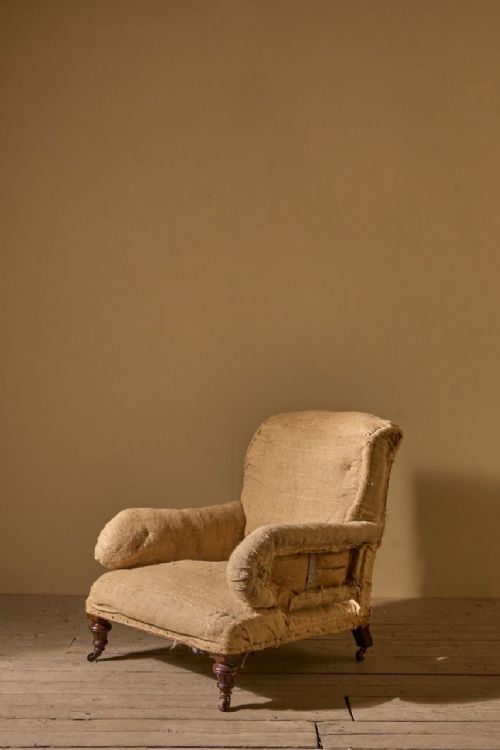
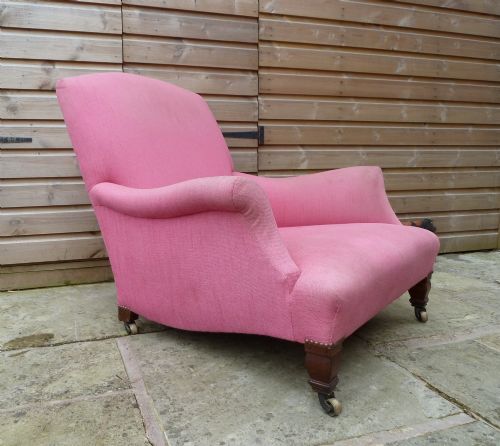
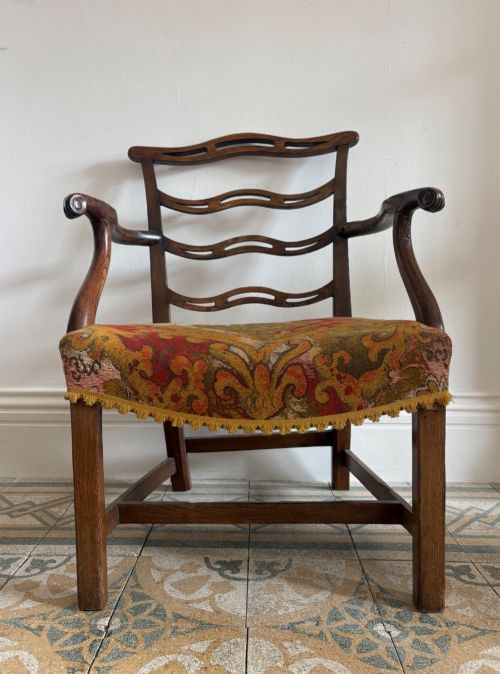
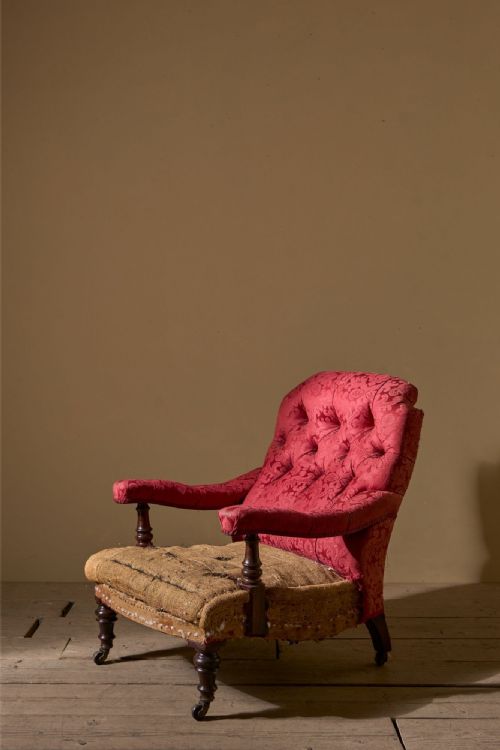
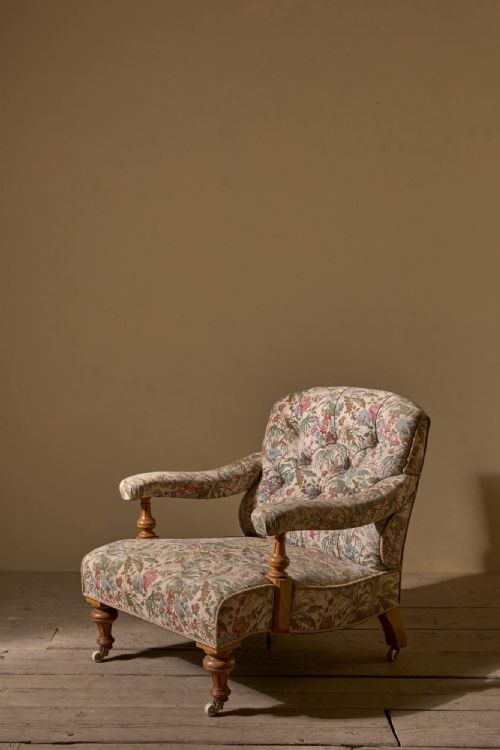
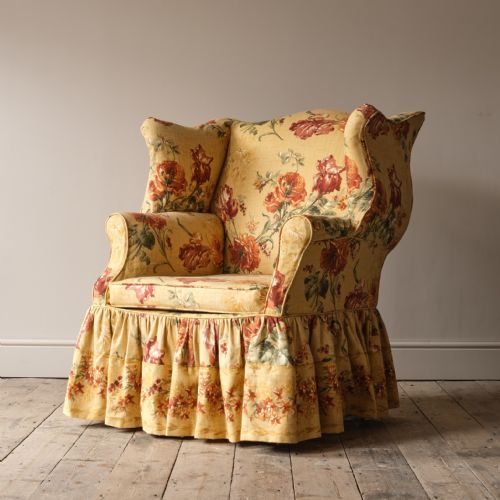
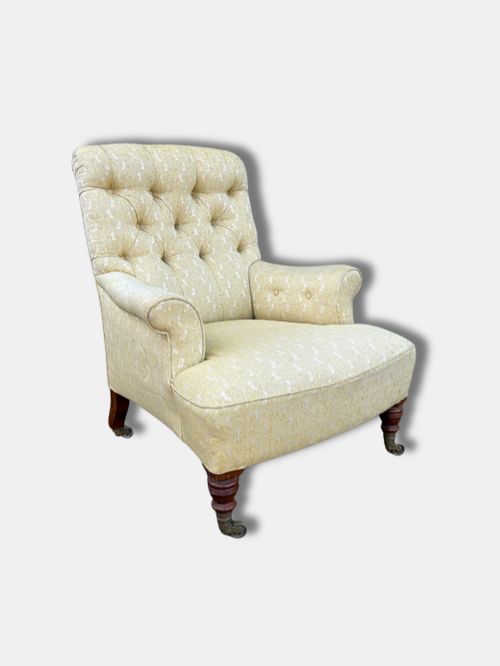
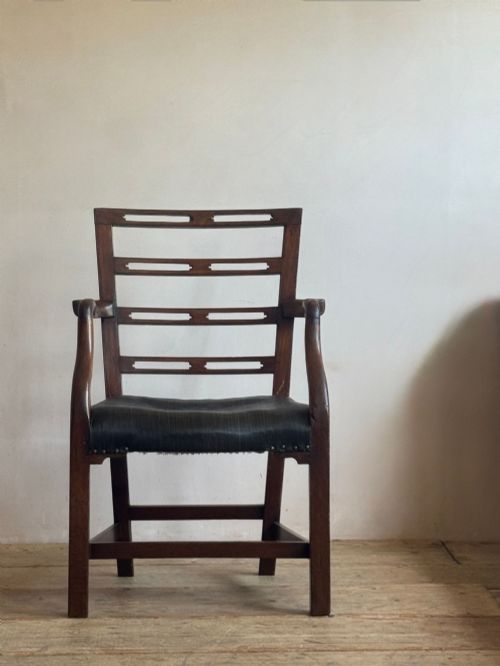
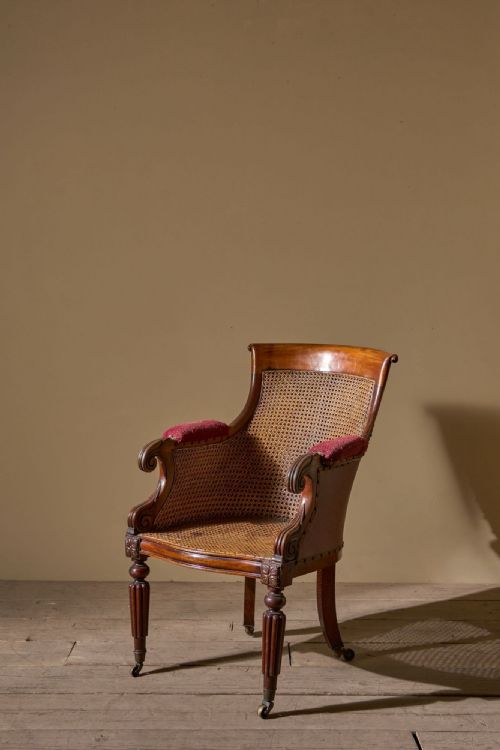
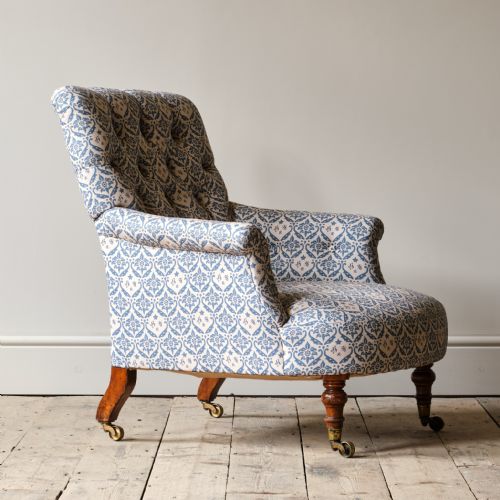
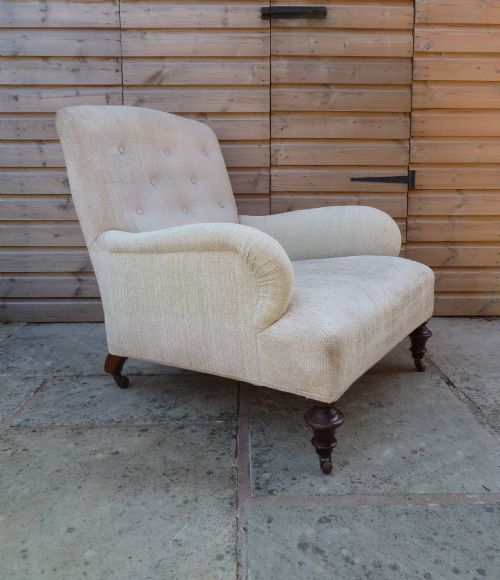
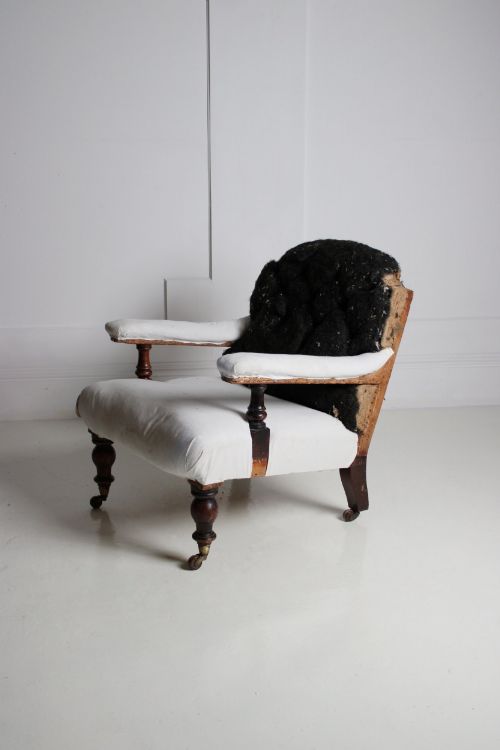
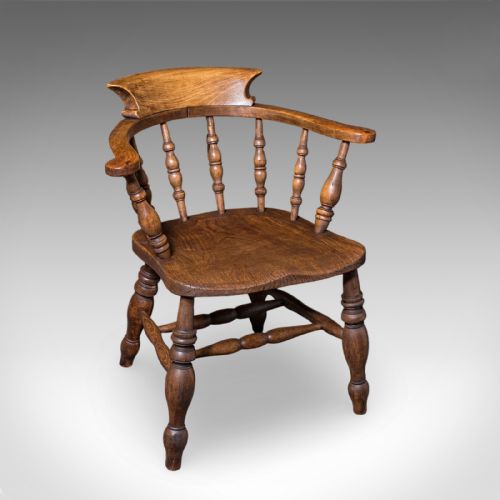
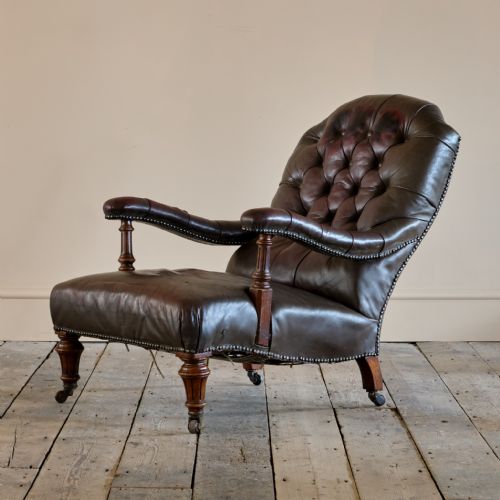
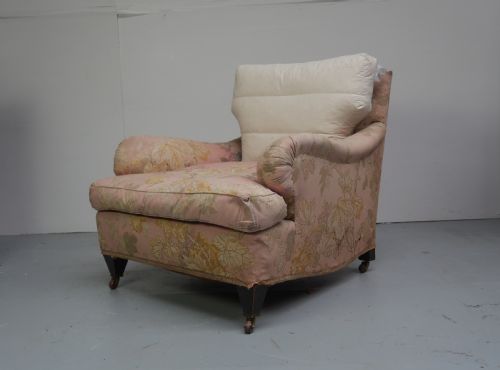
A country house arm chair represents the relaxed elegance of historic English estates, combining comfortable upholstery with sturdy timber frames. When exploring these listings, buyers encounter grand upholstered club shapes alongside simpler open-arm wooden varieties.
The most common examples date from the nineteenth century and the Edwardian era, reflecting a period when domestic comfort became a primary focus for interior design. These seats range from expansive wingbacks to low-slung lounging chairs intended for libraries and drawing rooms.
Makers often drew upon Georgian and Regency precedents, adapting classical forms into much softer, heavily padded seats. Such seating was built to anchor a room, pairing practicality with understated grandeur.
Materials and construction
Frames rely on resilient native hardwoods such as oak, elm, mahogany, and walnut to provide structural integrity beneath the padding. Joinery techniques from the eighteenth and nineteenth centuries ensured these heavy timber skeletons could withstand decades of daily use.
Upholstered versions layer traditional stuffing materials over coil springs, securing the interior architecture with sturdy webbing and durable hessian. Exterior coverings span from plain woven wools and cottons to printed tapestries and patterned fabrics.
Listings feature periods ranging from the eighteenth century through to the Edwardian era, utilising elm, mahogany, oak, and walnut.
Assessing quality and proportion
Superior examples distinguish themselves through harmonious proportions and the integrity of their underlying framework. A well-balanced silhouette and heavy, solid timber construction indicate a higher tier of manufacture.
The precision of the upholstery work and the selection of covering materials further divide standard pieces from exceptional ones. Premium specimens retain their original supportive tension and demonstrate careful attention to detail in every hidden joint.
Howard and Sons·James Shoolbred·Hampton and Sons·Gillows
The Country House Arm Chair Glossary
- Wingback
- An upholstered armchair with protective side panels designed to shield the occupant from draughts. These panels evolved to trap heat from open fires.
- Carver
- A dining or open armchair with arms, traditionally intended for the head of the table. They often match a larger set of simpler side chairs.
- Show wood
- Exposed timber on an upholstered chair frame where polished wood is visible around the back or arms. This showcases the grain and quality of the underlying material.
- Spindleback
- A wooden chair back constructed with numerous thin, turned vertical rods. This technique provides light yet robust support.
- Ladderback
- A chair back featuring horizontal arched rails resembling the rungs of a ladder. It is a traditional form found in many regional wooden seats.
Country House Arm Chair: Frequently Asked Questions
How do I choose the right size?
Consider the scale of your room and the ceiling height before selecting an oversized upholstered model. Generous seating requires adequate floor space to avoid overwhelming surrounding furniture.
Measure doorways and stairwells carefully if you plan to place a large wingback or club chair on an upper floor. Compact open-arm variations suit smaller spaces while retaining the same historic character.
Were these chairs used only in libraries?
While library and drawing room settings were common, these seats served varied domestic functions across large estates. They appeared in bedrooms, halls, and morning rooms depending on their upholstery and frame style.
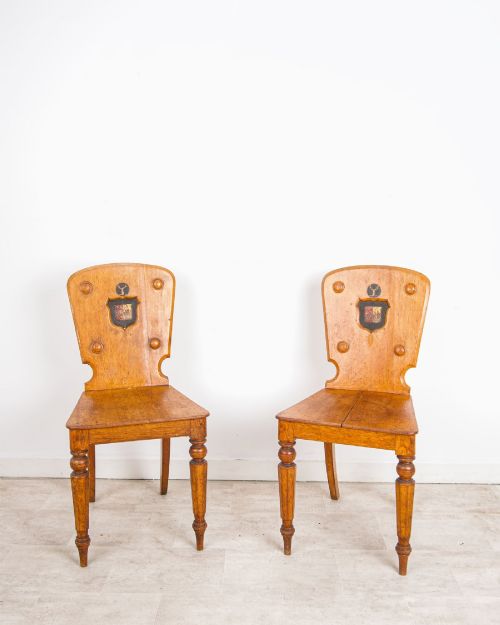
Wooden varieties with simpler seats often saw service in dining rooms or entrance halls. Heavier upholstered versions migrated to wherever maximum comfort was required.
How should I care for vintage upholstery?
Vacuum fabric surfaces gently using a low-suction attachment to remove dust without disturbing the underlying fibres. Keep delicate textiles away from direct sunlight to prevent fading over time.
Treat exposed timber frames with appropriate wax polish to nourish the wood and maintain its natural lustre. Professional cleaning is recommended for antique fabrics to preserve their integrity.
How can I tell the period?
Examine the timber species, turnings, and stretcher arrangements to determine the likely era of manufacture. Georgian pieces often display leaner proportions and mahogany frames, while Victorian and Edwardian examples lean toward heavier padding and broader seats.
Look for maker stamps or stamps on the castors and frame legs where applicable. Construction methods, such as the type of screw or joint used, offer further clues to the date.