




Country Flower Painting
When you search for country flower painting, you find works that capture garden blooms and rural flora across canvas, paper, and earthenware.
Country Flower Painting
A country flower painting captures botanical subjects and rural scenes across several decades of the nineteenth and twentieth centuries. These works appear in watercolours and oil paintings, often focusing on garden studies, still-lifes of roses or pansies, and pastoral views.
The watercolours on this page feature artists such as Theresa Stannard, Lilian Stannard, Marion Broom, Grace Hastie, and Phyllis I Hibbert. Their subjects range from cottage gardens to cosmos flowers in jugs and summer flower studies.
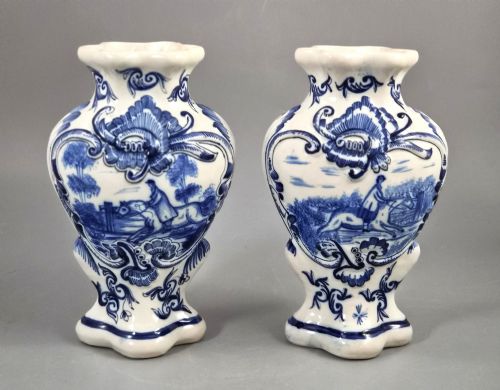
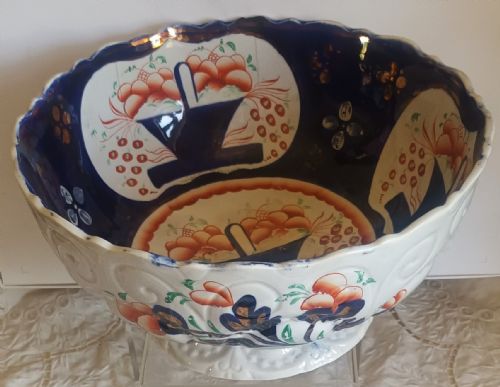
Oil paintings in this selection include works by Ernest Higgins Rigg and Robert John Hammond, alongside art deco period exuberant floral still lifes. Buyers also encounter painted ceramics and porcelain featuring floral patterns alongside these framed works.
How they were made
Watercolour paintings employ pigment suspended in water applied to paper sheets, capturing delicate floral details with transparent washes. Artists build up layers for subjects such as pansies, roses, and Michaelmas daisies.
Oil paintings utilise pigment bound in drying oils on canvas or panel surfaces. This technique allows rich colour saturation for red poppies and garden landscapes.
Ceramic pieces incorporate earthenware and porcelain decorated with painted or enamelled floral motifs. Manufacturers apply these designs before firing to create lasting surface patterns.
Listings combine watercolours on paper, oil paintings on canvas, and ceramic earthenware forms featuring floral motifs.
What varies in quality
The distinction between works rests upon the artist's handling of pigment and composition. Named painters such as Marion Broom and the Stannard sisters demonstrate precise control over botanical forms and colour harmony.
Medium and preservation also influence the piece. Original watercolours on paper require careful mounting to prevent fading, while oil paintings on canvas rely on the integrity of the paint layer.
Theresa Stannard·Ernest Higgins Rigg·Grace Hastie·Phyllis I Hibbert·Marion Broom·Edith Alice Andrews·Robert John Hammond·Lilian Stannard·Reginald Daniel Sherrin
The Country Flower Painting Glossary
- Watercolour
- A painting method where fine pigment is mixed with water-soluble binders and applied to paper. It yields transparent washes suited to delicate botanical studies.
- Oil painting
- A technique using pigments bound in an oil medium, typically linseed, applied to canvas or wood panels. This allows for blended brushwork and textured surfaces.
- Still-life
- An artwork depicting inanimate subject matter, typically commonplace objects such as flowers in jugs or baskets. These compositions focus on arrangements of natural forms.
- Earthenware
- A type of pottery fired at lower temperatures, remaining porous until glazed. It serves as a base for painted floral patterns and decorative bowls.
- Provenance
- The documented history of ownership for an artwork or antique object. It establishes authenticity and traces the item through past collections.
Country Flower Painting: Frequently Asked Questions
What periods do these paintings date from?
The selections span the nineteenth century through the mid twentieth century, including Victorian, Edwardian, and art deco periods. Watercolours and oils reflect the specific stylistic shifts of each decade.
Catalogued works connect to known dates from the eighteen-hundreds to the nineteen-fifties, showing changing approaches to floral subjects.
How should I hang watercolour paintings?
Watercolours demand protection from direct sunlight to prevent the pigments from fading over time. Conservation framing with acid-free mounts preserves the paper support.
Keep these pieces in rooms with stable humidity levels to avoid warping the paper or damaging the surrounding frame.
What is the difference between oil and watercolour floral works?
Watercolours rely on translucent washes on paper, offering a light and luminous finish. Oils utilise thick paint on canvas, providing heavier texture and deeper colour saturation.
Both mediums captured country flowers, but oil allows for greater impasto and reworking of the surface.
Are these paintings signed by the artists?
Many works in this category bear the original signature of the artist, such as pieces by Marion Broom or Phyllis I Hibbert. Signatures often appear in the lower corners of the paper or canvas.
Unsigned pieces rely on stylistic attribution and period context to identify the maker or school of origin.
How do I care for antique ceramic flower holders?
Ceramic items like bough pots and vases require gentle cleaning with a soft, dry cloth. Avoid submerging antique earthenware in water to protect the glaze and painted decoration.
Display them away from heavy foot traffic to prevent accidental knocks against delicate porcelain rims and handles.