
Country Elm High Chair
Country elm high chair designs bring vernacular domestic seating into focus, offering rustic character and robust vernacular construction for daily use.
Country Elm High Chair
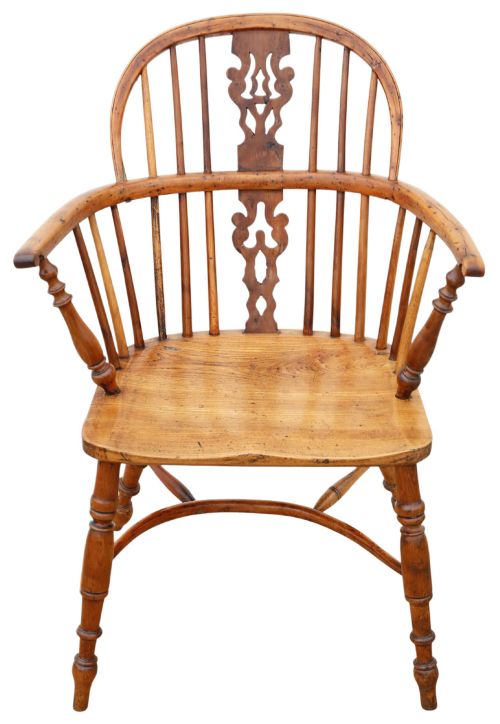
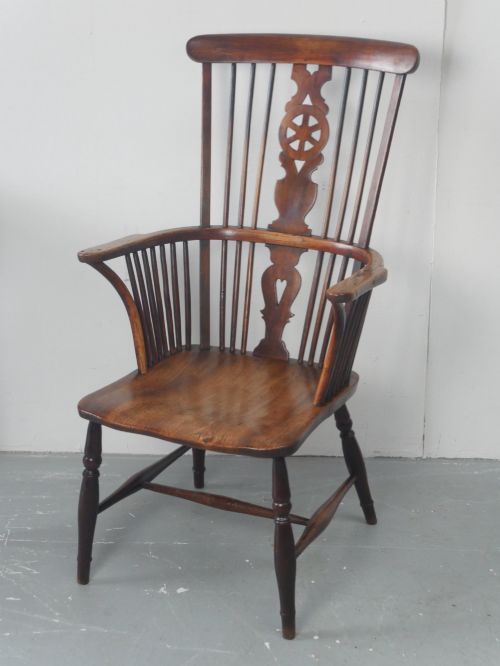
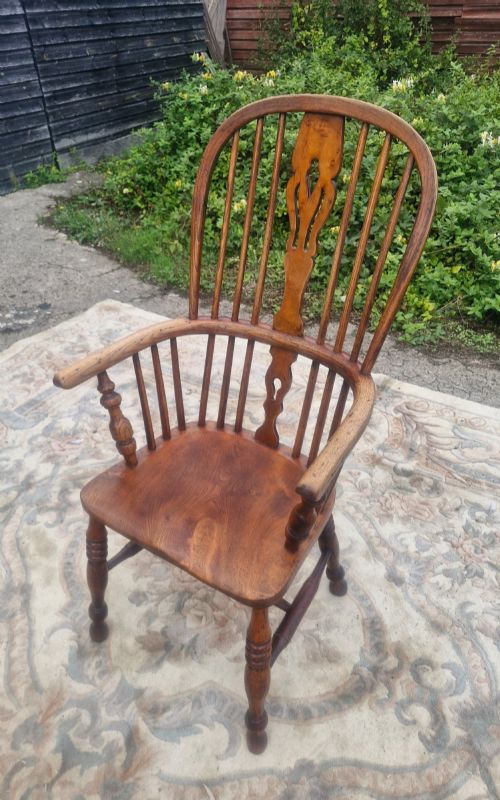
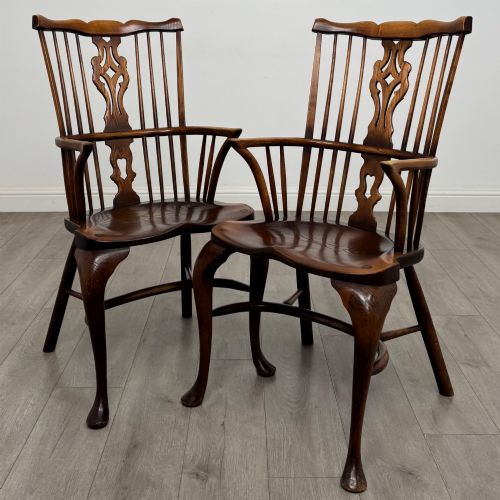
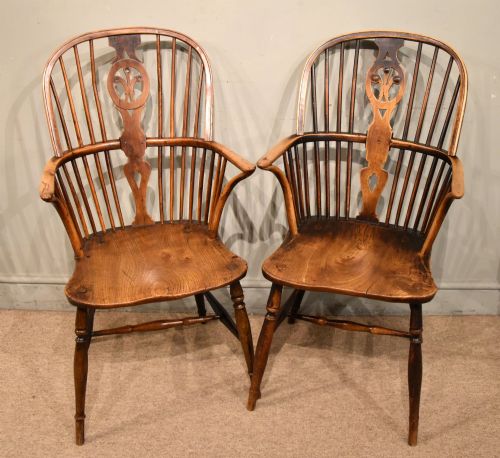
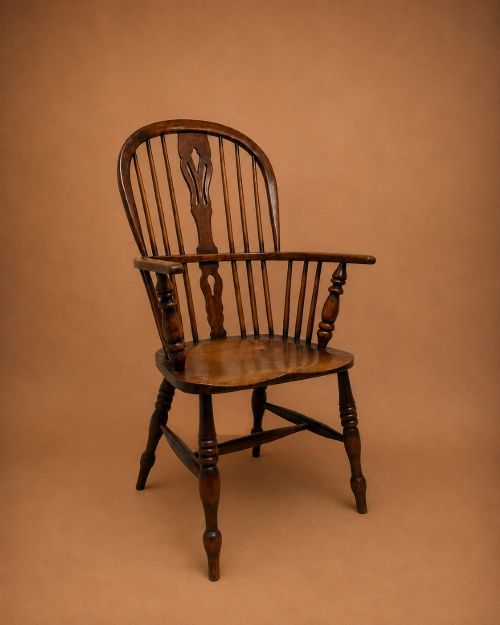
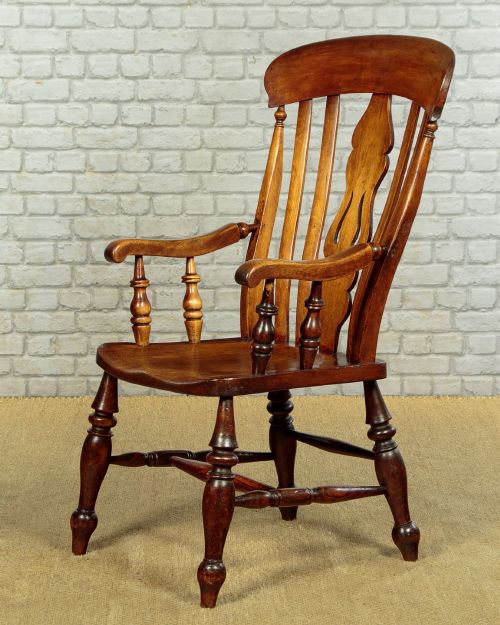
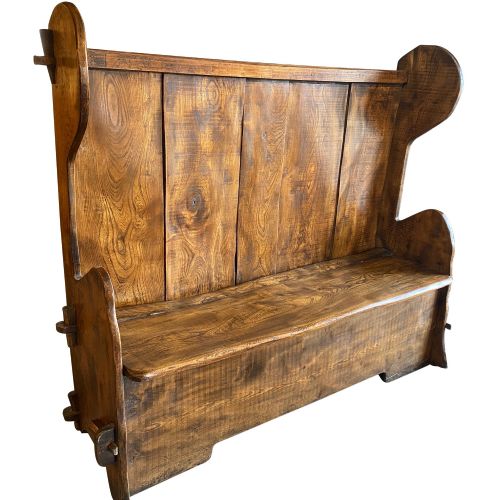
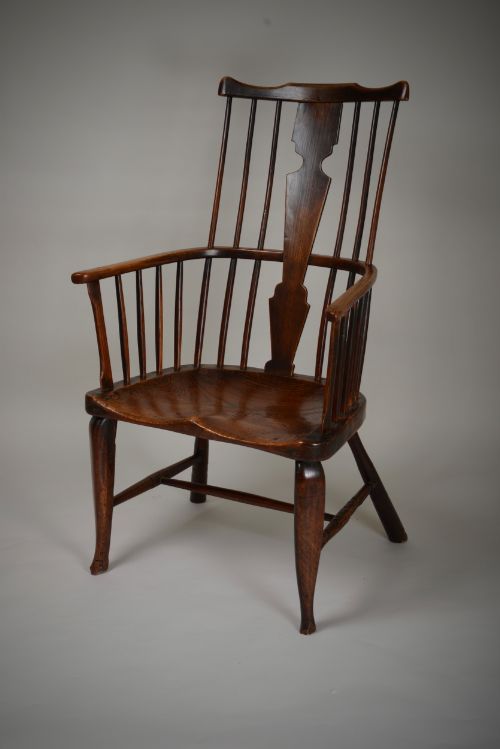
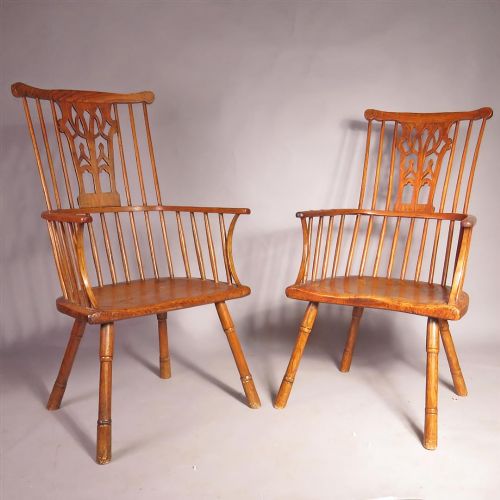
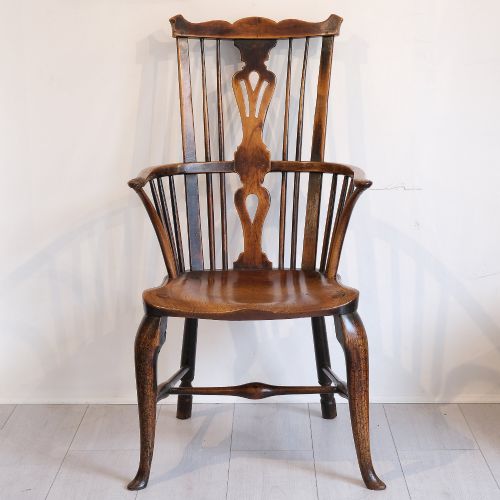
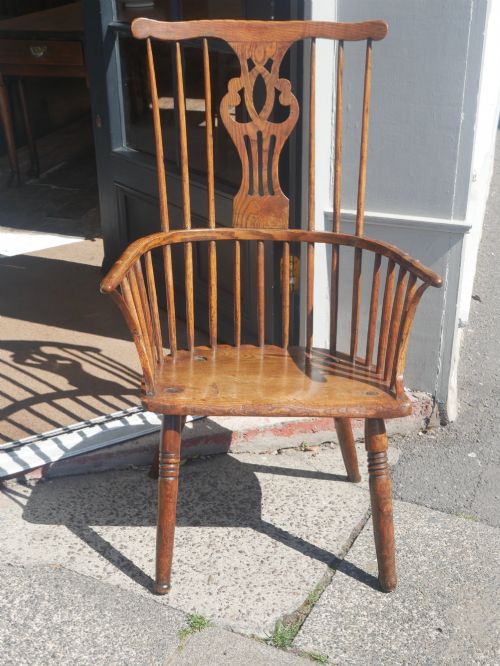
A country elm high chair is a piece of vernacular seating built for domestic life, appearing across the 18th century, 19th century, Georgian, and Victorian periods. These pieces include child seating variants alongside high-back Windsor armchairs shaped in English country workshops.
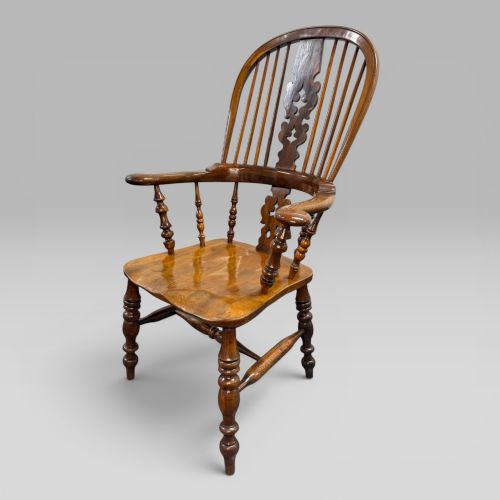
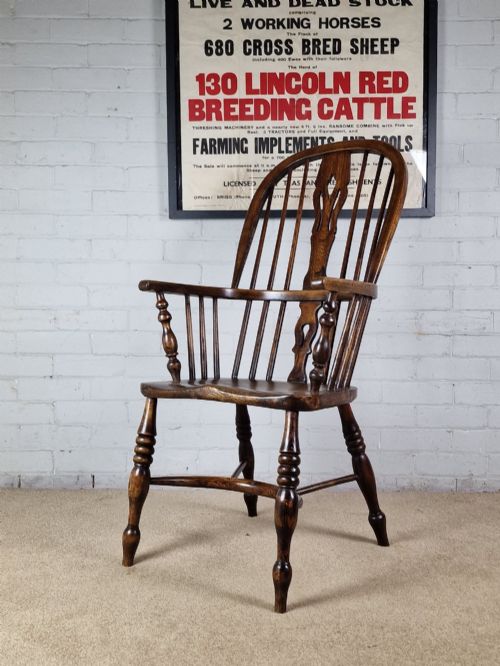
The version most commonly met on this page is the high-back Windsor chair, combining elm seats with ash, beech, or fruitwood spindles and frames. Regional variations range from West Country pieces to Lincolnshire workshops.
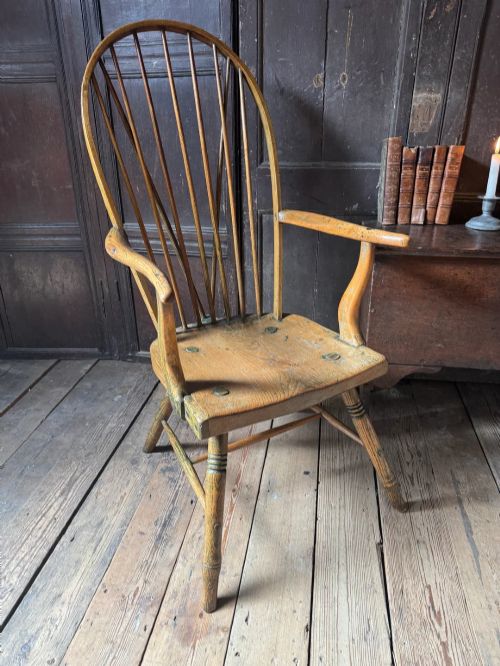
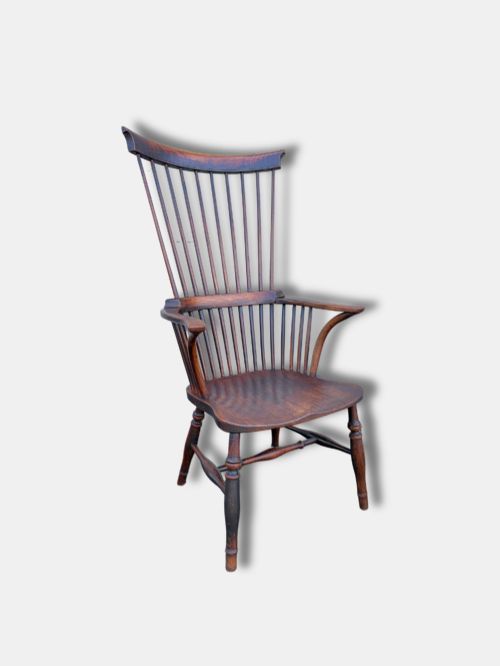
Makers utilised local timbers to build robust seating for farmhouses and kitchens, resulting in varied back styles such as comb backs, hoop backs, and lath backs.
Materials and construction
Makers shaped solid elm for the saddle seats because the interlocking grain resisted splitting under heavy use. This dense timber was combined with turned ash, beech, or fruitwood for the legs, bow, and spindles.
Frameworks relied on traditional stick and spindle joinery, where turned components were wedged into bored holes in the elm seat slab. Steam-bending techniques allowed craftsmen to form continuous high hoops and comb backs from single lengths of ash or fruitwood.
Listings feature elm paired with ash, beech, fruitwood, oak, and yew across Georgian, Victorian, and Edwardian periods.
Assessing quality and character
Quality rests in the balance of the timber selection and the retention of original surface patination. Elm seats with deep, thick saddle shovel-carvings display superior craftsmanship compared to flatter boards.
Well-proportioned spindle turnings and tight structural joints separate finer regional workshops from standard utility seating. Pieces that retain their original height, unaltered stretchers, and clear vernacular details command greater interest.
The Country Elm High Chair Glossary
- Comb back
- A Windsor chair style where the vertical spindles extend upward to support a horizontal top rail resembling a comb. This design emerged during the 18th century.
- Hoop back
- A continuous curved wooden bow that forms the back and armrests of a Windsor chair. Steam-bending allowed makers to create this strong structural arch.
- Vernacular
- Objects designed by local craftsmen for practical use rather than following strict high-style architectural rules. These pieces reflect regional materials and traditions.
- Saddle seat
- A wooden seat base carved into a concave, contoured shape resembling a riding saddle. This shaping provided comfort before upholstered cushions were added.
- Spindle
- A slender, turned wooden rod used to fill the space between the seat and the back bow. Spindles distribute weight and support the seated user.
Country Elm High Chair: Frequently Asked Questions
What is a country elm high chair?
A country elm high chair is a traditional piece of children's seating or high-back Windsor seating built from native timbers. These chairs were produced in regional English workshops during the Georgian and Victorian eras.
They combine a solid elm saddle seat with turned spindle backs and robust leg structures designed for everyday domestic life.
How do I date an antique elm chair?
Dating relies on examining construction methods, timber combinations, and the specific style of the backrest. 18th-century examples often feature fine comb backs and fruitwood elements, while late 19th-century pieces tend to use beech and ash alongside elm.
Tool marks, wear patterns on the footrests, and the method of wedging spindles into the seat also provide clues to the period of manufacture.
Are these chairs comfortable for daily use?
The ergonomic contouring of the wooden saddle seat makes these chairs surprisingly supportive for sitting. High backs offer firm support for the upper body and shoulders.
Placing a small cushion on the seat can add comfort while preserving the historic wood surface underneath.
How should I care for historic elm furniture?
Maintain the timber by keeping chairs away from direct heat sources and sudden humidity changes to prevent the wood from splitting. Clean surfaces gently with a soft, dry cloth.
Applying occasional microcrystalline wax helps nourish the dry elm and protects the original patination gathered over centuries.