
Country Cottage Painting
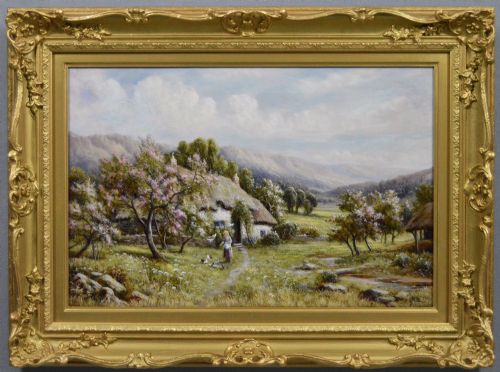
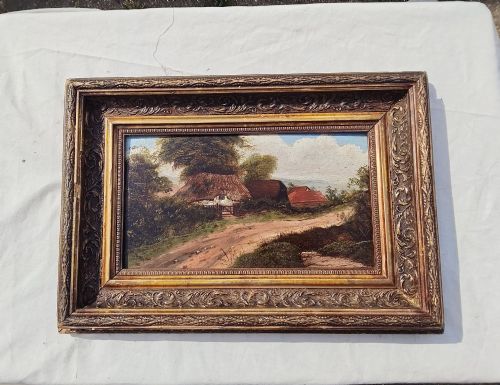
When you search for a country cottage painting, you encounter works capturing rural vernacular architecture and pastoral domesticity.
Country Cottage Painting
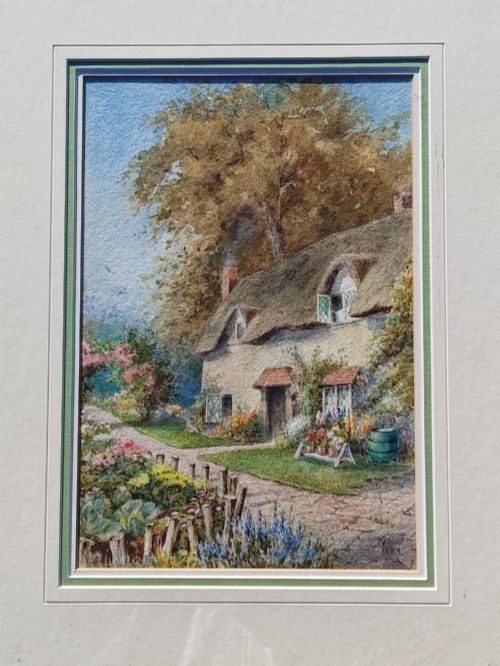
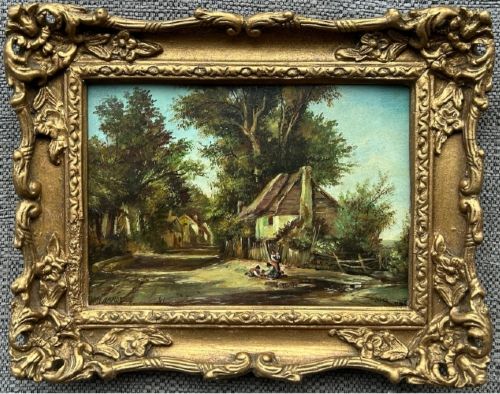
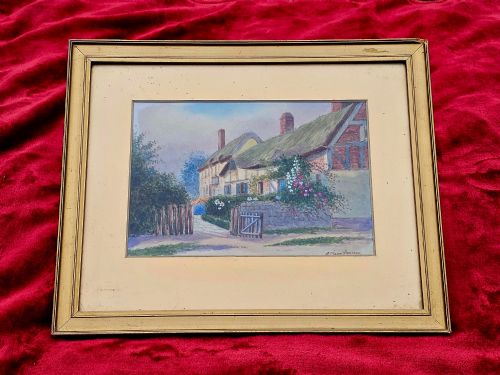
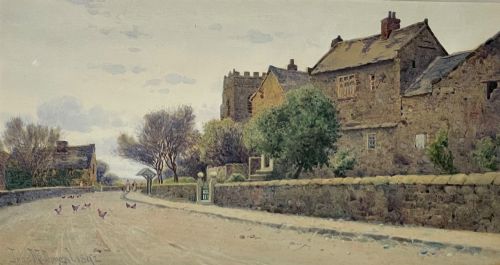
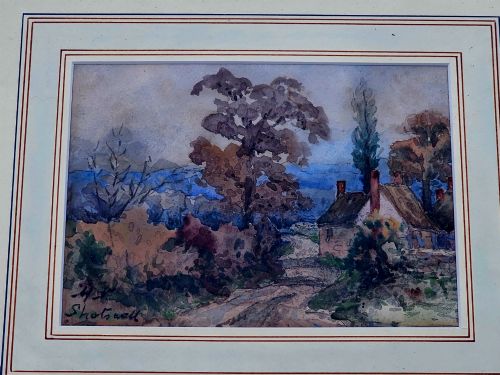
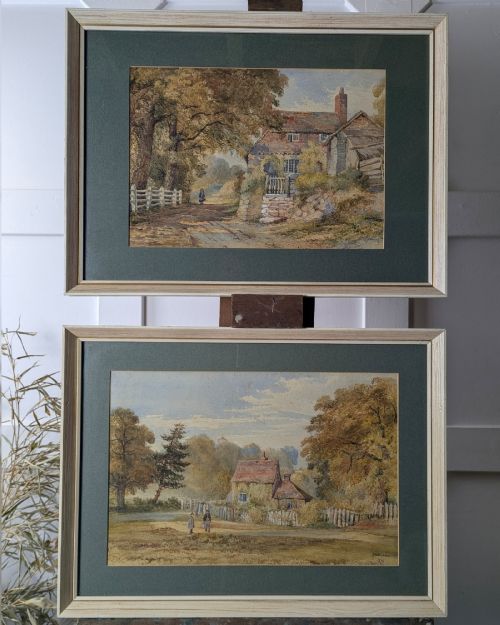
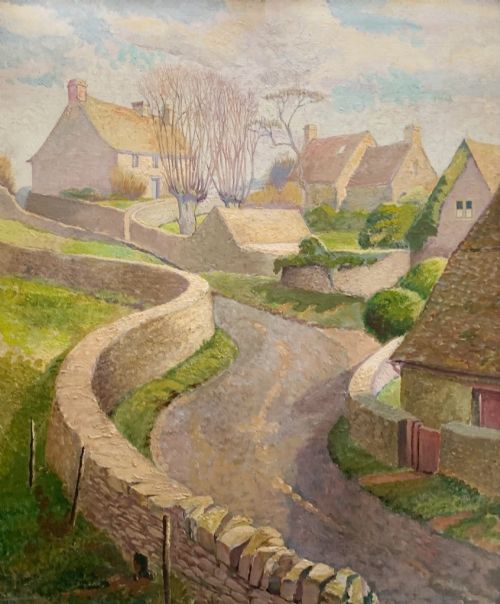
A country cottage painting portrays rural dwellings, rustic gardens, and pastoral landscapes set in the British countryside. These works record thatched cottages, farmsteads, and village lanes through the eyes of artists working across the nineteenth and twentieth centuries.
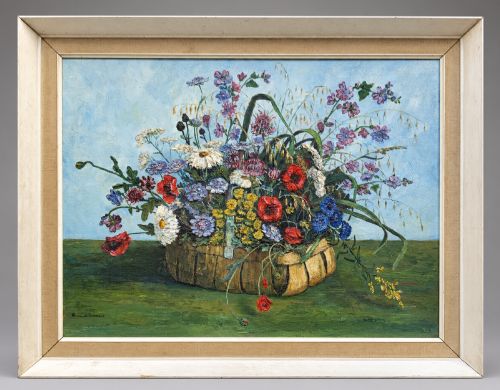
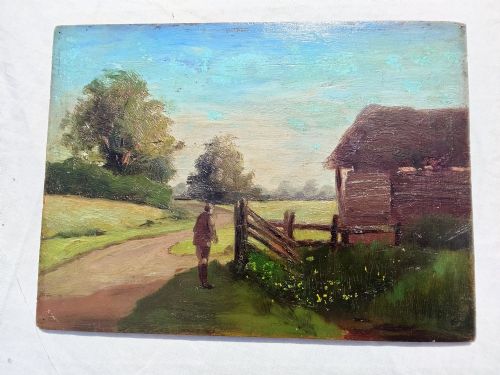
The versions most frequently found on this page include watercolours on paper and oil paintings on canvas, panel, or board. Many pieces present signed compositions by regional artists working within British Impressionist and pastoral traditions.
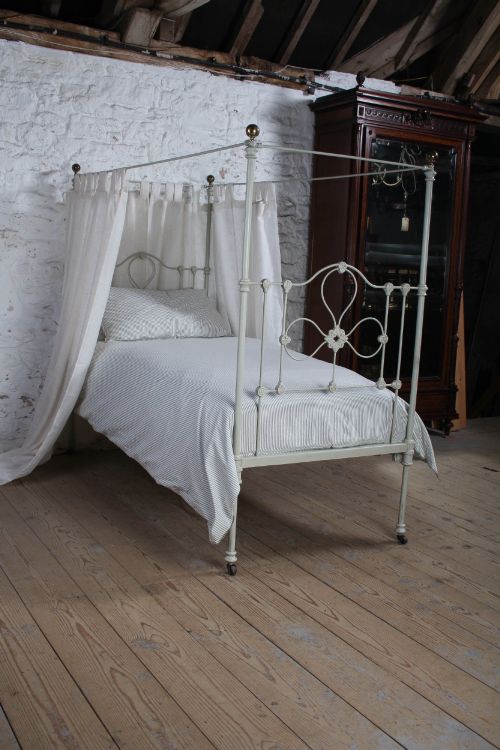
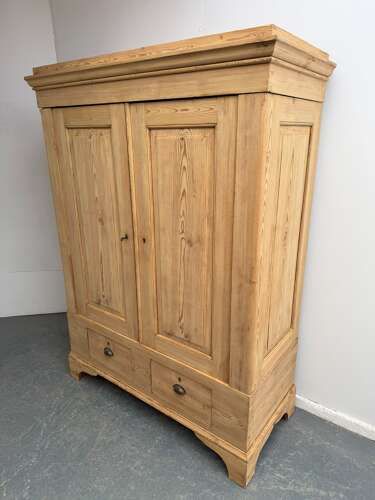
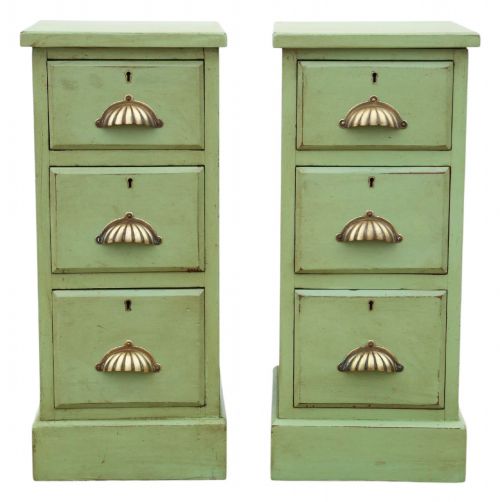
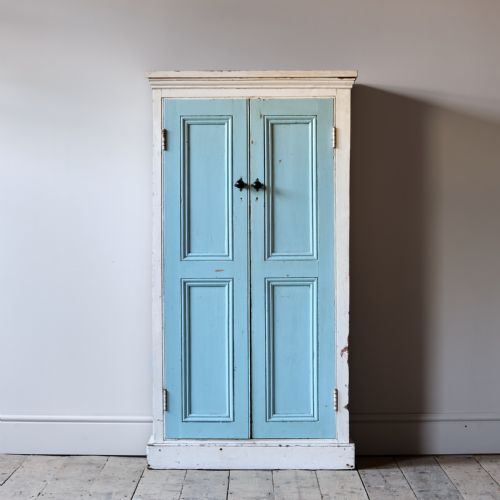
Beyond framed wall art, the selection encompasses related vernacular furnishings and decorative painted objects that share the same rural aesthetic. These domestic items reinforce the cottage theme through handcrafted woods and hand-painted floral motifs.
How they were made
Painters utilised oil paint applied to canvas, wooden panels, or card to build rich textures and deep tonal ranges. Watercolours on paper capture lighter, more translucent atmospheric effects of rural light.
Supports frequently include gilt wood frames and gesso mouldings that complement the period aesthetic of the artworks. Wooden panels and boards provide rigid grounds for early oils, whilst paper receives delicate washes of pigment.
Ducks, geese, and tethered ponies frequently wander into the margins of these pastoral scenes.
What varies in quality
The technical skill of the brushwork and the precision of perspective separate accomplished works from simpler naïve pieces. Hand-mixed pigments and stable supports demonstrate superior material choices by the artist.
Provenance and artist attribution elevate certain works, particularly when signed by documented painters of rural life. The integrity of the original frame and the preservation of the pigment layer also influence the standing of each piece.
William Howard Hardy·A. Marie Parsons·John McDougal·Robert A. Nottingham·Robert John Hammond·Howard Helmick·Percy Lancaster·George Morland·Charles Edward Wilson·J S Ainley·Frederick James Knowles·William Greaves·Theresa Stannard·Helena Maguire·Linnie Watt·Owen Bowen·Ernest Higgins Rigg·Edward William Cooke·David Woodlock·Georgina Lara·Amy Antill·David Bates·Robert Payton Reid·Charles James Parry
The Country Cottage Painting Glossary
- Watercolour
- A painting method where fine pigment is suspended in a water-based, translucent solution. Artists apply these washes onto paper to achieve luminous effects.
- Oil on Canvas
- Pigments mixed with drying oils applied to a stretched woven fabric support. This technique allows for blending and rich surface textures.
- Gesso
- A plaster-like mixture applied to wood or canvas as a prepared base for painting or gilding. It provides a smooth surface for decorative frames.
- Naive School
- Art produced by self-taught painters working outside academic traditions. These compositions emphasise directness and personal observation over strict perspective rules.
Country Cottage Painting: Frequently Asked Questions
What is a country cottage painting?
A country cottage painting is a visual representation of rural domestic architecture, typically featuring thatched roofs, garden paths, and pastoral landscapes.
These artworks record the changing appearance of the British countryside and village life across the nineteenth and twentieth centuries.
How do I date an old painting?
Dating involves examining the materials, such as the type of canvas, paper, or framing techniques used by the maker.
Signatures, artist records, and stylistic clues within the landscape also provide reliable chronological markers.
Where should I hang these artworks?
These paintings suit traditional living spaces, studies, or hallways where natural light complements their rural subject matter.
Keeping them away from direct sunlight preserves the pigments in both the watercolours and the oil paintings.
Are watercolours fragile?
Watercolours on paper are sensitive to ultraviolet light and excessive moisture due to their water-soluble pigments and paper supports.
Glazing with protective glass and proper framing shields the delicate washes from environmental damage.