


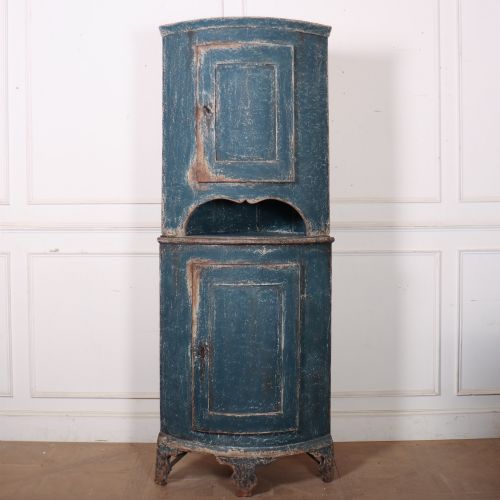


Country Corner Cabinet
These country corner cabinets turn dead architectural space into useful display, offering solid vernacular storage built to last.
Country Corner Cabinet
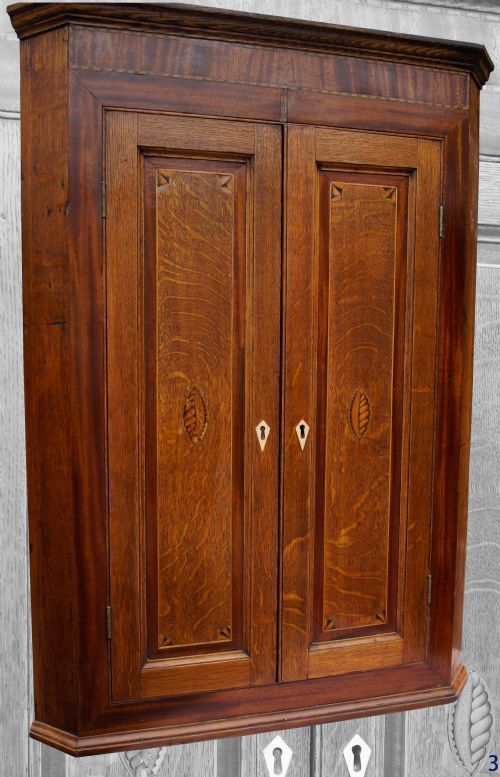
A country corner cabinet provides efficient storage designed specifically to fit the awkward junction of two room walls. These pieces make use of forgotten angles while anchoring the room with architectural presence.
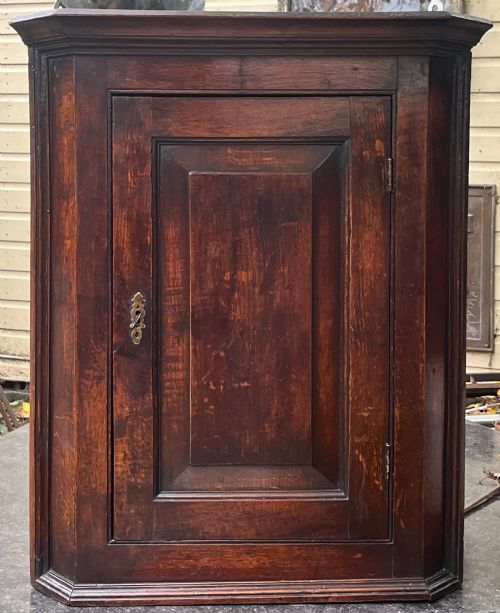
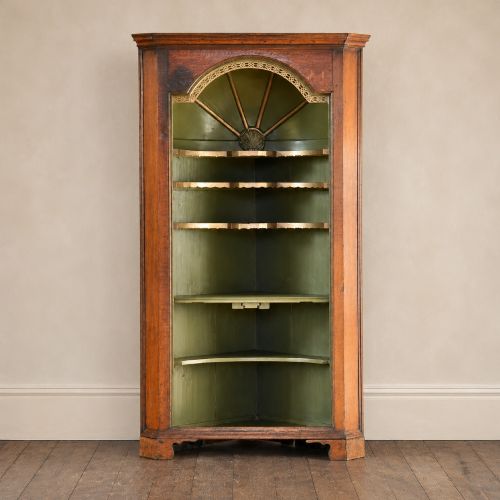
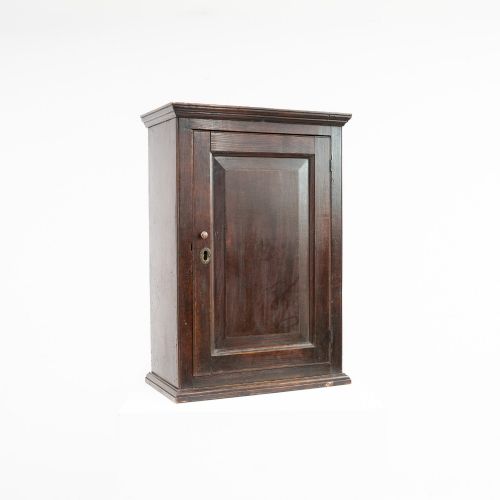
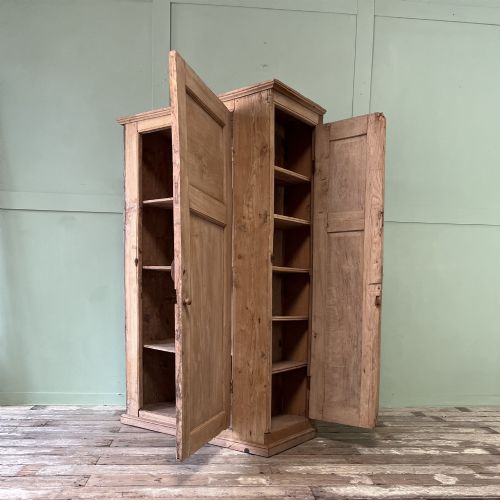
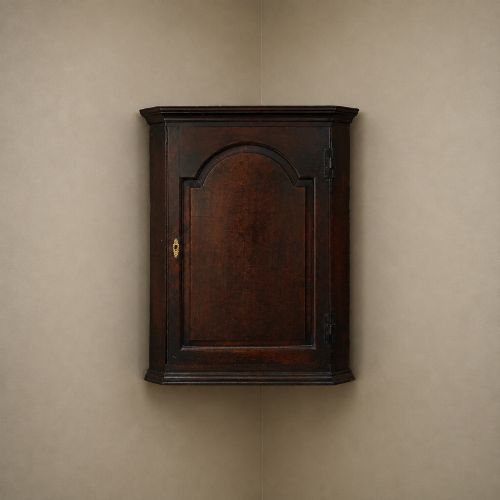
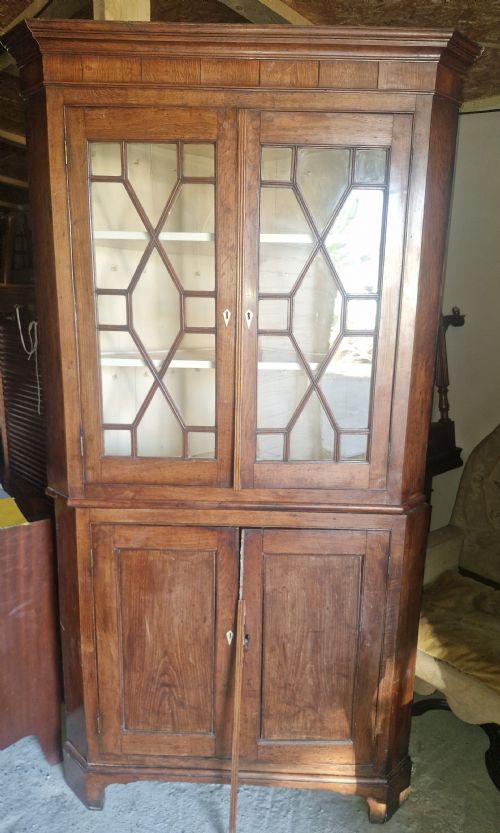
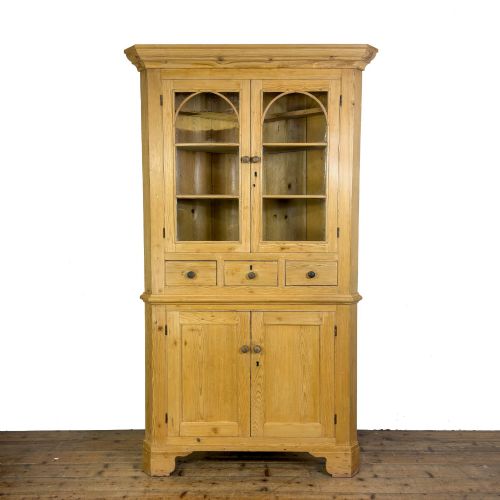
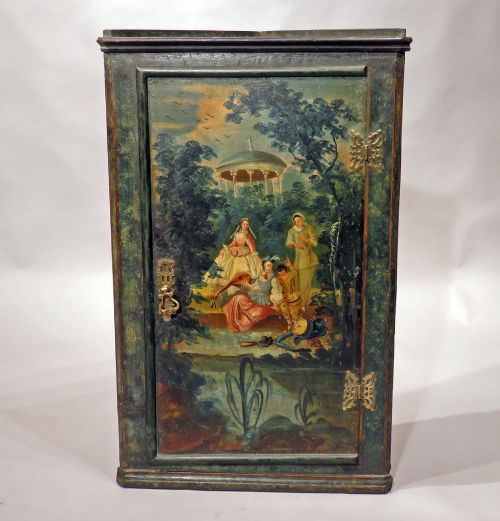
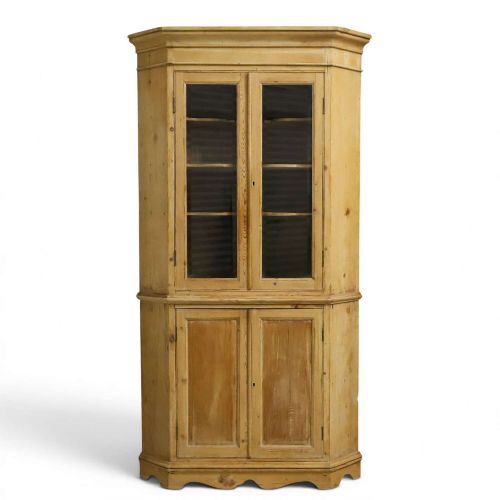
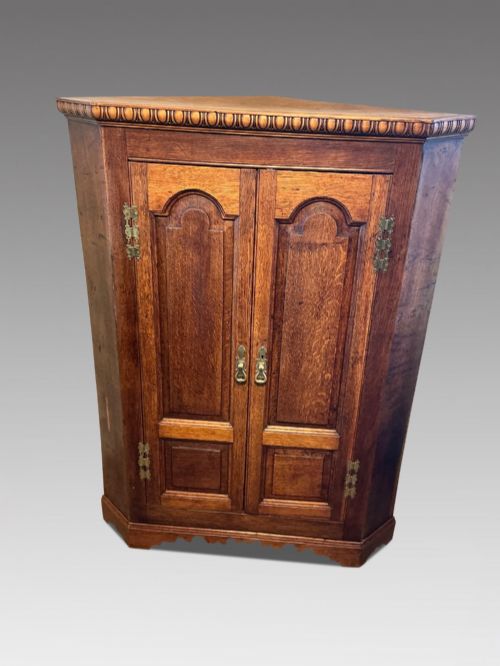
The most common examples on this page are wall-hanging or floor-standing cupboards constructed from sturdy timber such as oak or pine. Many feature single panelled doors, while others incorporate glazed upper sections for displaying household wares.
Originating largely from domestic and rural settings, these cabinets display regional vernacular characteristics rather than formal metropolitan polish. They bridge the gap between simple utility and decorative provincial furniture.
Materials and Construction
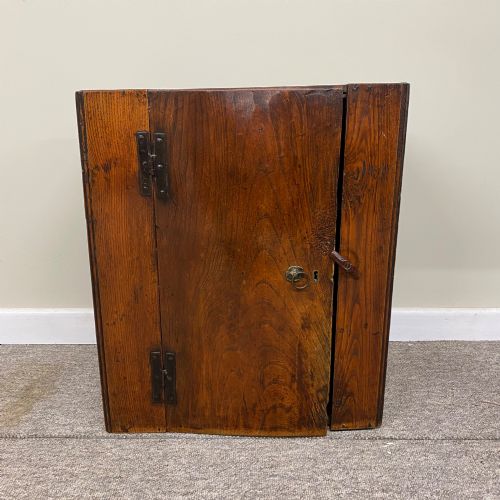
Makers relied heavily on native timbers like oak and pine, frequently selecting pitch pine or elm depending on the local availability of wood. These dense woods provided the structural integrity needed for heavy domestic service over centuries.
Joinery methods focused on durability, employing pegged joints, panelled doors, and sturdy shelving built to bear substantial weight. Surfaces were often left bare, painted, or stripped down, reflecting the practical domestic traditions of their makers.
Country Corner Cabinet Retail Price Guide 2026
Typical asking prices for country corner cabinet among the pieces listed under this phrase on Sellingantiques today, from the lower quarter to the upper quarter. They describe what is for sale here now, not the wider market.
Some corner cupboards preserve startlingly bright original painted interiors, offering a cheerful splash of colour hidden behind sober exterior timbers.
Distinguishing Quality
Quality in a country corner cabinet rests on the honesty of the timber and the integrity of the original construction rather than elaborate decoration. Pieces retaining their early paint surfaces or original brass H-hinges carry greater historical authority.
Proportion and timber selection separate simpler utility cupboards from finer provincial pieces. Grain matching on panelled doors and well-balanced cornices indicate a maker taking pride in standard vernacular work.
The Country Corner Cabinet Glossary
- Vernacular furniture
- Everyday objects made by local craftsmen for regional use rather than high-style metropolitan workshops. These pieces reflect local tastes and available materials.
- Hanging cupboard
- A cabinet designed to be mounted directly onto a wall rather than standing on the floor. This format saved valuable floor space in smaller domestic rooms.
- Two-part form
- A cabinet constructed in separate upper and lower sections stacked together. This modular approach made heavy floor-standing cupboards easier to transport into older houses.
- Crossbanding
- A decorative border of veneer laid around the edge of a panel with the grain running perpendicular to the centre. This technique adds subtle contrast to the primary timber.
- Glazed door
- A door fitted with glass panes to allow the contents of the cabinet to be viewed. These doors frequently appear on pieces intended for displaying china or glassware.
Country Corner Cabinet: Frequently Asked Questions
Where should I hang a corner cabinet?
These wall-hanging units suit dining rooms, kitchens, or hallways where floor space is limited. Mount them securely into wall studs given the weight of solid oak or pine construction.
Positioning them at a comfortable eye level ensures easy access to interior shelves while balancing the visual weight of surrounding furniture.
How do I care for antique pine furniture?
Keep wooden pieces away from direct heat sources and drastic humidity changes to prevent timber movement. Regular dusting with a dry cloth maintains the surface finish.
Avoid harsh modern cleaning sprays that can strip or damage older waxed or painted finishes found on rural cupboards.
Are these cabinets difficult to install?
Wall-hanging versions require solid fixings due to the substantial weight of period timber and glass doors. Floor-standing models simply require a level surface against intersecting walls.
Older walls can be uneven, so small shims may be necessary to ensure doors hang straight and close evenly.
How can I tell the age of a cupboard?
Examine the construction methods, nail types, and hinge styles used in the assembly. Hand-cut boards and pegged joints typically point towards eighteenth or early nineteenth-century craftsmanship.
Secondary woods at the back and interior surfaces often provide further clues about the regional workshop and period of origin.