


Country Blanket Box
A country blanket box provides robust storage with centuries of practical utility and rugged timber character.
Country Blanket Box
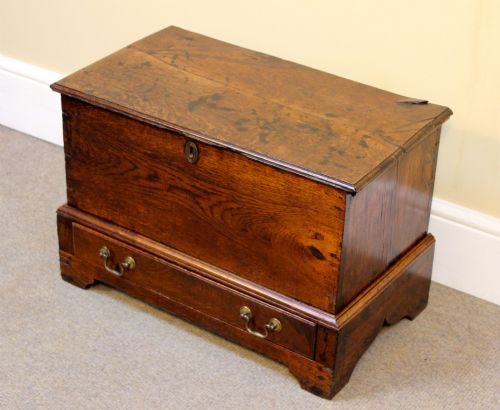
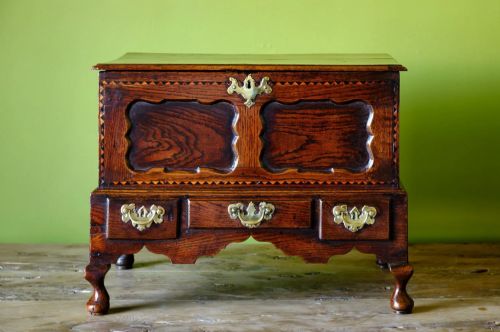
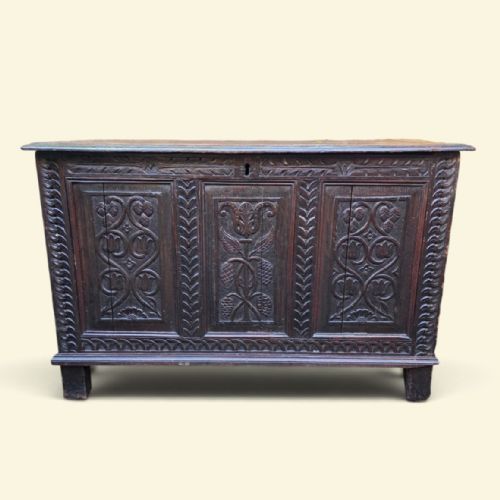
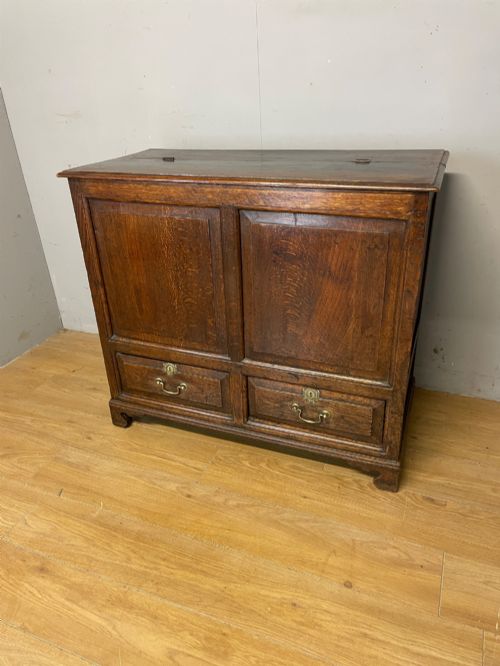
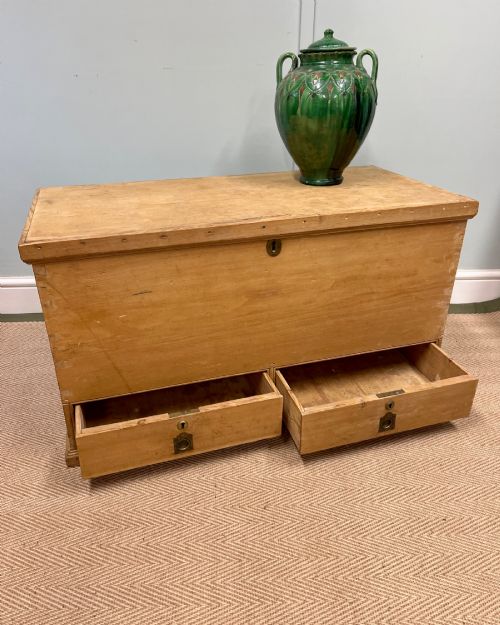
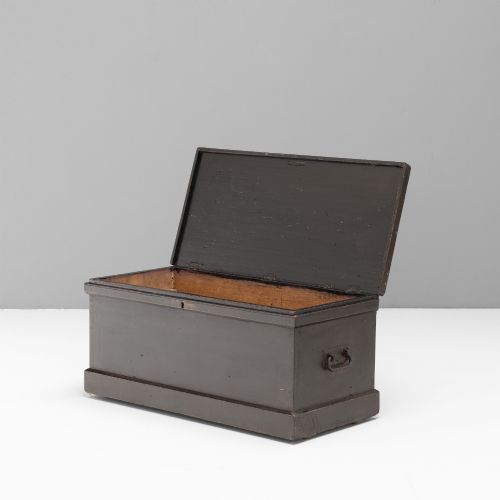
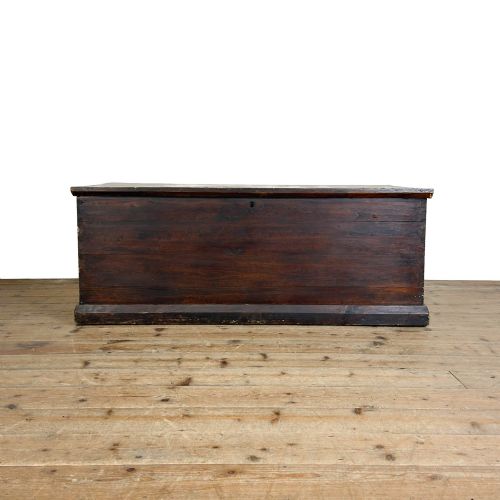
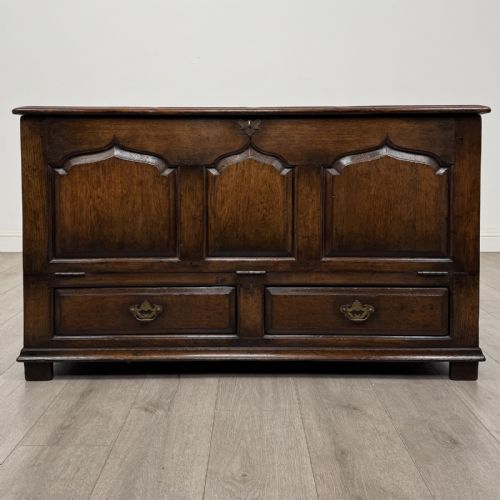
A country blanket box is a sturdy storage chest designed for domestic use, frequently found in regional styles from Britain and Europe. These pieces range from simple six-plank constructions to elaborate mule chests fitted with lower drawers.
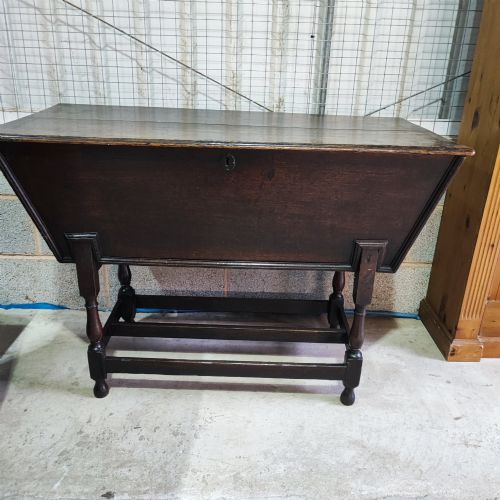
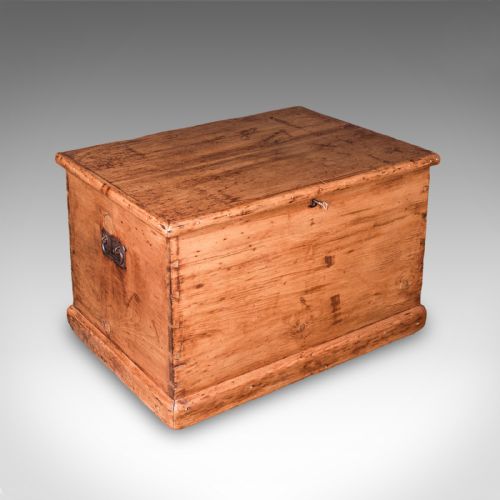
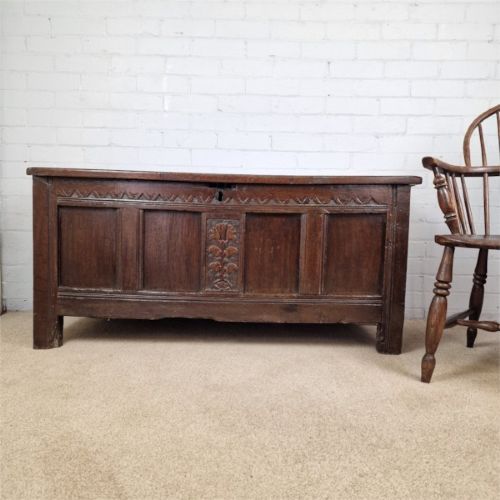
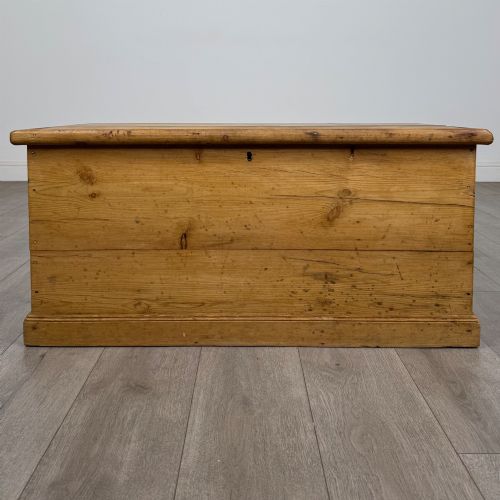
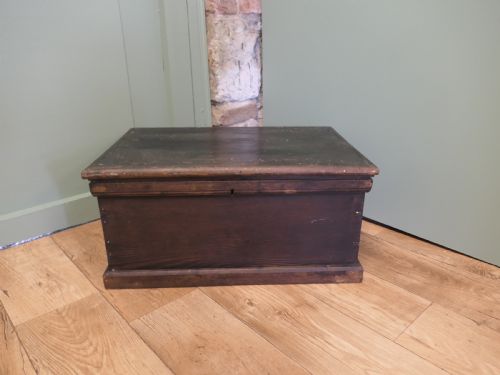
The versions most commonly met on this page span the 17th, 18th and 19th centuries, reflecting durable vernacular traditions. They appear in forms such as boarded coffers, joined chests and pine storage trunks.
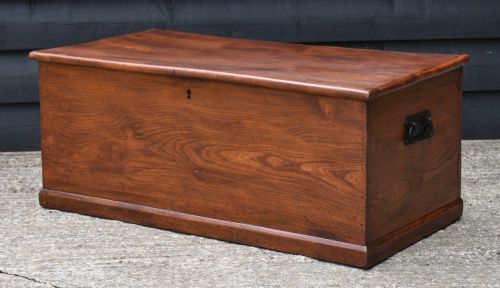
Materials vary according to local availability and utility, incorporating native hardwoods and softer conifers. Makers utilised timber like oak, elm and pine, sometimes enhancing the exterior with paint or simple iron hardware.
How they were made
Construction methods relied on traditional joinery techniques suited to heavy daily use. Carpenters utilised boarded joints, six-plank assemblies and joined framing to build rigid timber carcasses that resisted warping.
Selection of timber dictated the final appearance and durability of each piece. Workshops worked extensively with English oak, elm and pine, often leaving the wood waxed or applying a painted finish.
Hardware and functional elements such as side handles, hinges and locks were fashioned from iron and brass. These practical fixings secured the lids and allowed the heavy chests to be moved around domestic interiors.
Country Blanket Box Retail Price Guide 2026
Typical asking prices for country blanket box among the pieces listed under this phrase on Sellingantiques today, from the lower quarter to the upper quarter. They describe what is for sale here now, not the wider market.
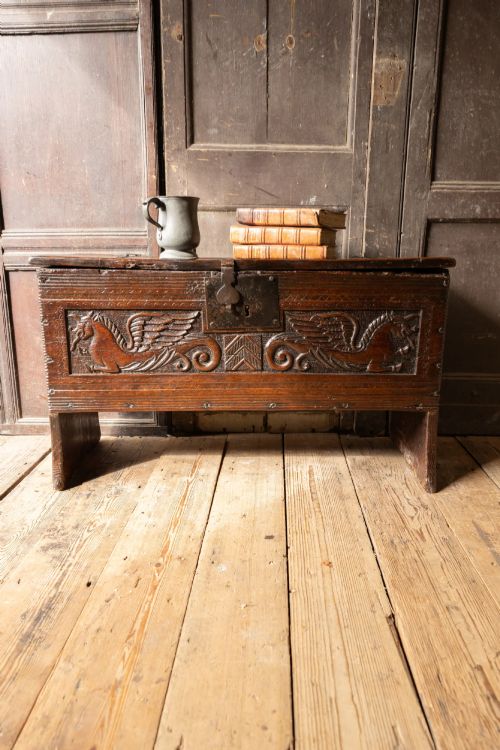
Carved winged fantastic beasts peer out from a 16th-century West Country boarded chest.
What varies in quality
Quality in a country blanket box depends upon the integrity of the original construction and the survival of its timber. Superior examples retain their primary boards, original base plates and uncompromised internal structures.
The depth of patination and surface treatment distinguish finer pieces from standard utilitarian examples. Rich wax finishes, original paint layers and well-preserved surface textures elevate the visual appeal of older oak and pine items.
The Country Blanket Box Glossary
- Mule chest
- A storage chest featuring one or more drawers built into the base beneath the main compartment. This form bridges the gap between a traditional coffer and a chest of drawers.
- Six-plank coffer
- A primitive form of chest constructed from six principal boards pinned together with pegs or nails. It represents one of the earliest surviving domestic furniture formats.
- Joined coffer
- A chest built using a frame-and-panel technique rather than simple boards. This method accommodated seasonal timber shrinkage and allowed for more sophisticated ornamentation.
- Boarded chest
- A simple storage box made by fixing thick planks directly to one another at the edges. These pieces rely on sturdy end boards to maintain structural stability.
- Patina
- The deep surface sheen and coloration developed by wood over decades of handling and waxing. A desirable patina signals genuine age and consistent care.
Country Blanket Box: Frequently Asked Questions
What is a country blanket box used for?
These chests were historically utilised for storing household textiles, blankets and personal belongings in domestic settings.
Today, they function as versatile living room or bedroom storage that conceals clutter while adding historic character to an interior.
How do I date an old pine trunk?
Dating relies on observing construction details, tool marks, timber selection and the presence of original hardware or paint finishes.
Earlier examples often feature hand-wrought iron hinges and joined framing, whereas later 19th-century pieces utilise machine-sawn pine boards.
Are oak coffers hard to maintain?
Oak is a remarkably durable hardwood that requires very little intervention beyond occasional dusting and light waxing.
Avoiding direct sunlight and excessive humidity keeps the timber stable and preserves the natural surface sheen.
What is the difference between a coffer and a mule chest?
A standard coffer consists of a single lidded compartment accessed entirely from the top.
A mule chest incorporates one or more drawers beneath the main storage well, offering easier access to smaller items.