






Countertop Display Box
A countertop display box puts small treasures and shop goods in clear view.
Countertop Display Box
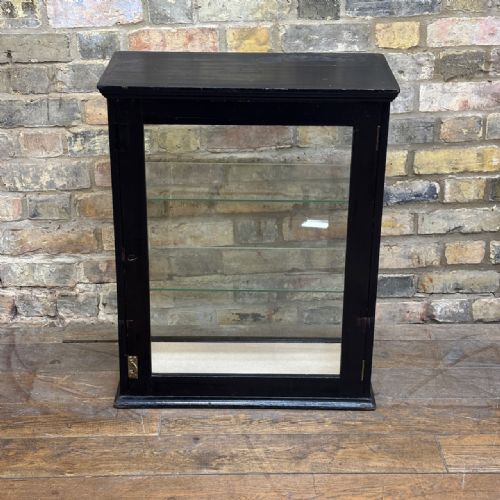
A countertop display box is a glazed cabinet designed to sit on a shop counter or table. These pieces range from Victorian examples in mahogany and oak to early twentieth-century commercial pieces.
Buyers will most frequently encounter glazed wooden cabinets and cases from the Victorian, Edwardian, and nineteen-twenties periods. Many of these items served trades like confectioners, haberdashers, and watchmakers.
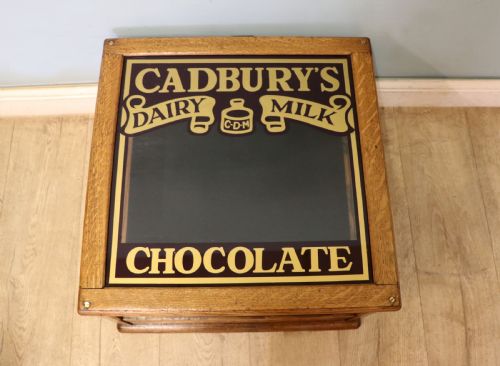
The forms vary from simple tabletop boxes to specialised haberdashery and sweet shop cabinets. Some retain maker marks or original sign-writing for chocolate and cotton brands.
How they were made
Makers constructed these cabinets using sturdy timbers such as mahogany, oak, and general wood, paired with large glass panes to showcase contents. Brass fittings often secure doors and hinges.
Interiors frequently feature linings of felt or velvet to protect delicate items like jewellery and watches.
Countertop Display Box Retail Price Guide 2026
Typical asking prices for countertop display box among the pieces listed under this phrase on Sellingantiques today, from the lower quarter to the upper quarter. They describe what is for sale here now, not the wider market.
Some chocolate cabinets carry the sweet ghosts of Cadbury, Fry, and Rowntree long after the last sweet was sold.
What varies in quality
Quality shows in the choice of timber and the precision of the glazed framing. Cabinets built for specific trades often display finer joinery than generic utility boxes.
Original details like maker signatures or period sign-writing distinguish exceptional commercial pieces from simpler restored examples.
Manoah Rhodes & Sons Ltd·Rowntree’s Chocolates·Fry’s·Cadburys Chocolate·Chadwick’s Sewing Cottons
The Countertop Display Box Glossary
- Glazed
- Fitted with glass panes. This allows the contents of the cabinet to be viewed while protected from dust.
- Haberdashery
- Pertaining to the sale of small sewing goods and clothing accessories. Cabinets from this trade often feature multiple drawers or compartments.
- Apothecary
- Pertaining to the preparation and sale of medicines. These cabinets typically held small phials and medical items.
- Countertop
- Designed to sit upon a shop counter. This placed goods at eye level for customers.
Countertop Display Box: Frequently Asked Questions
What were countertop display boxes used for?
Shopkeepers utilised these glazed cabinets to showcase small merchandise securely on counters. Customers could easily view items such as chocolates, sewing cottons, and jewellery.
Specialised trades relied on fitted interiors to organise delicate stock while keeping goods visible and clean.
How do I date a display box?
Dating relies on timber choices, construction techniques, and period styles like Victorian or Edwardian. Maker plaques and original trade sign-writing also help pinpoint the era.
Earlier pieces often feature solid mahogany and hand-cut joints, whereas nineteen-twenties examples reflect commercial branding.
Where should I place a display box at home?
These cabinets suit tabletops, sideboards, or desks where their glass panels can catch the light. They protect small collections from dust while keeping them visible.
Placing them away from direct sunlight preserves the timber and any internal velvet or felt linings.
Are all display boxes lined with fabric?
Not all boxes feature fabric linings, as many shop cabinets rely on plain wood or glass bases. Jewellery and watchmaker cabinets more frequently use velvet or felt.
Linings varied according to the original commercial purpose of the specific piece.