



Copper Wine Bucket
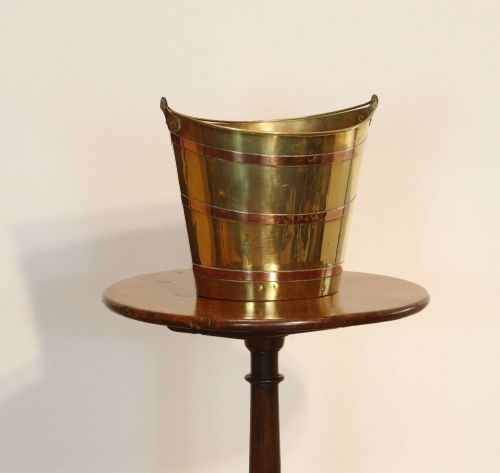
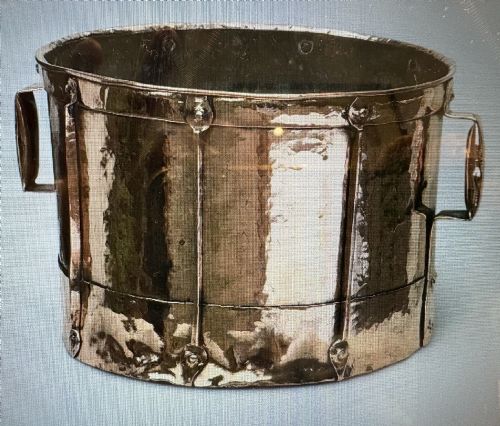
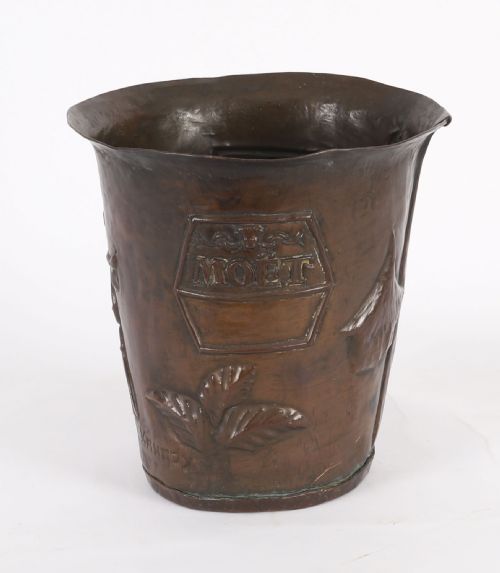
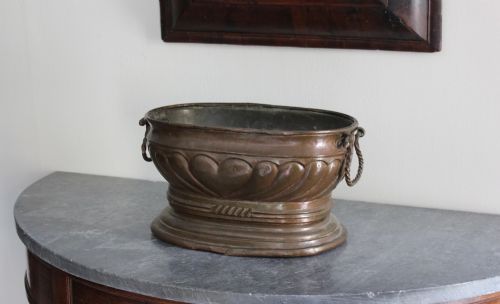
These copper wine bucket examples range from early French grain measures to Victorian and Arts and Crafts vessels.
Copper Wine Bucket
A copper wine bucket serves as a practical vessel for chilling bottles at the table, drawing on forms made across the eighteenth and nineteenth centuries. You encounter French wine coolers, Italian wine cisterns, and British Arts and Crafts pieces alongside utilitarian grain measures adapted for the purpose.
The objects span varied domestic roles, appearing as jardinieres, planters, and ice buckets in listings from the Georgian era through to the nineteen-twenties. Early Dutch brass coolers and French provincial vessels sit alongside walnut and oak pieces mounted in metal.
Makers and workshops across Britain, France, and Italy produced these containers, utilising metalworking traditions that bridge utilitarian storage and formal dining display.
How they were made
Makers hammered and joined copper sheets by hand, often incorporating brass handles, rims, and feet to reinforce the structure. Iron and tin appeared in fixings or linings, while walnut and oak provided coopered staves for wood-and-metal variants.
Silver plating on copper was applied by workshops such as Barker Ellis, using methods like Old Sheffield plating to create a durable dual-metal finish.
Copper Wine Bucket Retail Price Guide 2026
Typical asking prices for copper wine bucket among the pieces listed under this phrase on Sellingantiques today, from the lower quarter to the upper quarter. They describe what is for sale here now, not the wider market.
Some Scottish clan vessels travelled further than their owners, ending up guarding ice rather than grain.
What varies in quality
The calibre of a piece depends on the weight of the metal and the integrity of the hand-hammering or dovetailing visible at the seams. Heavier gauges of copper maintain their structural rigidity better over centuries of use.
Decorative detailing distinguishes standard vessels from exceptional examples, such as cast brass mounts, heraldic crests, or refined silver-plate surfaces that survive in crisp condition.
Barker Ellis·Napier Clan
The Copper Wine Bucket Glossary
- Jardinier
- A decorative ornamental container designed to hold plants, often sharing identical forms and materials with wine buckets.
- Wine Cistern
- A large basin, typically eighteenth-century Italian or English, intended for holding multiple bottles and ice.
- Old Sheffield Plated
- A fused composite material made by heating a sheet of silver to a copper base, prevalent in items from around eighteen hundred.
- Coopered
- Built from wooden staves bound together with metal hoops, a technique shared by peat buckets and specialised planters.
Copper Wine Bucket: Frequently Asked Questions
How do I date a copper wine bucket?
Dating relies on observing construction methods, handle attachments, and stylistic markers such as Rococo Revival curves or Arts and Crafts hand-hammering. Eighteenth-century examples often display heavy hand-beating and distinct patination compared to later nineteenth-century pieces.
Markings, stamps, or the presence of Old Sheffield plating also point towards specific manufacturing periods like nineteen hundred or c1800.
Were these buckets originally used for wine?
Many served as dedicated wine and champagne coolers or ice buckets, while others began life as French grain measures or utilitarian vessels. Their robust metal construction and waterproof nature made them suitable for holding ice and bottles.
Over time, owners repurposed grain measures, jardiniere bowls, and planters to hold wine at the table.
Can I use an antique bucket for ice today?
Most antique copper and brass vessels remain entirely suitable for holding ice and chilling wine during dinner parties. The durable metal alloys and soldered seams were designed to contain liquids and moisture.
Inspecting the interior for old linings or modern sealant helps ensure the vessel holds water without seepage.
How do I clean antique copper?
Preserving the aged patination is standard practice among collectors, avoiding harsh chemical cleaners that strip away centuries of oxidation. Gentle washing with warm soapy water removes surface dust while keeping the dark tones intact.
Polishing is typically restricted unless a bright brass or copper finish is specifically desired on decorative mounts.