



Copper Sculpture
Copper sculpture brings substantial weight and warm metallic tone to a room, ranging from folk art weather vanes to classical figures.
Copper Sculpture
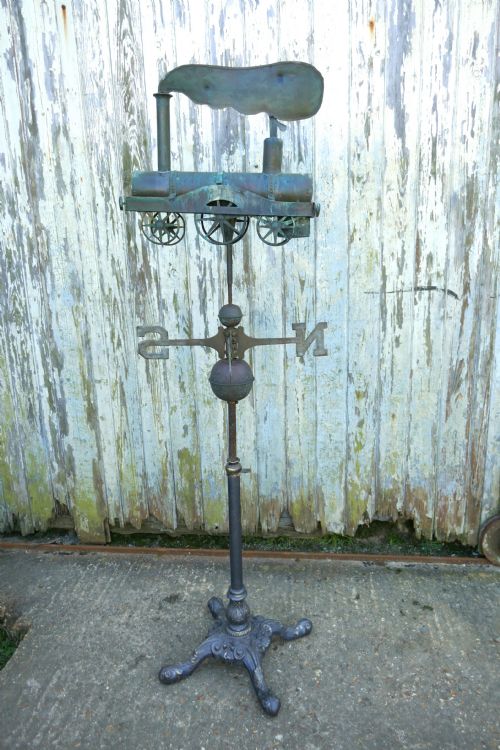
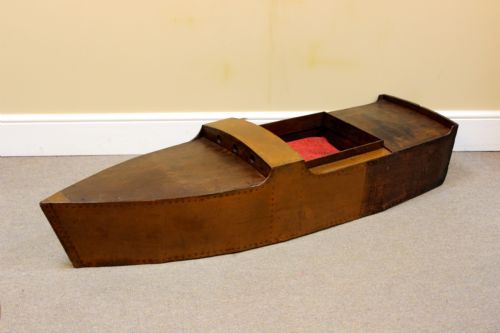
A copper sculpture selection encompasses practical trade signs, rooftop weather vanes, nautical models, and figurative works across several centuries. You encounter folk art interpretations alongside religious bronzes and alloy figures originating from various global traditions.
The objects span pre-sixteenth century shrines, eighteenth-century engravings, nineteenth-century trade pieces, and twentieth-century decorative items. Weather vanes depicting cockerels and large trade signs represent the prominent forms discovered on this page.
Materials and construction methods
Makers utilised copper, bronze, brass, and copper alloy, frequently combining these metals with iron, wood, and stone bases. Metal sheeting was beaten, riveted, or shaped over moulds to create hollow weather vanes and architectural ornaments.
Inlaid silver details decorate early shrines and figures, while other pieces employ cast metal construction, patination, or surface glazing. Artisans applied hand-beating, carving, and engraving techniques depending on whether the piece served a maritime, religious, or commercial purpose.
Copper Sculpture Retail Price Guide 2026
Typical asking prices for copper sculpture among the pieces listed under this phrase on Sellingantiques today, from the lower quarter to the upper quarter. They describe what is for sale here now, not the wider market.
Listings feature items spanning the 15th to the 20th century, utilising copper, bronze, brass, iron, and wood.
Assessing craftsmanship and condition
Quality rests in the precision of the metalworking, the integrity of the surface patination, and the clarity of sculptural detail. Pieces retaining their original weathered exterior or deliberate hand-chased ornamentation demonstrate superior artistic intent.
Commercial trade signs and weather vanes exhibit varying degrees of structural robustness and surface wear accumulated through outdoor exposure. Finer devotional figures display intricate inlay work and careful proportions that distinguish them from simpler decorative objects.
The Copper Sculpture Glossary
- Weather vane
- A moveable instrument placed on roofs to show the direction of the wind, often fashioned as animals or ships in sheet copper.
- Trade sign
- A large physical object displayed outside a shop to advertise the business or trade conducted within, commonly constructed from metal.
- Copper alloy
- A mixture containing copper combined with other metals such as zinc or tin, frequently used for ancient and tribal figures.
- Relief
- A wall-mounted sculptural technique where the figures project from a flat background rather than existing in the round.
Copper Sculpture: Frequently Asked Questions
How do I hang a heavy copper wall relief?
Heavy wall reliefs require sturdy fixings anchored directly into wall studs or masonry to support the considerable weight of the metal.
Consult a professional installer if the piece lacks integrated hanging loops or mounting brackets to ensure safe suspension.
Can copper weather vanes stay outside?
Weather vanes were originally designed for exterior placement on roofs and steeples where they could catch the wind.
Exposing them to the elements continues the natural oxidation process, though some collectors prefer to bring fragile antique pieces indoors.
What is the difference between copper and bronze?
Copper is a pure metallic element known for its malleability and warm reddish-brown colour, while bronze is an alloy of copper and tin.
Bronze offers greater rigidity and durability, making it the preferred choice for detailed cast figures and classical statues.
How should I clean an antique copper sculpture?
Dust the surface gently with a soft, dry cloth to remove surface particles without disturbing the underlying metallic finish.
Avoid chemical polishes and abrasive cleaners, as removing the aged patina can diminish the historical character and value of the object.