




Copper Portrait Frame
These copper portrait frame items bring striking metallic warmth and historic depth to portraits, pairing enduring metals with centuries of portraiture.
Copper Portrait Frame
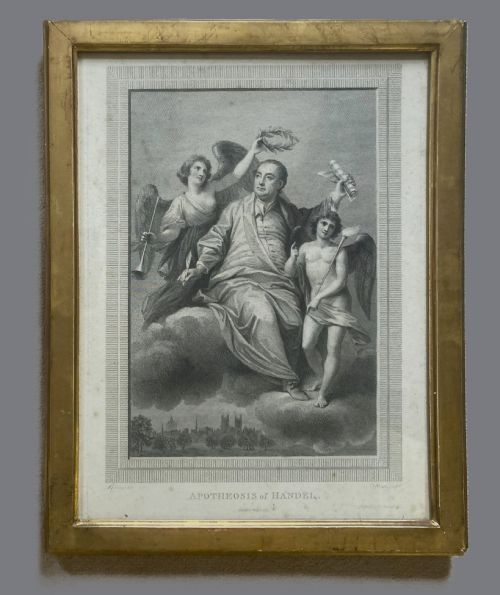
When buyers search for copper portrait frame options, they encounter a diverse array of framed prints, oil paintings on copper, and enamel plaques spanning from the seventeenth century through the art deco era. These items combine rigid metal supports or surrounds with detailed portraiture, capturing historical figures and classical scenes.
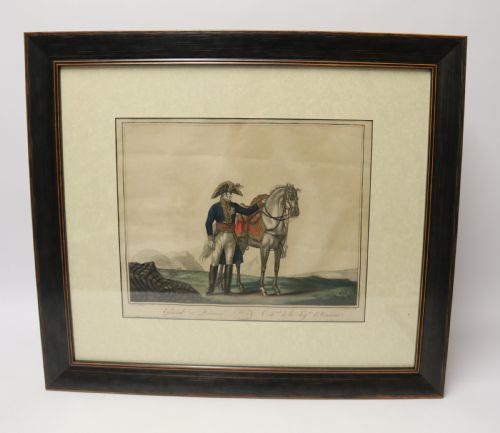
The selection on this page leans heavily towards eighteenth-century enamel and metal works, alongside nineteenth-century Napoleonic prints and twentieth-century interpretations. Buyers frequently meet oval plaques, framed prints, and free-standing picture frames utilising materials like brass, gilt wood, and glass alongside the foundational copper.
Materials and construction methods
Maker techniques rely upon hammering, shaping, and joining copper with supporting elements such as wood, brass, and gilt frames to house delicate imagery. Enamel plaques fuse powdered glass directly onto a copper base through intense kiln firing, creating permanent glossy surfaces.
Artists painted directly onto prepared copper sheets for oil portraits, or used engraving and drypoint etching techniques on paper protected beneath glass. These methods ensure that the metallic support interacts structurally and visually with the ink, paint, or enamel applied to its surface.
Listings span multiple centuries from the seventeenth to the twentieth, incorporating styles such as French Baroque, Georgian Neoclassical, and Art Deco.
Quality distinctions across the range
Quality rests upon the precision of the portrait execution, whether through the fine brushwork of an oil painting, the crispness of a drypoint etching, or the smooth fusion of coloured enamel. Superior examples display careful handling of light and expression, whereas lesser pieces show rushed application or muddy tones.
The integrity of the surrounding mount also dictates value, with well-preserved wooden backing, secure glass, and intact gilt ornamentation distinguishing finer decorative pieces from those with heavy losses or crude later replacements.
The Copper Portrait Frame Glossary
- Copper
- A malleable reddish-brown metal utilised as a durable base for paintings, enamel work, and structural frames. It provides a stable surface that prevents the warping associated with wood panels.
- Enamel
- Powdered glass fused to a metal substrate through firing, producing a vitreous coating. This technique creates brilliant, fade-resistant colours on plaques and miniature portraits.
- Drypoint
- A printmaking process where an artist scratches a design directly into a metal plate using a sharp needle. This method raises a metal burr that holds ink to create velvety, rich lines.
- Napoleonic period
- The era spanning the rule of Napoleon Bonaparte, noted in military prints and decorative arts for distinct neoclassical and Empire stylistic influences.
Copper Portrait Frame: Frequently Asked Questions
What is a copper portrait frame?
A copper portrait frame houses or consists of portraiture mounted in, painted upon, or edged with copper metal.
These pieces range from seventeenth-century oil paintings on copper panels to twentieth-century art deco display frames and enamel wall plaques.
How do I care for copper portrait items?
Care involves keeping items away from excessive moisture and direct sunlight to protect vulnerable painted surfaces and paper prints.
Dust metal surfaces gently with a dry cloth and avoid harsh chemical cleaners that can strip patination or damage enamel and glass.
Are these frames original to the art?
Many historical pieces retain their period mounts, while others have been paired with complementary frames over subsequent centuries.
Examining the fixings, backing materials, and wear patterns helps determine whether a frame and its portrait have a long shared history.
How do I identify eighteenth-century enamels?
Eighteenth-century enamel plaques typically feature glossy, vitrified surfaces fused to convex copper plates with hand-painted portrait subjects.
Makers in centres like Limoges and South Staffordshire applied finely detailed pigments that matured during firing into permanent, luminous colours.