


Copper Log Bucket Feet
These copper log bucket feet and associated copper log buckets bring warmth to a hearth through heavy metalwork shaped in the Victorian era.
Copper Log Bucket Feet
When you search for copper log bucket feet, you encounter hearth vessels and storage pieces designed to hold fuel by the fireplace. Most items meeting this description date from the Victorian period, spanning the nineteenth century up to nineteen hundred.
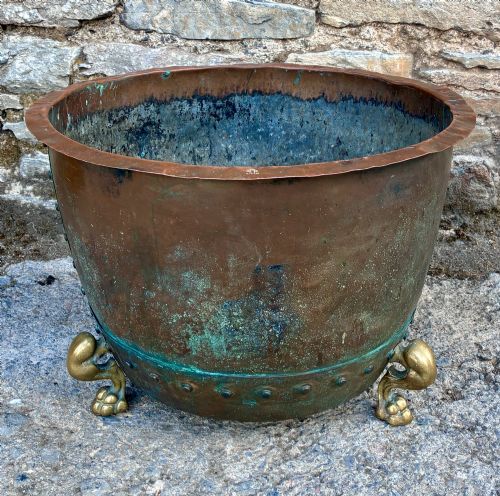
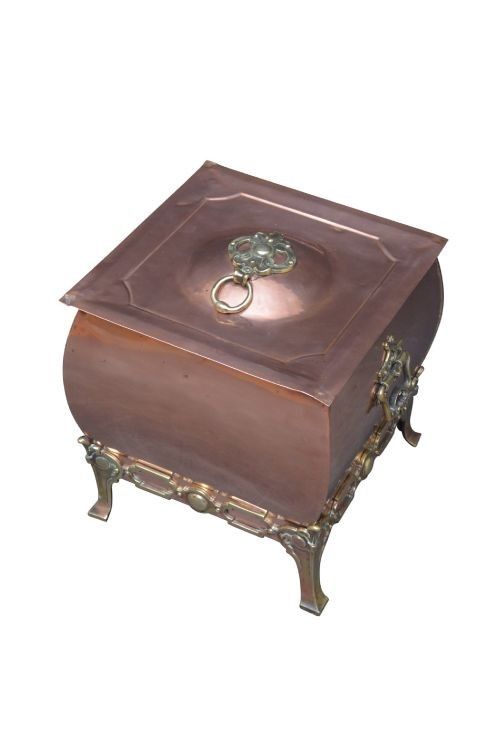
The forms vary from simple cauldrons and coal scuttles to large log bins, jardiniere planters, and fireside stores. These pieces often feature combined brass elements and distinct feet to elevate the metal body off the floor.
How they were made
Maker workshops shaped these vessels using heavy copper sheets, often joining the metal plates with visible rivets for structural strength. Artisans applied handbeaten techniques and embossed patterns directly onto the copper body.
Craftsmen mounted the main copper bodies on contrasting brass elements, including claw feet, and added sturdy brass handles for practical daily use by the hearth.
Listings span the nineteenth century, featuring Victorian items made from copper, brass, and iron.
What varies in quality
The distinction between standard utility items and finer pieces lies in the weight of the metal and the crispness of the handbeaten or embossed decoration. Superior examples display careful riveting and robust, well-cast brass feet rather than simple stamped sheet attachments.
Proportion and surface finish dictate the visual strength of a piece by the fireplace, with deeper handwork and integrated brass detailing marking out the more ambitious Victorian workshops.
William Soutter And Sons
The Copper Log Bucket Feet Glossary
- Jardinee
- A decorative pot or container, typically made of metal or ceramic, used to hold plants or flowers. In this context, sturdy copper versions served double duty as fireside storage bins.
- Embossed
- A technique where a pattern is raised from the surface of the metal by hammering or pressing from behind. This adds tactile texture to the copper body of log bins.
- Riveted
- Joined together using metal pins that are hammered flat to secure overlapping sheets. This method provided the necessary strength for heavy coal and log buckets.
- Cauldron
- A large metal pot with a wide mouth and handle, traditionally used over an open fire. Antique versions transferred to the hearth as fuel containers.
Copper Log Bucket Feet: Frequently Asked Questions
What were copper log buckets used for?
These vessels served beside the fireplace to store wood logs, kindling, or coal ready for burning. Their robust metal construction contained soot and debris while keeping fuel close at hand.
Over time, many of these containers shifted roles to function as indoor planters or decorative jardiniere stands within Victorian rooms.
How do I date a Victorian copper log bucket?
Dating relies on examining construction methods, such as handbeating marks, the style of the brass feet, and the presence of early rivets. Pieces marked with specific firm names or registration details also help narrow down the decade.
Most surviving examples date from the middle to the late nineteenth century, reflecting the industrial metalworking techniques of that era.
Are brass and copper mixed on these pieces?
Yes, makers frequently combined copper bodies with contrasting brass fittings such as claw feet, rims, and swing handles. This dual-metal approach was a hallmark of Victorian fireside accessories.
The warm reddish tone of the copper balanced the brighter yellow hue of the cast brass elements.
How should I clean antique copper?
Maintenance depends on whether you prefer a bright polished shine or the dark, aged patina accumulated over a century. Gentle cleaning removes harmful dirt without stripping away the historic surface character.
Abrading the metal too harshly can erase handbeaten textures and reduce the visual depth of embossed panels.