


Copper Decorative Pitcher
These copper decorative pitcher pieces bring warm metallic lustre and hand-hammered texture into a room, offering both practical utility and sculptural form.
Copper Decorative Pitcher
When you search for a copper decorative pitcher, you are looking at metal vessels made primarily during the Victorian and Arts and Crafts periods, alongside distinct earthenware examples featuring copper lustre finishes. The pieces span utilitarian jugs, Jersey cans, flagons, and large decorative vases shaped in styles ranging from Victorian ornate to Art Nouveau and Indo-Persian designs.
Materials and construction
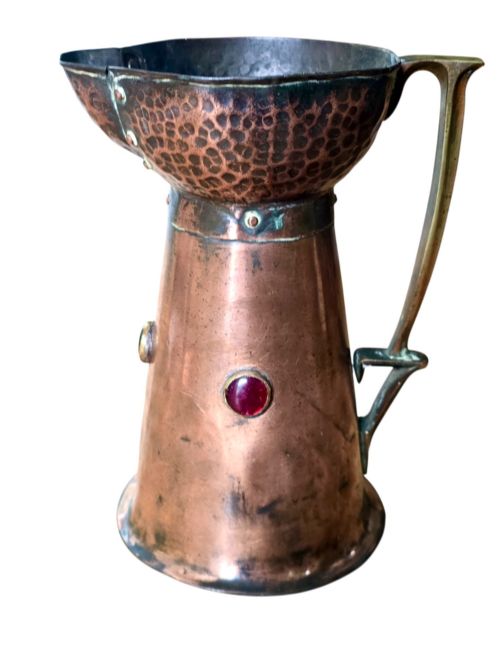
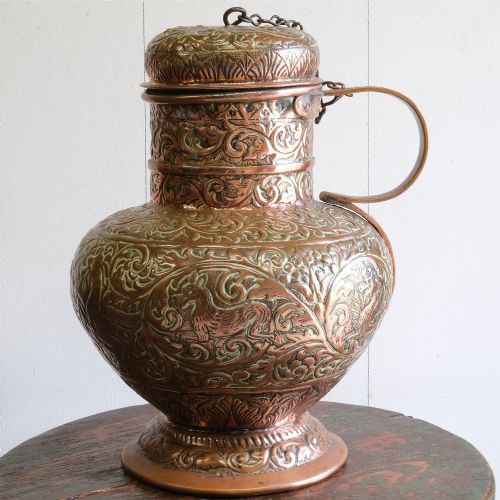
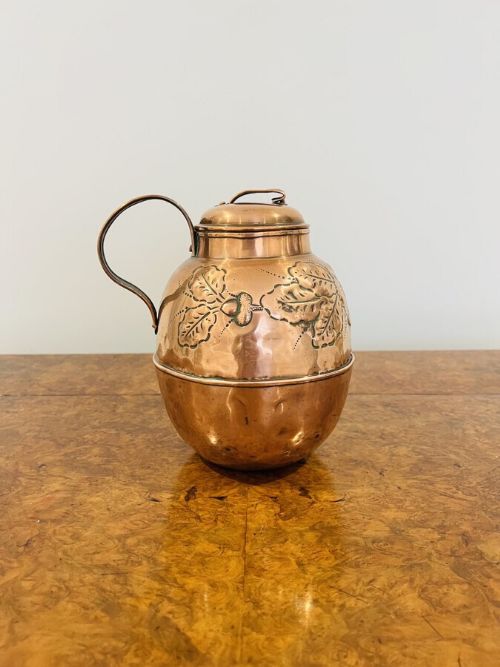
Makers shaped these items from sheet copper and brass, frequently utilising hand-hammering techniques to build substantial vessels like large flagons and Jersey cans. Some pieces combine the metallic body with applied brass handles or spouts, while others rely on ceramic or earthenware bases finished with a distinct copper lustre glaze.
Surface finishes vary between polished metal sheen and enamel or glaze applications on the ceramic variants. The structural integrity depends on soldered seams and riveted handle joints executed by period metalworkers.
Materials recorded across the inventory include copper, brass, earthenware, enamel, and glazed ceramic.
Judging quality in metalwork and ceramics
The distinction between ordinary production and finer examples lies in the weight of the metal and the crispness of the hand-beaten surface texture. Superior copper vessels display deliberate hammer marks and balanced proportions, whereas simpler items show uniform machine rolling with minimal hand shaping.
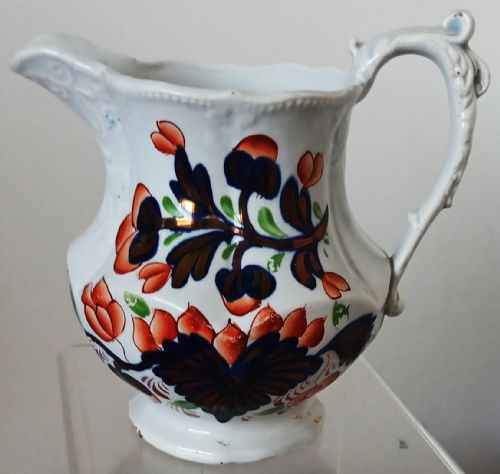
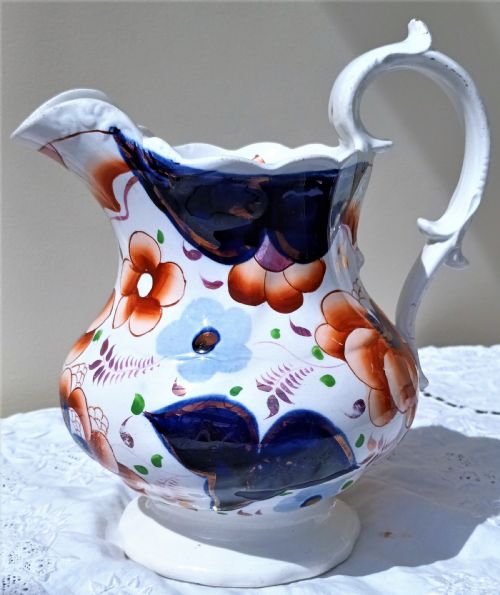
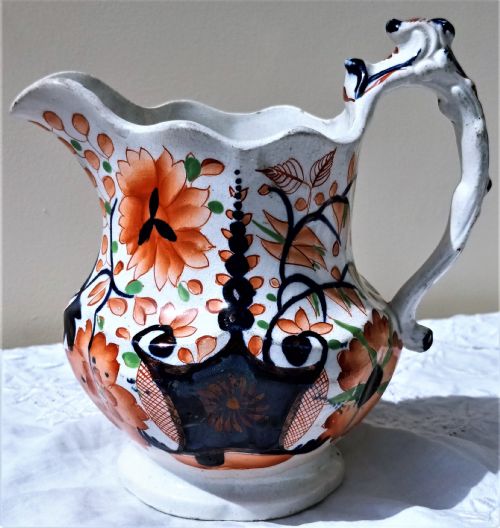
For ceramic pieces finished with copper lustre or earthenware glazes, quality is evident in the depth of the metallic reflection and the precision of the transferred or painted patterns. Better examples maintain strong colour saturation and clean lines across motifs like the drape or grape designs.
The Copper Decorative Pitcher Glossary
- Copper lustre
- A type of pottery pottery finished with a metallic glaze that creates a reflective, coppery sheen on an earthenware body. This technique was popular in nineteenth-century Staffordshire production.
- Jersey can
- A traditional cylindrical metal jug featuring a distinctive lid and handle design, originally used for measuring and storing milk on the island of Jersey. These practical vessels were often rendered in heavy gauge copper.
- Arts and Crafts
- A design movement spanning the late nineteenth and early twentieth centuries that emphasised hand-craftsmanship, simple forms, and visible maker marks. Objects from this style avoid excessive machine ornamentation.
- Flagon
- A large vessel with a handle and spout or lid, traditionally used for holding liquids such as ale or water. In metalwork, these pieces are substantial and designed for display.
- Gaudy Welsh
- A style of colourful pottery decorated with hand-painted patterns like grape, drape, or pagoda motifs over a white ceramic base. It often incorporates copper lustre highlights.
Copper Decorative Pitcher: Frequently Asked Questions
What is a copper decorative pitcher used for?
These vessels were originally made for serving liquids, measuring milk, or holding water in domestic settings. Today, they are primarily used as decorative display pieces to add warmth and historic character to interior spaces.
Larger flagons and jugs sit well on sideboards or open shelving, while smaller pitchers function effectively as flower vases or standalone sculptural objects.
How do I clean an antique copper pitcher?
Cleaning depends entirely on whether you prefer a bright polished finish or a dark, aged patina accumulated over the decades. Most collectors choose to leave the natural oxidation undisturbed to preserve the historic appearance of the metal.
If cleaning is necessary, use a mild non-abrasive cream designed specifically for copper or brass, avoiding harsh chemical dips that strip away the authentic surface age.
How do I tell Victorian copper from Arts and Crafts pieces?
Victorian copper pieces often feature ornate decoration, polished finishes, and formal shaping intended for formal domestic display. They reflect the industrial capability and decorative tastes of the mid to late nineteenth century.
Arts and Crafts examples emphasise plain surfaces, visible hand-hammering marks, and sturdy functional construction. They date from the late nineteenth into the early twentieth century and prioritise honest material expression.
Are these pitchers made of solid copper?
Most of the metal pitchers listed are formed from sheet copper, sometimes combined with brass handles, rims, or rivets for structural contrast and strength. The ceramic variations use copper lustre glazes or earthenware bodies rather than solid metal.
Checking the weight and examining the interior seams helps reveal the exact construction methods used by the original makers.