

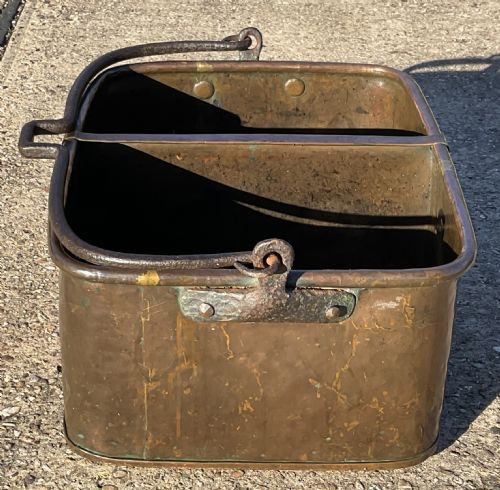
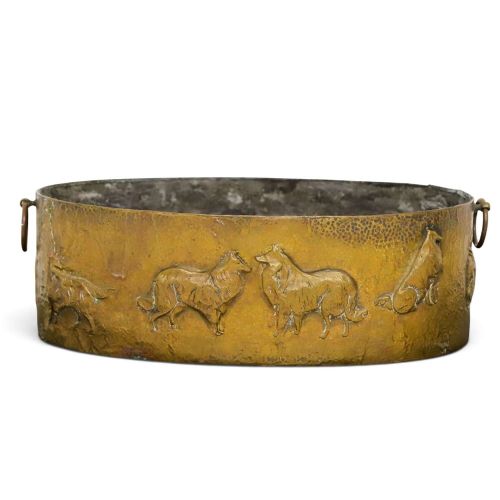
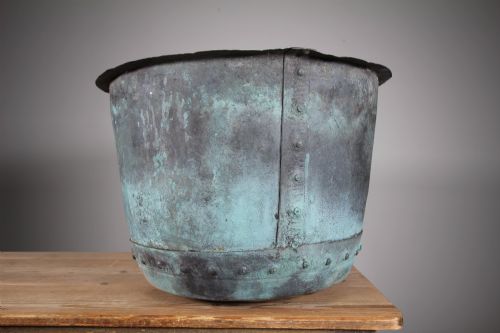
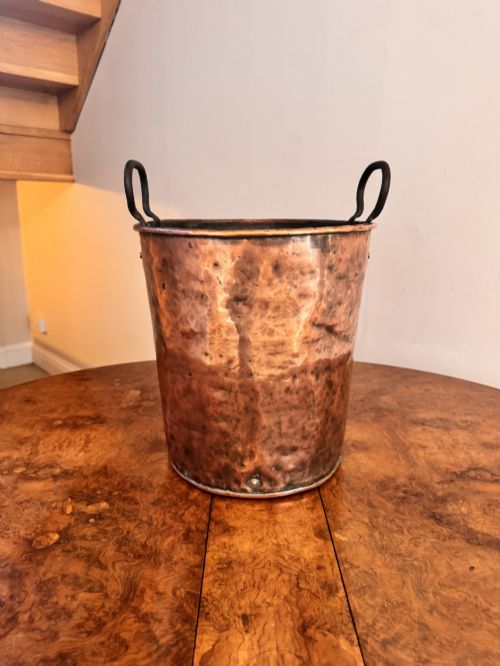
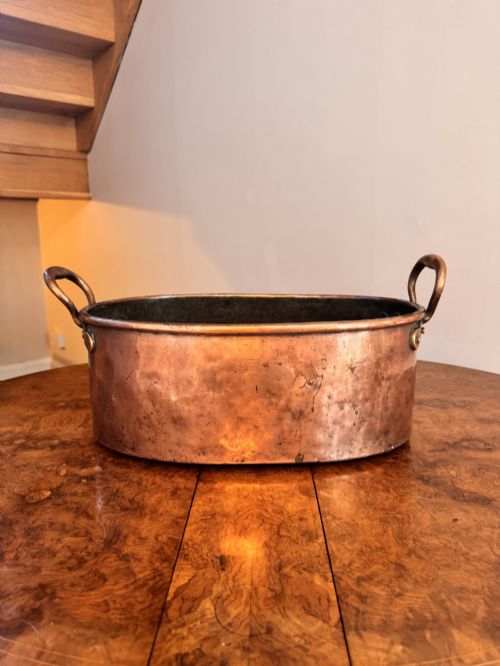
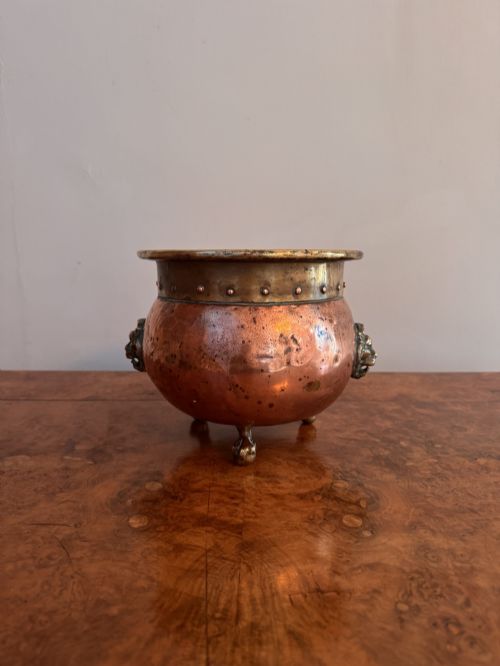
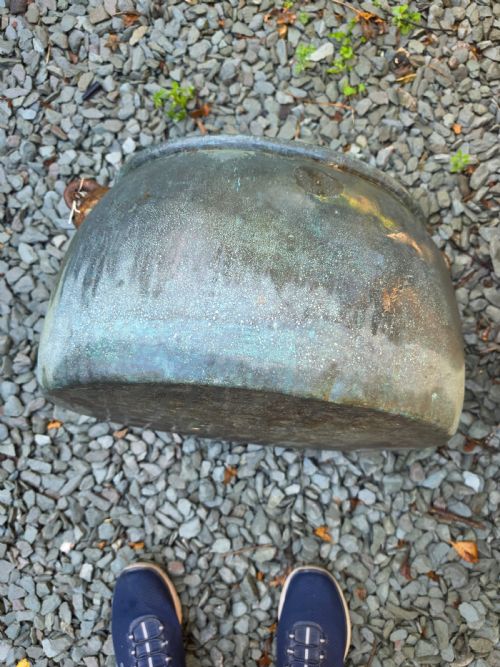
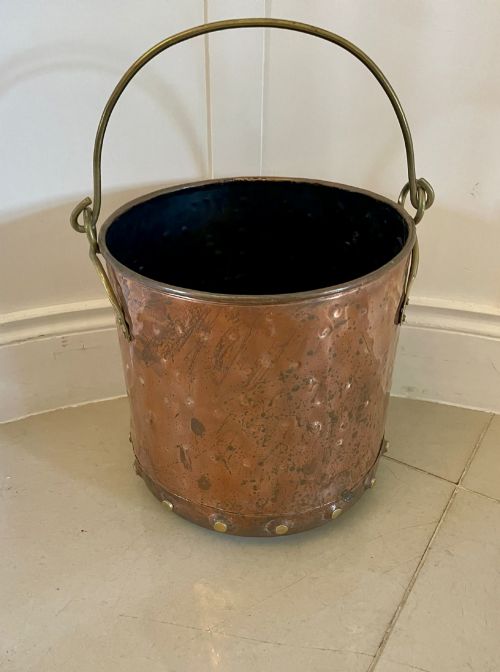

Copper Bucket Planter
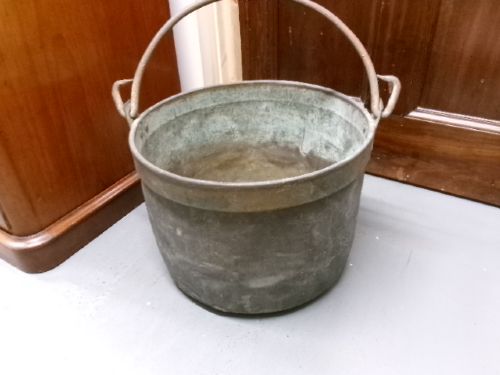
These copper bucket planter vessels bring warmth and utility into rooms, forged from metal to hold logs, wine, or foliage.
Copper Bucket Planter
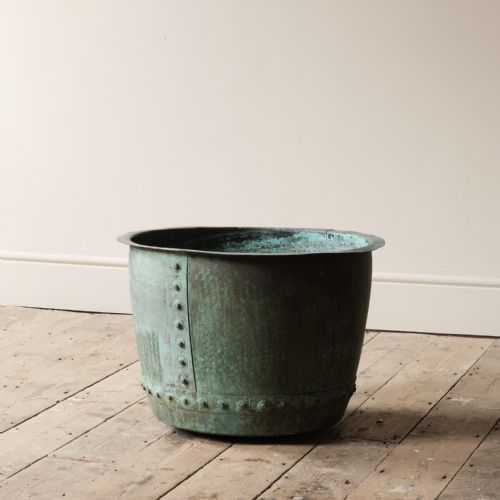
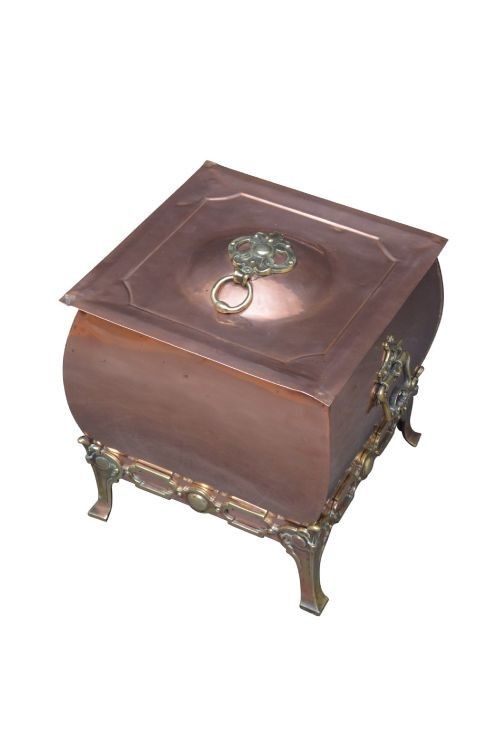
A copper bucket planter combines practical domestic containment with warm metallic presence, appearing frequently as nineteenth-century Victorian or Georgian utility vessels adapted for modern greenery or fireside storage. Buyers seek these forms for their robust scale, decorative patination, and versatile capacity to function as log bins, coal scuttles, or garden jardinieres.
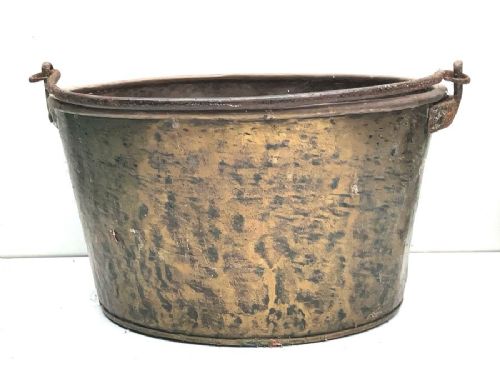
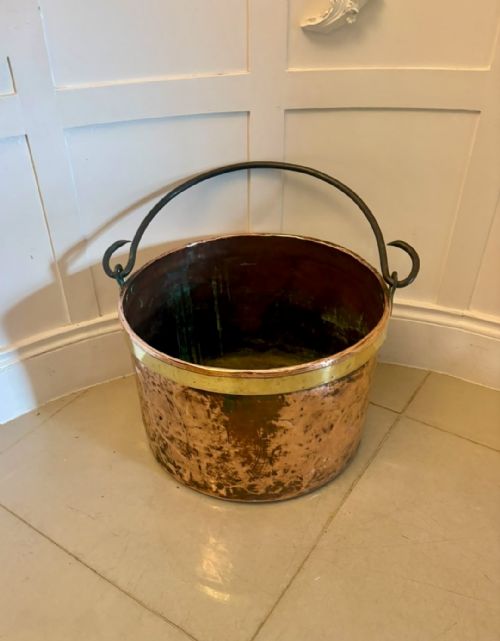
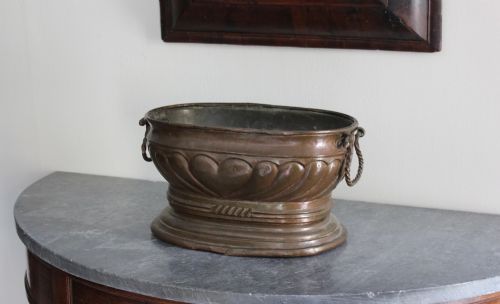
The objects span eighteenth-century Georgian origins through the Victorian era and into the early twentieth century, taking shapes such as cauldrons, riveted boilers, grain measures, and swing-handled buckets. Many examples integrate brass handles, iron swing bails, or wrought iron mounts alongside the dominant copper body.
How they were made
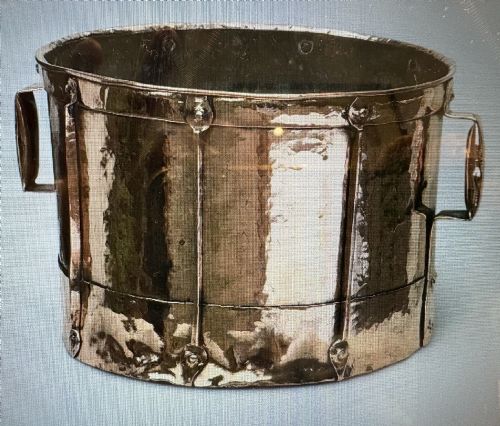
Construction relies heavily on hand-beating and riveting sheet copper, joining overlapping plates with structural metal pins to achieve durable, watertight vessels capable of bearing heavy loads of coal, water, or soil. Wrought iron and brass are incorporated for swing handles, drop rings, and rims, adding contrasting tonal details to the warm copper surface.
Some specialised pieces utilise coopered wooden staves in walnut or oak bound with copper or brass bands, blending traditional woodworking joinery with metalwork to create distinct vessels such as peat buckets and wine coolers.
Copper Bucket Planter Retail Price Guide 2026
Typical asking prices for copper bucket planter among the pieces listed under this phrase on Sellingantiques today, from the lower quarter to the upper quarter. They describe what is for sale here now, not the wider market.
Some grain measures retain faint tally marks and dents from bustling nineteenth-century market floors before finding retirement as fireside log bins.
What varies in quality
Quality rests upon the integrity of the metal construction, distinguishing heavy-gauge hand-beaten or riveted plates from thinner, mechanically produced counterparts that lack structural substance. The character of the period patination, the crispness of any hand-hammered texturing, and the original pairing of brass fittings or wrought iron handles elevate the visual weight of the piece.
Proportion and scale dictate desirability, with larger cauldron and log bin forms showing superior blacksmithing skill in the shaping of iron bails and the reinforcement of rims.
The Copper Bucket Planter Glossary
- Riveted
- Joined with metal pins securing overlapping sheets of copper. This construction method ensures structural strength for heavy containers.
- Cauldron
- A large rounded vessel typically fitted with a swing handle. These deep containers originate from utilitarian hearth and kitchen use.
- Jardiniere
- An ornamental pot or stand designed to hold growing plants or floral arrangements. They appear in decorative copper and brass finishes.
- Coopered
- Constructed from curved wooden staves held together by tension bands. This method links traditional barrel-making with decorative interior vessels.
- Patina
- The surface sheen and oxidation developed on metal over decades of exposure and handling. This coloration indicates age and authentic use.
Copper Bucket Planter: Frequently Asked Questions
What were copper bucket planters originally used for?
These vessels served diverse utilitarian purposes in domestic and agricultural settings, functioning as coal scuttles by the fireside, boiling vats, or grain measures in farmhouses.
Over time, their durable metal construction and attractive forms made them natural candidates for holding logs, wine, and indoor plants.
How do I care for antique copper?
Maintaining antique copper involves dusting gently and preserving the existing surface oxidation rather than applying harsh chemical polishes.
Using a protective liner inside planters protects the metal from direct moisture and soil contact, ensuring the original interior remains intact.
Are these pieces waterproof for plants?
Many historical vessels were designed to hold liquids or damp materials, but original riveted seams can develop minor seepage over long periods.
Placing a modern saucer or internal container inside the copper bucket prevents any moisture from reaching delicate flooring or furniture.
How do I identify a Georgian piece?
Georgian examples typically display hand-beating marks, heavier gauge copper sheets, and simple wrought iron or brass swing handles reflecting eighteenth-century craftsmanship.
Proportions tend to be classical and functional, pre-dating the more ornate decorative revival styles of the later Victorian period.