




Coopered Coal Scuttle
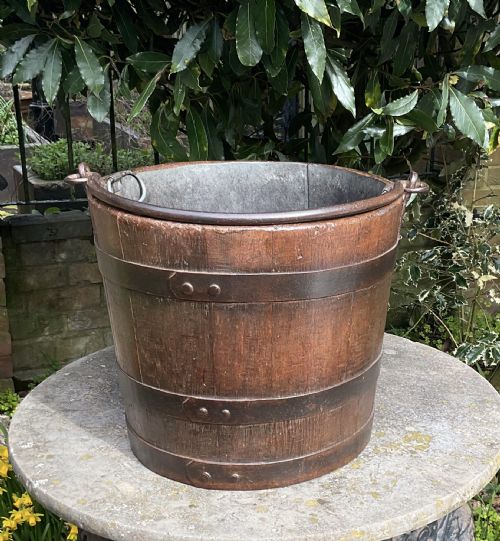
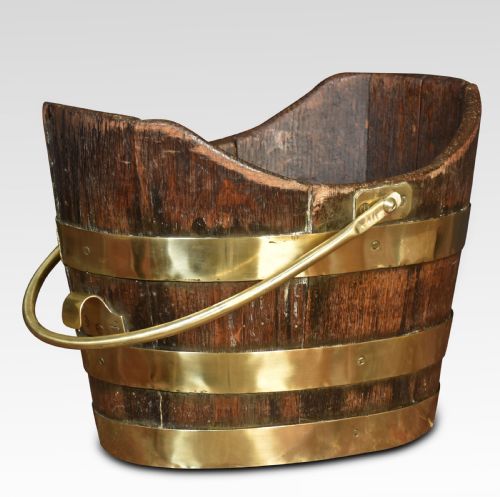
A coopered coal scuttle brings sturdy wooden craft to the hearth, combining traditional stave construction with practical metal fittings.
Coopered Coal Scuttle
A coopered coal scuttle is a fireside vessel formed from wooden staves held tightly by metal hoops, designed for holding fuel near the hearth. When searching for a coopered coal scuttle, you encounter robust domestic containers that served both utilitarian and decorative roles in historic homes.
The versions most commonly met on this page span the Georgian, Victorian, and Edwardian periods, frequently taking the form of oaken barrels or peat buckets. Makers shaped these vessels using timber like oak, mahogany, walnut, and fruitwood, often fitted with brass swing handles and internal liners.
Regional variations also appear among these listings, including Scottish peat buckets and Dutch teestoof vessels from the nineteenth century. Each piece demonstrates the traditional skill of the cooper, translating watertight barrel-making techniques into fireside storage.
How they were made
These vessels rely on traditional cooperage, where individual wooden staves are bevelled at the edges to form a tight, self-supporting cylindrical or tapered body. Skilled artisans bound these wooden staves together using strong metal hoops of iron or brass, securing the structure without modern adhesives.
Materials were chosen for both durability and appearance, pairing sturdy timbers such as oak, mahogany, and walnut with contrasting brass bands and swing handles. Many examples include internal metal liners, such as zinc or brass, to protect the wood from moisture and the abrasive weight of coal or peat.
Coopered Coal Scuttle Retail Price Guide 2026
Typical asking prices for coopered coal scuttle among the pieces listed under this phrase on Sellingantiques today, from the lower quarter to the upper quarter. They describe what is for sale here now, not the wider market.
Listings feature vessels constructed from oak, mahogany, walnut, and fruitwood, accented with brass, iron, and zinc components.
What varies in quality
Quality in these fireside pieces rests on the precision of the stave work and the integrity of the timber selection. Finer examples display tight, seamless joints where the wooden staves meet, along with substantial metal hardware that has aged gracefully over time.
The distinction between standard utility items and finer pieces often lies in the choice of cabinet timbers like figured mahogany or walnut, complemented by well-cast brass handles and period liners. The balance of proportions and the retention of original metal bands dictate the standing of each vessel.
The Coopered Coal Scuttle Glossary
- Coopered
- Constructed from curved wooden staves joined edge-to-edge and bound with metal hoops, following traditional barrel-making methods. This technique ensured the vessel remained strong and stable under heavy loads of fuel.
- Stave
- A narrow strip of wood with bevelled edges that forms the curved sides of a bucket, tub, or barrel. Accurate shaping of each stave allows the vessel to hold its form securely.
- Teestoof
- A Dutch foot warmer or small container traditionally used with hot embers, often featuring coopered wooden construction and metal liners. These pieces reflect specific continental domestic habits of the nineteenth century.
Coopered Coal Scuttle: Frequently Asked Questions
What is a coopered coal scuttle?
A coopered coal scuttle is a rigid fireside container built from wooden staves bound with metal hoops. These vessels combine traditional barrel-making craft with domestic utility.
They were designed to hold coal, peat, or logs neatly beside the fireplace while adding a decorative wooden accent to the room.
How were these vessels used historically?
These buckets served as practical receptacles for carrying and storing solid fuel near domestic hearths. The addition of internal metal liners helped prevent moisture and dirt from damaging the wooden staves.
Servants would fill them from larger coal cellars or outside stores to keep the main rooms supplied during colder months.
How do I date a coopered fireside piece?
Dating relies on identifying the timber species, the style of the brass hardware, and construction details typical of periods like the Georgian or Victorian eras. Earlier pieces often utilise mahogany or walnut with hand-forged or cast brass mounts.
Later nineteenth and early twentieth-century examples frequently feature oak with simpler, standardised metal bands and swing handles.
Can I still use an antique coal scuttle?
Many of these pieces remain robust enough for holding logs or kindling in a modern living room. Their sturdy stave construction makes them practical for everyday fireside storage.
It is wise to check the condition of any internal metal liner before loading them with heavy materials.