

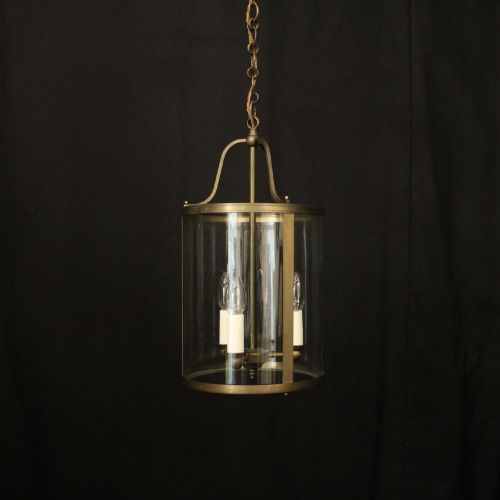
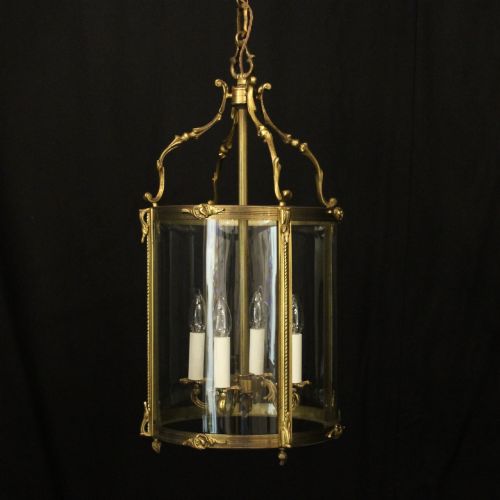
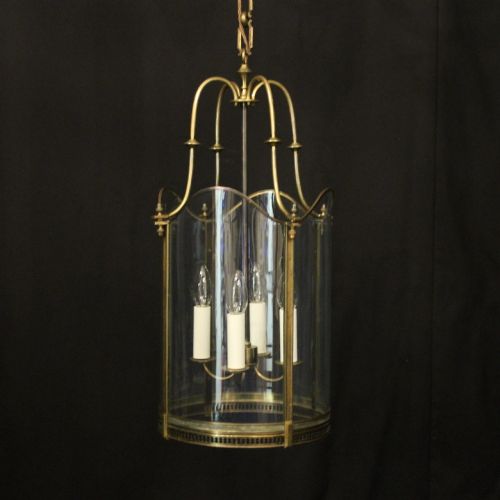
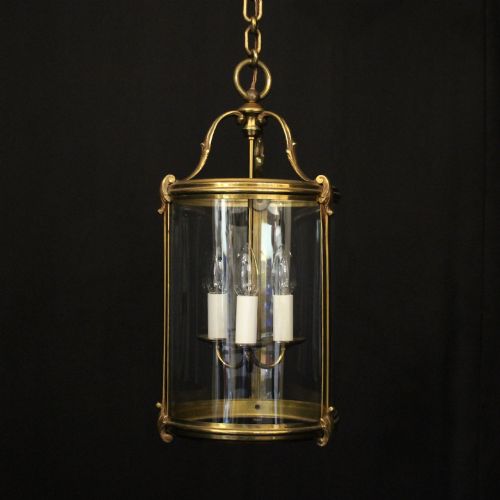
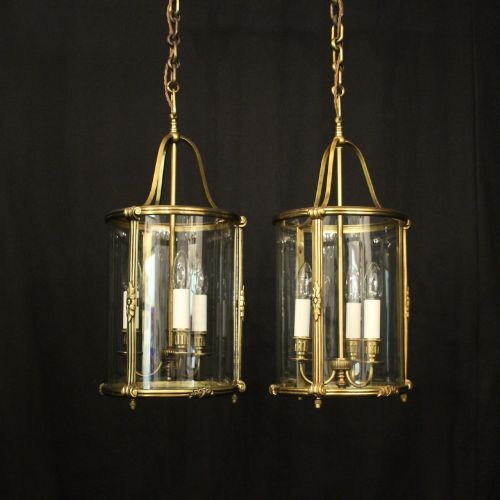


Convex Glass Light
A convex glass light brings a distinctive curve to hallways and living spaces, offering bright illumination and period character from the early twentieth century.
Convex Glass Light
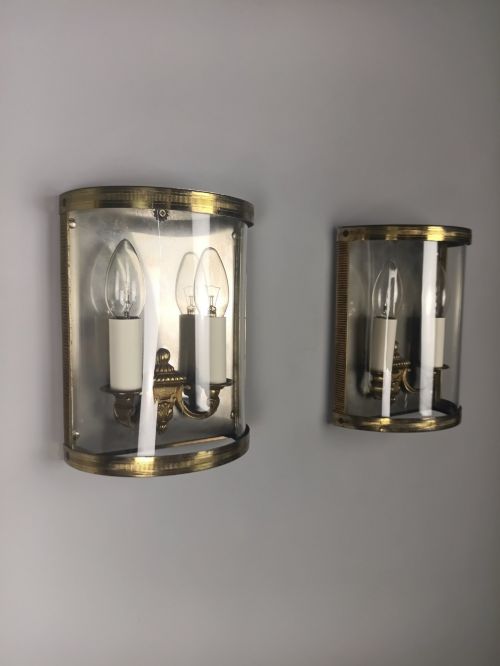
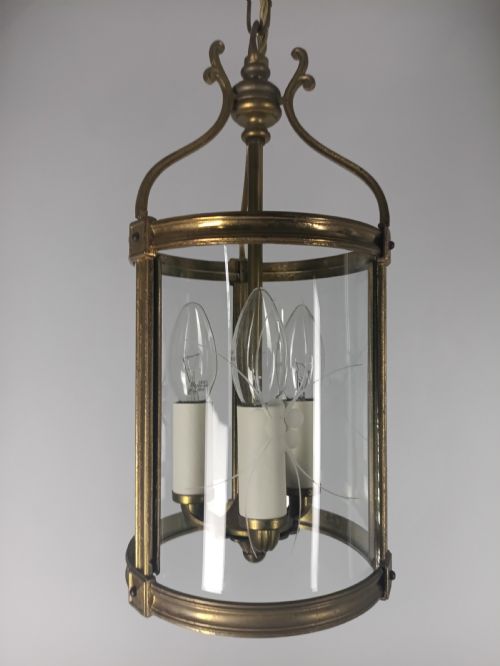
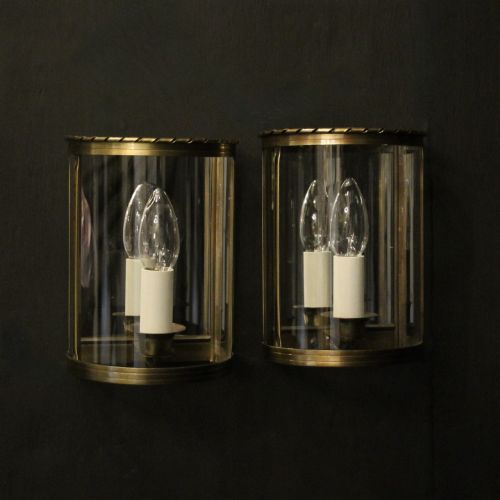
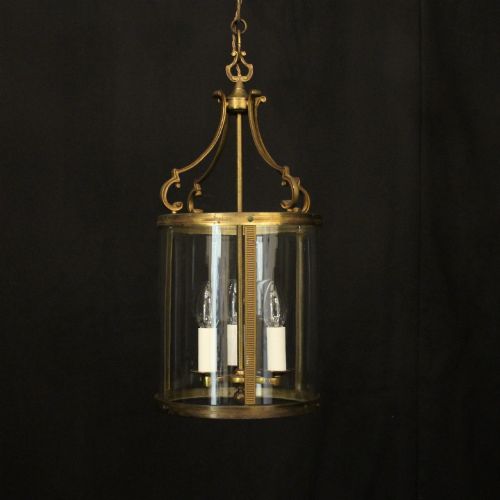
When searching for a convex glass light, collectors encounter pieces primarily originating from the nineteen-twenties and nineteen-thirties, spanning both English and French workshops. The selection centres heavily on hanging hall lanterns and ceiling lighting, alongside matched pairs of wall sconces and half lanterns designed for tighter spaces.
The prevailing aesthetic draws heavily upon historical idioms, including French Neoclassical, Louis XV, Louis XVI, Empire, and Regency styles. These pieces range from single-bulb hall fixtures to substantial four-light configurations housed within robust metal frames.
Buyers are most likely to meet French examples finished in gilded bronze, gilt brass, or standard brass, often paired with etched glass panels. English alternatives appear frequently in brass and gilded metals, maintaining a distinct yet related decorative vocabulary from the same decades.
Materials and construction
The foundational structure of a convex glass light relies on durable base metals such as brass, bronze, and toleware, shaped into sturdy frames and lanterns. Many of these metal components receive a surface layer of gilt, creating a gilded bronze or gilt brass finish.
Curved glass forms the defining visual element, occasionally featuring detailed etching to diffuse the internal illumination. Multiple bulb configurations, spanning twin, triple, and four-light arrangements, require internal wiring and metal mounting hardware to support the substantial weight of the glass and metal assembly.
Convex Glass Light Retail Price Guide 2026
Typical asking prices for convex glass light among the pieces listed under this phrase on Sellingantiques today, from the lower quarter to the upper quarter. They describe what is for sale here now, not the wider market.
Some French lanterns arrive with glass so aggressively curved it makes the hallway look like a funhouse.
Assessing quality and execution
Quality in a convex glass light rests upon the precision of the metalwork and the weight of the bronze, brass, or gilded elements used in the frame. Heavier castings and deeply chased surface details distinguish superior examples from simpler production.
The execution of the curved glass panels, particularly where etching is present, marks another division in standard. Clear, crisp lines in the glass work and robust joinery in the hanging mechanisms demonstrate higher workshop standards.
The Convex Glass Light Glossary
- Convex glass
- Glass formed with an outward curve. This shape magnifies the internal light source and creates a distinctive optical effect across the room.
- Gilt bronze
- Metalwork coated with a thin layer of gold. It provides a rich, durable surface finish seen on numerous French fixtures from the period.
- Hall lantern
- A hanging light fixture designed specifically for corridors and entrance spaces. These pieces typically suspend from chains or rods.
- Half lantern
- A light fixture flattened on one side. This design allows the piece to mount flush against a wall as a sconce.
- Toleware
- Painted or lacquered sheet metal. It offers a matte or coloured finish utilised in specific regional lantern designs.
Convex Glass Light: Frequently Asked Questions
What is a convex glass light?
A convex glass light is an enclosed illumination fixture featuring outward-curving glass panels set within a metal frame. These pieces date principally from the nineteen-twenties and nineteen-thirties.
They function primarily as overhead hall lanterns or wall-mounted sconces, distributing light evenly through the curved panes.
Where should I hang these lights?
These fixtures suit entrance halls, stairwells, and principal reception rooms where overhead illumination serves a functional and decorative purpose. Wall-mounted half lanterns fit narrower corridors or flanking positions.
Ceiling height and proportions dictate whether a single-light or four-light version works best in the intended space.
How do I identify French pieces?
French examples often employ styles such as Louis XV, Louis XVI, Empire, or Neoclassical motifs within their cast bronze and gilt brass frames. They frequently incorporate detailed etching on the glass panels.
English alternatives tend to feature Regency styling with straightforward brass or gilded constructions.
Were these lights rewired?
Many surviving fixtures require updated electrical components to meet modern safety standards while retaining their original metal and glass bodies. Rewiring ensures safe operation for daily home use.
Checking the internal fittings helps determine how the light integrates with contemporary household circuits.