



Continental Wood Table
A continental wood table brings European craftsmanship into a room, offering rich timber surfaces and historical character.
Continental Wood Table
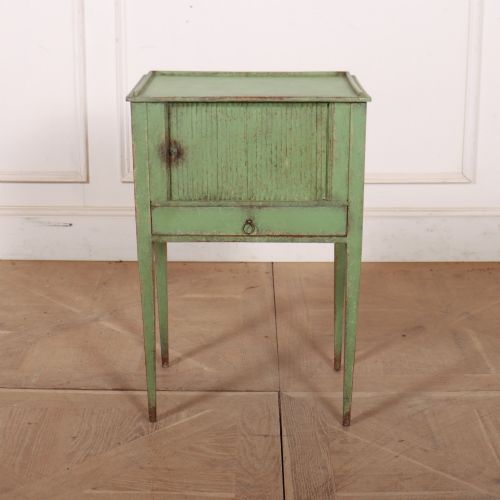
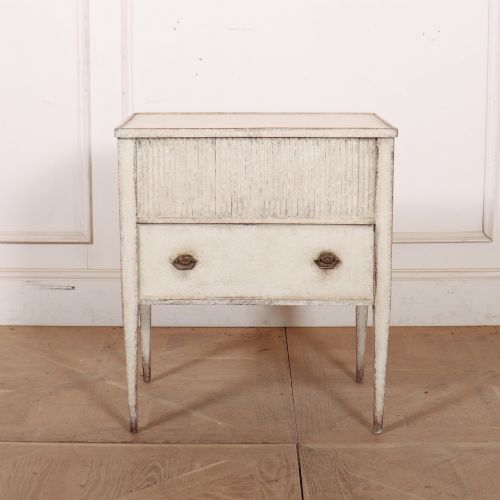
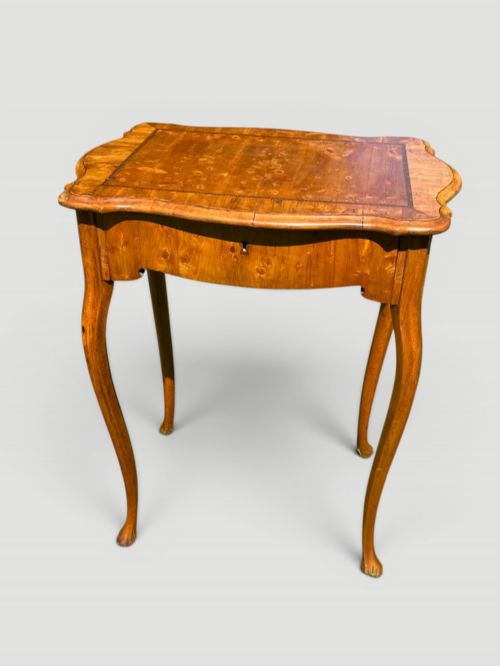
A continental wood table spans side tables, console tables, sofa tables, and centre tables originating from various European regions. These pieces bring functional surfaces and distinct period character into domestic spaces.
How they were made
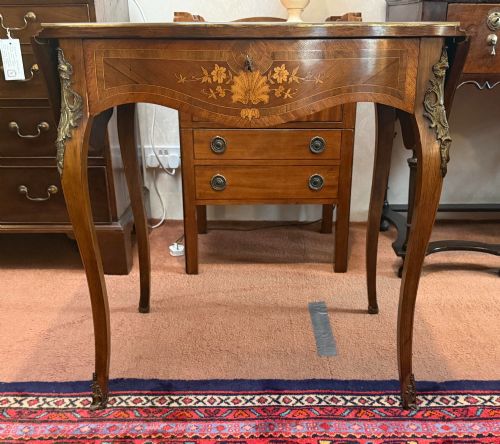
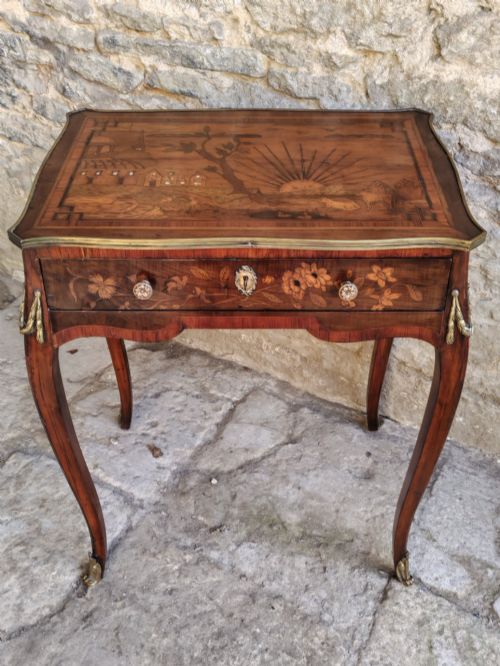
Cabinetmakers utilised dense hardwoods like walnut, oak, and ash, frequently embellishing surfaces with intricate marquetry and parquetry veneers. Burr wood selections provided dramatic natural figuring across tabletops and cabinet doors.
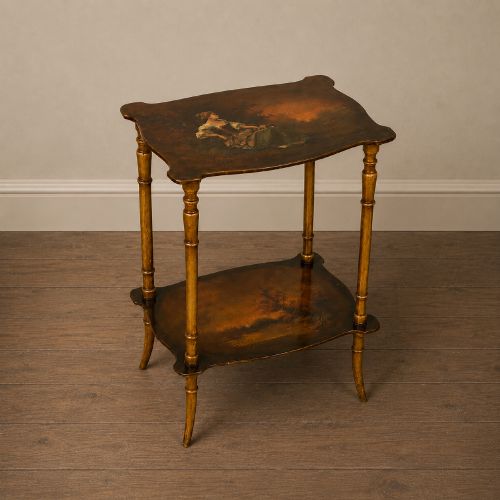
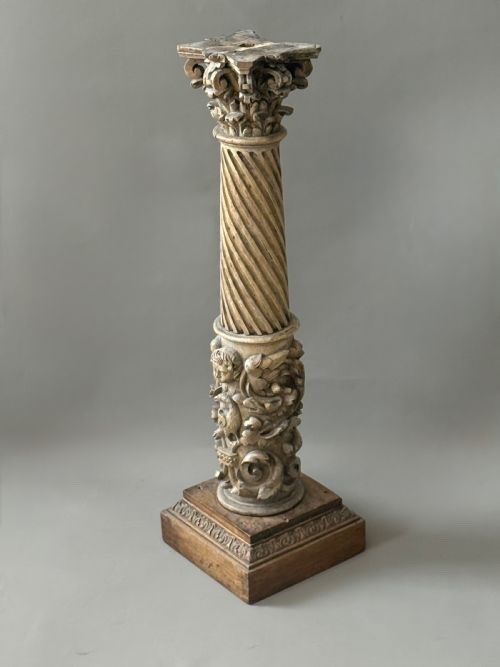
Giltwood, gesso, and gold leaf additions introduced reflective ornamentation, while ebonised wood and painted finishes offered striking visual contrast. Hand-carved elements demonstrate traditional joinery and sculptural detailing specific to regional workshops.
Continental Wood Table Retail Price Guide 2026
Typical asking prices for continental wood table among the pieces listed under this phrase on Sellingantiques today, from the lower quarter to the upper quarter. They describe what is for sale here now, not the wider market.
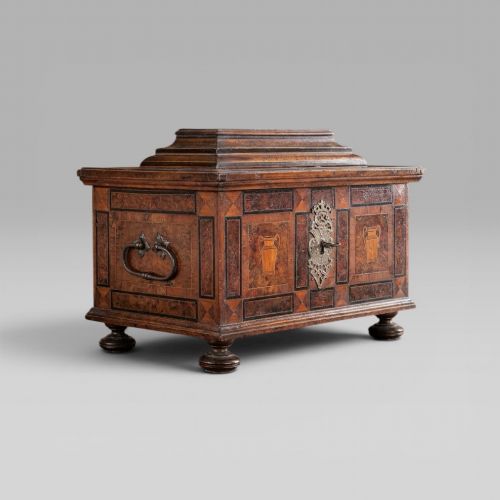
Several items double as secretive storage, including a table top escritoire with a revolving tabernacle.
What varies in quality
The refinement of the timber selection and the precision of the marquetry inlay define the upper tier of these pieces. Grain alignment and the depth of hand-carved ornamentation distinguish master craftsmanship from simpler production.
Original surface treatments, such as patinated gilding and period finishes, elevate a piece above later interventions. Structural integrity within drawers, joints, and underlying carcase timbers dictates long-term stability.
The Continental Wood Table Glossary
- Marquetry
- Decorative veneer work forming pictorial patterns using various woods. This technique requires meticulous cutting and fitting of thin timber sections.
- Parquetry
- Geometric wood mosaic patterns applied to furniture surfaces. It creates durable and visually striking floors and tabletops.
- Giltwood
- Wood carved and subsequently coated with gold leaf or metal powder. This finish brings bright reflection and luxury to Baroque and Neoclassical forms.
- Console table
- A table designed to stand against a wall, frequently supported by wall brackets or decorative legs. These pieces served decorative and functional roles in formal rooms.
- Biedermeier
- A central European style emphasising clean lines and utilitarian comfort over excessive ornamentation. It favours domestic woods with rich grains.
Continental Wood Table: Frequently Asked Questions
How do I identify a continental wood table?
Examine the timber species, construction joints, and decorative motifs such as marquetry or carving style. Regional traits often align with specific European design movements.
Compare the secondary woods used inside drawers and carcases with known domestic or continental practices to confirm origin.
Where should I place a console table?
Console tables suit entryways, hallways, or living rooms against flat wall spaces. They hold lamps, decorative objects, or mirrors above them.
Ensure the depth of the table matches the clearance required for foot traffic in smaller rooms.
How do I care for antique wood surfaces?
Keep wooden furniture away from direct sunlight and steady heat sources to prevent timber splitting and veneer lifting. Dust regularly with a dry cloth.
Apply quality beeswax sparingly to nourish polished and unpainted timber surfaces over time.
What is the difference between marquetry and parquetry?
Marquetry forms figurative or pictorial designs using various coloured woods and veneers. Parquetry constructs strict geometric and repeating patterns.
Both techniques demonstrate high levels of cabinetmaking skill across 17th, 18th, and 19th-century pieces.