


Continental Wood Mirror
These continental wood mirror pieces bring architectural weight and rich carving into a room, offering the bold shapes that define historic European interiors.
Continental Wood Mirror
A continental wood mirror brings centuries of European craftsmanship into a room, spanning wall mirrors and console tables created across the eighteenth and nineteenth centuries. These items draw heavily on Italian workshops and regional continental traditions, offering ornate frames shaped by rococo, baroque and neoclassical movements.
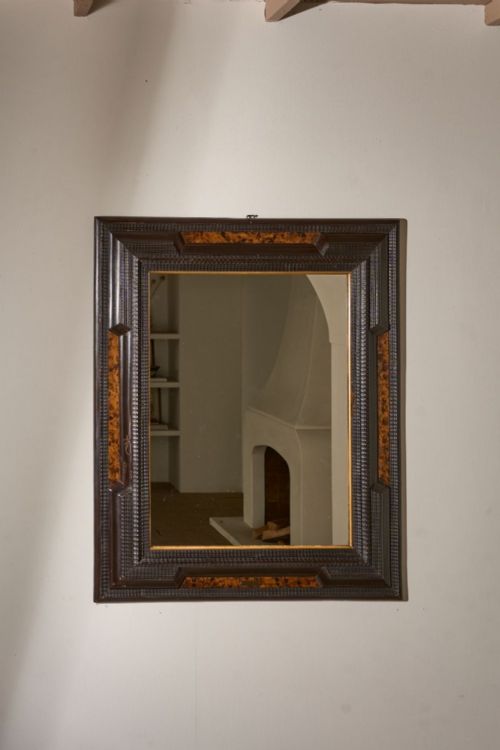
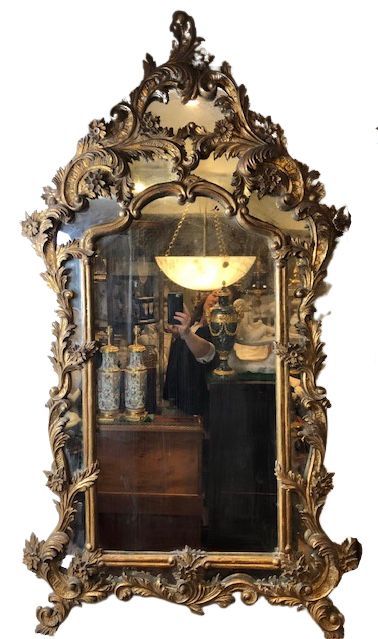
The versions most commonly met on this page belong to the nineteenth century and the eighteenth century, often finished with giltwood, paint or ebonised surfaces. Forms range from cartouche wall pieces to grand pier glasses, capturing the decorative ambition of Italian and wider continental makers.
How they were made
Makers shaped these frames from solid timbers including mahogany and maserbirch, applying carved details directly to the wood or building up relief ornament with gesso. Surfaces received meticulous coats of paint, ebonisation or delicate faux tortoiseshell finishes to create depth and contrast.
Gilding involved the application of gold leaf over prepared grounds, capturing light across intricate scrolls and cartouche borders. Mirror glass was set within these wooden and gesso armatures, sometimes retaining its original foxed character.
Some mirrors carry centuries of reflections beneath their foxed glass, whispering secrets of grand Italian rooms long faded.
What varies in quality
Quality rests in the crispness of the carving and the depth of the applied surface finishes, whether burnished gold leaf or layered paint. Superior examples show confident handling of asymmetric rococo scrolls or precise architectural mouldings that hold the eye from across a room.
The integrity of the timber frame and the harmony between the glass plate and its surround determine the standing of a piece. Earlier frames display greater sculptural ambition, whilst later revival works depend on the fidelity of their historical interpretation.
The Continental Wood Mirror Glossary
- Giltwood
- Wood carved and coated with gold leaf. This finish creates a luminous surface that catches candlelight and daylight alike.
- Cartouche
- An ornamental frame resembling a scroll or unset gem. It frequently forms the central decorative vocabulary of rococo mirrors.
- Gesso
- A plaster mix applied to wood as a base for gilding or painting. It allowed makers to carve intricate relief details before finishing.
- Ebonised
- Wood treated to resemble ebony. This dark, polished finish provides a dramatic contrast to gilt ornament.
- Pier glass
- A tall mirror designed to hang between windows. These pieces often sat above matching console tables in formal reception rooms.
Continental Wood Mirror: Frequently Asked Questions
Where should I hang a continental wood mirror?
These mirrors suit principal reception rooms, hallways or above fireplaces where their substantial frames can command the wall. Their reflective glass opens up smaller spaces while adding historic presence.
Pairing a wall mirror with a console table creates a traditional focal point in a dining room or entrance hall. Ensure the wall fixings match the weight of the timber and gesso construction.
How do I date an antique wood mirror?
Dating relies on examining the timber species, the preparation layers beneath the surface, and the style of the carving. Eighteenth-century pieces often display hand-carved nuances and distinct gesso formulations compared to later nineteenth-century revivals.
The mirror glass itself offers clues, though plates were frequently replaced over long periods of domestic use. Construction joints and tool marks on the reverse of the wood provide further evidence of age.
What is the difference between baroque and rococo styles?
Baroque design emphasises symmetry, monumental scale and dramatic architectural dignity. These pieces project power and formal balance through heavy moulding and bold relief.
Rococo moves away from strict symmetry in favour of flowing, organic curves, C-scrolls and natural motifs like shells and foliage. This style feels lighter and more theatrical in its movement.
How do I care for giltwood and painted frames?
Dust these frames gently with a soft, dry brush to protect delicate gesso and gold leaf surfaces. Avoid chemical cleaners, moisture and direct sunlight which can degrade historical finishes.
Stable indoor humidity prevents the underlying wood from expanding and contracting. This care preserves both the structural integrity of the timber and the brilliance of the gilding.