
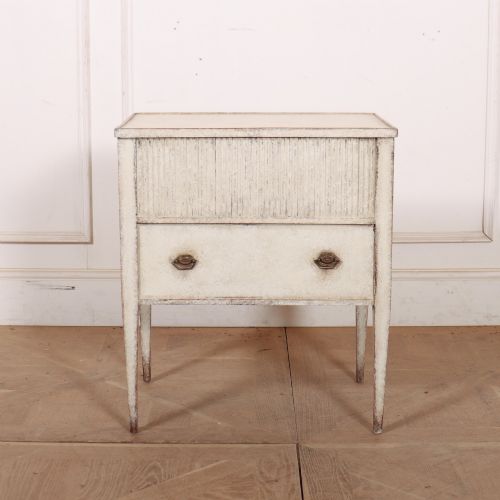


Continental Nightstand
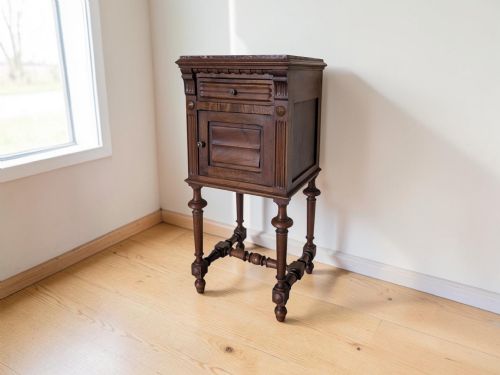
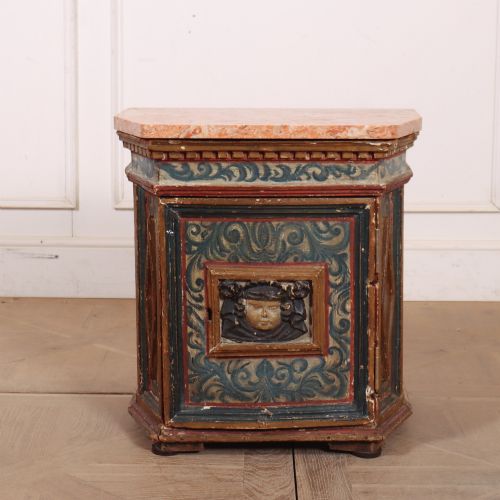
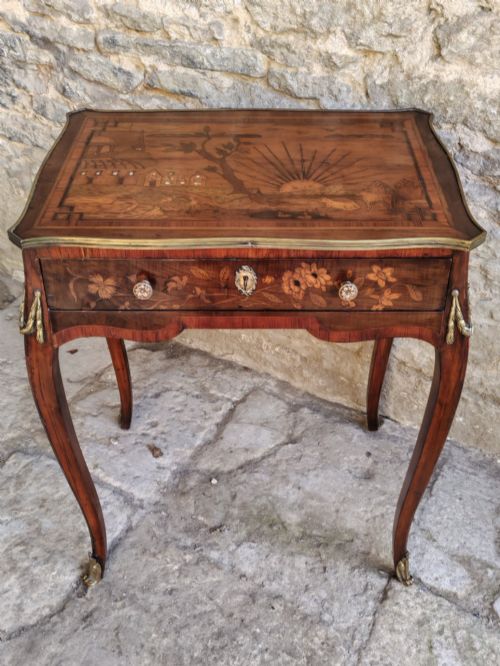
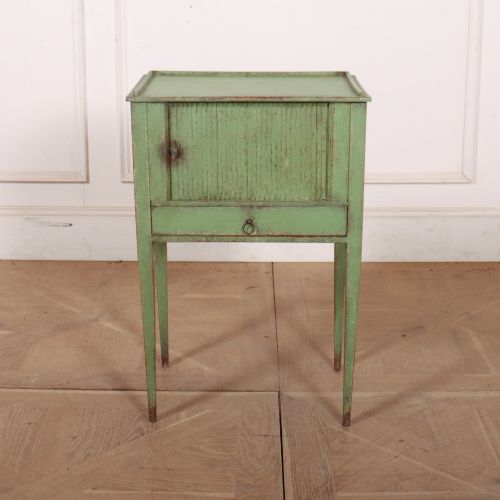
These continental antique nightstand examples bring practical bedside storage, featuring marble tops, walnut, and painted pine across various European styles.
Continental Nightstand
A continental antique nightstand provides bedside storage and display surfaces, appearing here mainly as bedside cabinets, tables, and side cupboards. These pieces arrive from traditions spanning the eighteenth century through to the art deco period.
Buyers encounter forms ranging from Dutch painted bedside tables and Italian marble top cabinets to walnut marquetry designs and Hungarian pine and oak pieces. The selection includes individual items as well as matched pairs suited for larger bedframes.
How they were made
Cabinet makers utilised solid woods like walnut, oak, pine, and satinwood, frequently applying burr walnut or intricate marquetry inlay to primary surfaces. Painted finishes appear across regional Dutch and Hungarian pieces, often retaining original pigments.
Many cabinets incorporate fitted marble tops to provide durable, water-resistant surfaces alongside brass hardware. Construction methods reflect traditional joinery appropriate to periods ranging from baroque interpretations to twentieth-century art deco.
Materials recorded across current items include marble, brass, walnut, burr walnut, oak, pine, and satinwood.
What varies in quality
Quality rests in the choice of timber and the precision of decorative details, such as the intricacy of marquetry inlay and the figuring in walnut veneers. Superior examples maintain original painted surfaces and intact marble slabs without replacement.
Construction integrity and the balance of proportions distinguish finer workshop output from simpler utility pieces. Matched pairs sharing consistent timber grain and hardware command particular attention from collectors.
The Continental Nightstand Glossary
- Marquetry
- Inlay work using decorative pieces of wood fitted into a veneer to form patterns. This technique frequently decorates eighteenth-century and later continental furniture.
- Bombe
- An outwardly bulging or swelling shape characteristic of certain baroque and rococo case furniture. It requires considerable skill from the cabinet maker.
- Apothecary cabinet
- A small storage unit originally designed for holding medicines and dry ingredients. These pieces often feature numerous small drawers and distinct regional paintwork.
- Satinwood
- A durable, yellowish timber with a lustrous grain often utilised for fine cabinet work. It provides a smooth surface for polished finishes.
Continental Nightstand: Frequently Asked Questions
What periods do these nightstands cover?
The selection spans from the eighteenth century up through the Victorian era and early twentieth-century art deco designs.
Dates and styles vary widely across different European regions, reflecting local cabinet-making traditions.
Are marble tops original to the cabinets?
Many cabinets feature fitted marble slabs designed specifically for bedside use, offering a durable surface for lamps and water.
Matching pairs frequently retain their corresponding stone tops.
Do these pieces come in pairs?
Several listings include matched pairs of bedside cabinets or side tables, particularly among walnut and marble-topped variants.
Single cabinets also appear regularly for more compact bedrooms.
What woods are commonly used?
Cabinet makers utilised walnut, burr walnut, oak, pine, and satinwood for these continental pieces.
Painted wood finishes also appear frequently, especially on Dutch and Hungarian examples.