




Contemporary Oil Painting
A contemporary oil painting brings tactile pigment and modern vision into a room, offering rich brushwork and distinct subjects ranging from landscapes to still lifes.
Contemporary Oil Painting
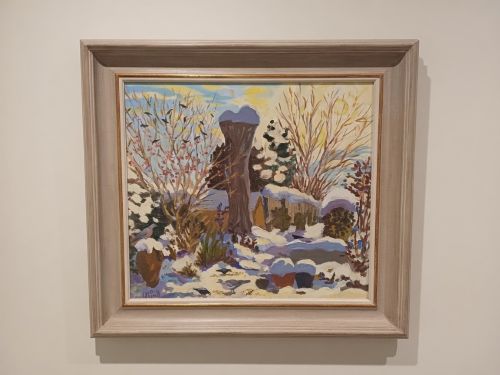
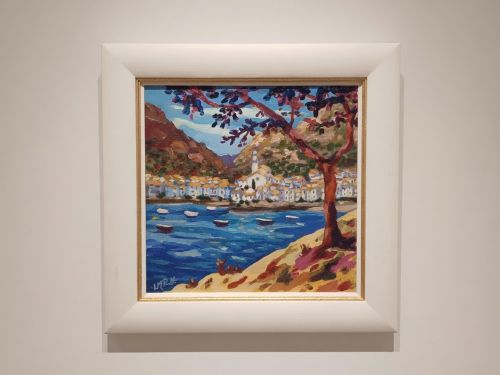
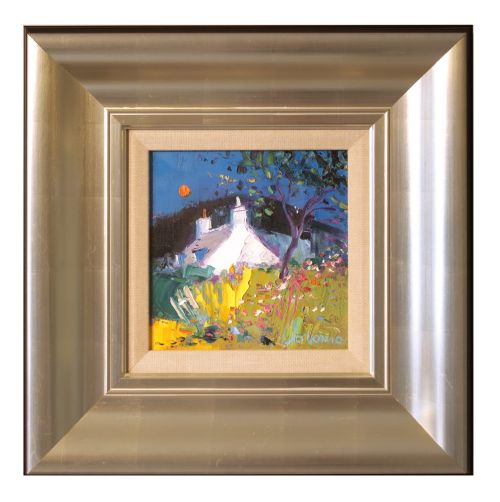
A contemporary oil painting represents modern artistic expression executed in traditional medium, capturing subjects from tranquil rural landscapes to vibrant botanical scenes. When searching for a contemporary oil painting, buyers encounter works originating from the nineteen-fifties onwards, reflecting shifts in twentieth-century and modern visual culture. These pieces typically present diverse styles including contemporary British art, contemporary realism, and British impressionism.
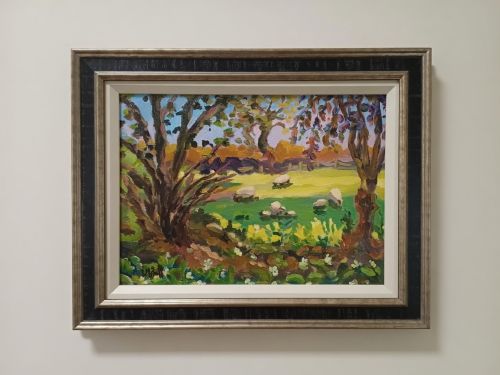
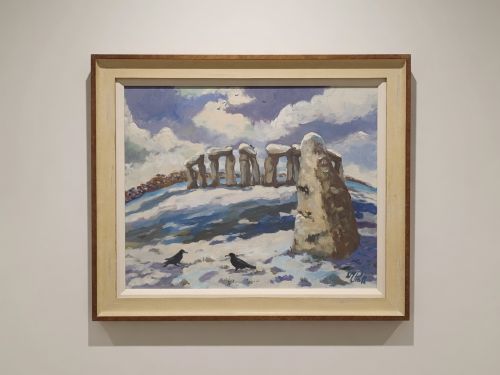
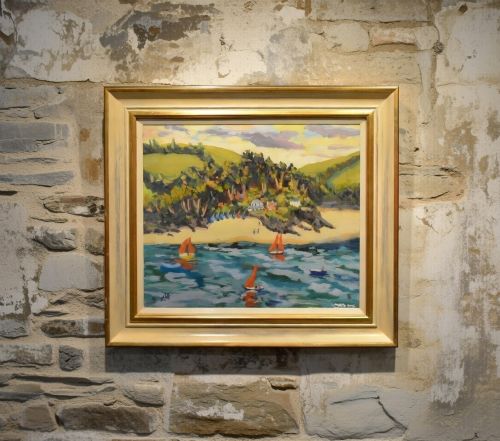
The pieces on this page span several decades, featuring works from the nineteen-fifties, nineteen-sixties, and later periods. Forms range from standard wall art and paintings to specific depictions such as sheep in wild garlic, coastal scenes featuring red sails in Salcombe, and depictions of Stonehenge. Collectors frequently find canvases supported by wooden frames and boards carrying textured layers of pigment.
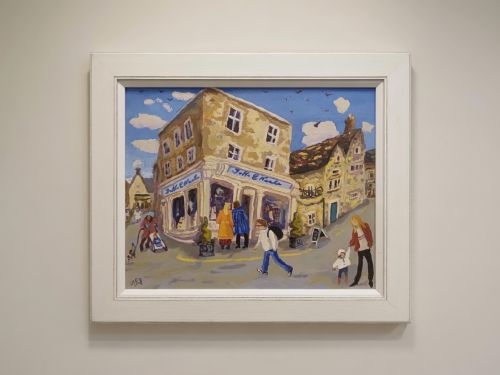
The selection reflects both landscape and still life traditions, with works exploring subjects like flamingos, haworth meadow, and regional storefronts in Oxfordshire. Each painting serves as a direct record of an artist's handling of oil paint on canvas or board. The diversity of these pieces allows a buyer to select works that align with specific mid-century or later artistic movements.
How they were made
These works rely on oil paint applied to prepared surfaces such as canvas and board, often secured within a wood frame. The technique combines fluid pigment application with substantial texture, allowing artists to build depth across the picture plane.
Makers utilise gesso to prepare wooden boards and canvases before applying oil paint, creating a stable foundation for the composition. The interplay of canvas support and oil medium permits both fine detail and expressive, heavy brushwork characteristic of modern painting styles.
Contemporary Oil Painting Retail Price Guide 2026
Typical asking prices for contemporary oil painting among the pieces listed under this phrase on Sellingantiques today, from the lower quarter to the upper quarter. They describe what is for sale here now, not the wider market.
Several canvases record local scenes including flamingos, sheep among wild garlic, and red sails in Salcombe.
What varies in quality
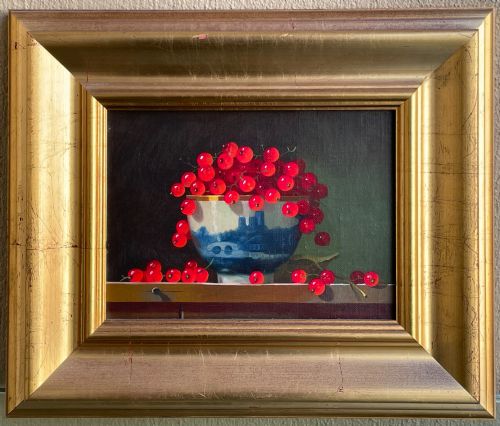
Quality in a contemporary oil painting depends upon the confidence of the brushwork and the clarity of the composition. Stronger pieces demonstrate a deliberate handling of light and pigment, whether rendering a still life of red berries or a coastal view.
The integration of the wooden frame and the physical condition of the canvas or board contribute to the overall integrity of the piece. Superior examples maintain vibrant pigment retention and secure mounting within their original or complementary surrounds.
Lucy Pratt·Ian Parker·John Lowrie Morrison·David Orr Kerr·Peter Jackson
The Contemporary Oil Painting Glossary
- Oil paint
- A slow-drying paint made by combining pigments with drying oils such as linseed oil. This medium allows artists to blend colours smoothly and build thick, textured layers known as impasto.
- Canvas
- A heavy woven fabric typically stretched across a wooden frame to serve as a durable support for painting. It provides a slightly flexible surface that responds well to layered brushstrokes.
- Gesso
- A primer mixture consisting of a binder mixed with chalk, pigment, or gypsum, used to prepare a substrate like wood or canvas for painting. It seals the surface and creates an optimal bond for oil paint.
- Board
- A rigid flat panel used as a substitute for stretched canvas as a painting support. It offers a firm, unyielding surface favored for certain landscape and still life compositions.
Contemporary Oil Painting: Frequently Asked Questions
How do I care for an oil painting?
Keep the painting away from direct sunlight and extreme temperature fluctuations to prevent the canvas or wood panel from warping and the oil paint from fading.
Dust the surface gently with a soft, dry brush, avoiding water or chemical cleaning agents that could damage the pigment layers.
What is the difference between canvas and board?
Canvas is a woven fabric stretched over a wooden frame, offering a slight give under the brush, whereas board is a rigid, solid panel.
Both materials provide a stable foundation for oil paint, but board is typically chosen for firmer support during painting.
How do I identify the period of a painting?
Examine the materials used for the support and framing, along with the stylistic cues present in the brushwork and subject matter.
Works from the mid-twentieth century onward often exhibit specific contemporary realism or impressionistic techniques distinct from earlier historical eras.
Where should I hang a contemporary painting?
Choose a wall with stable ambient light conditions, ensuring the artwork complements the surrounding room without enduring harsh environmental exposure.
Position the painting at eye level to allow proper appreciation of the brushwork and composition.