



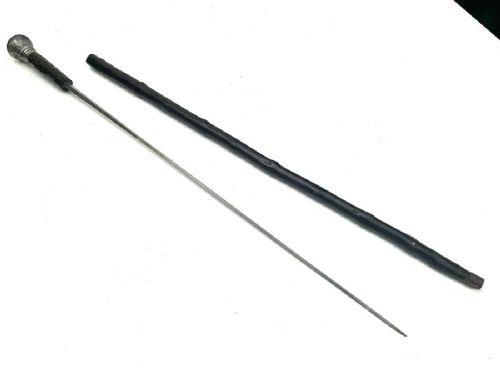

Concealed Blade Weapon
A concealed blade weapon is a discreetly housed steel edge within a walking stick, combining everyday support with personal defence.
Concealed Blade Weapon
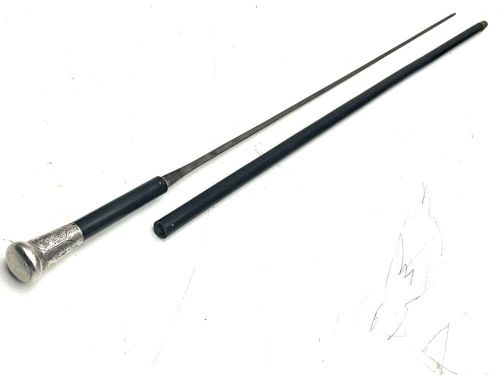
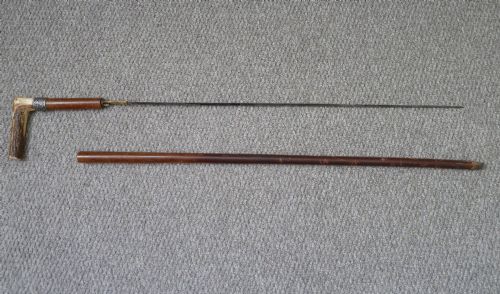
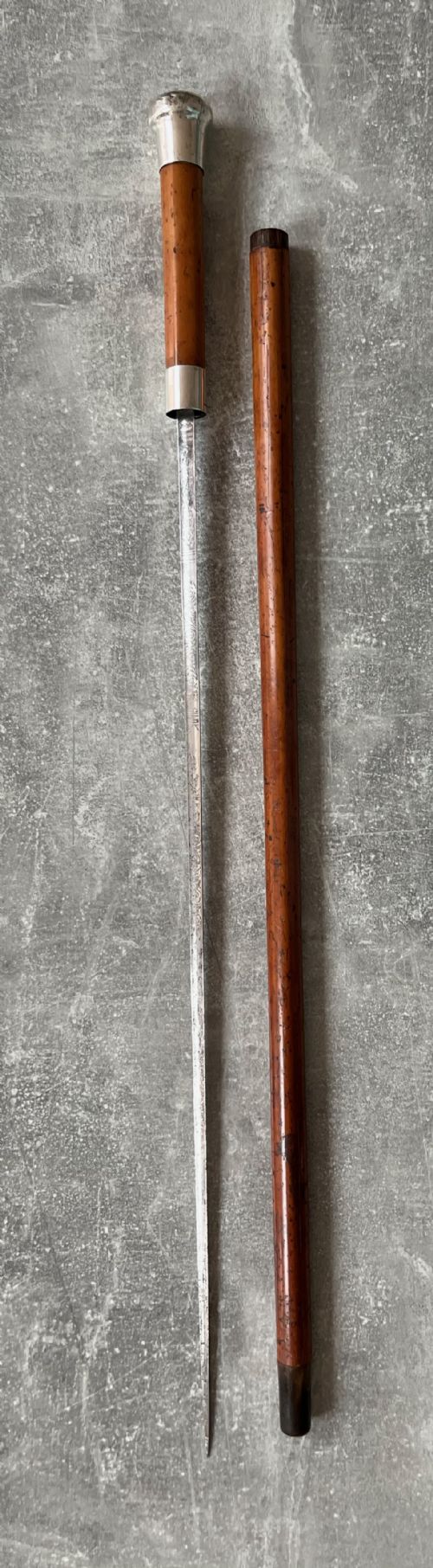
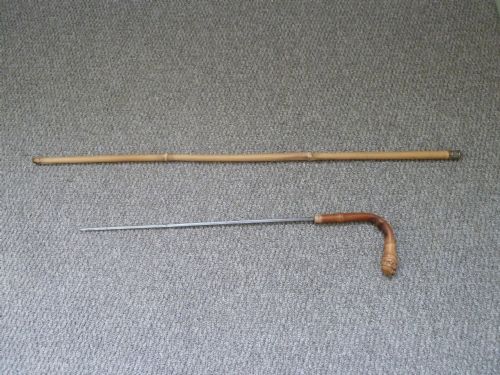
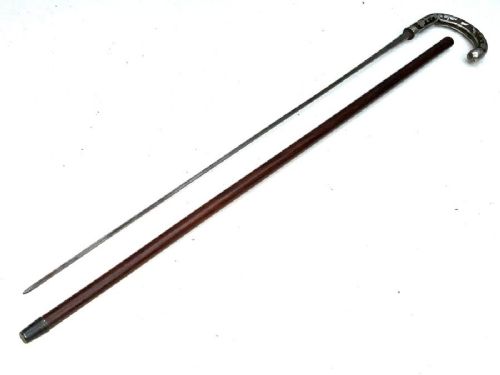
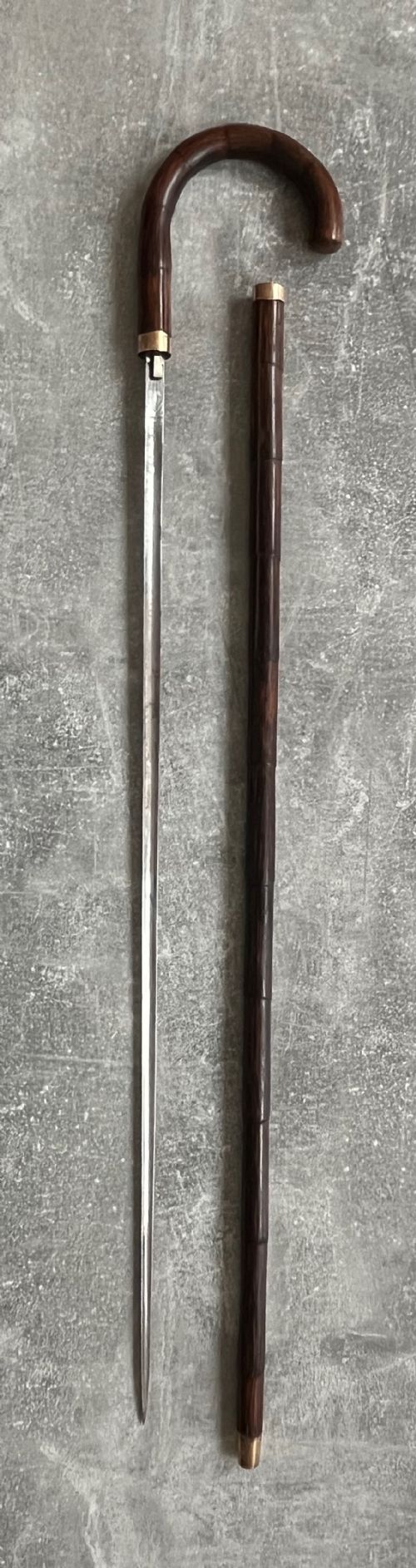
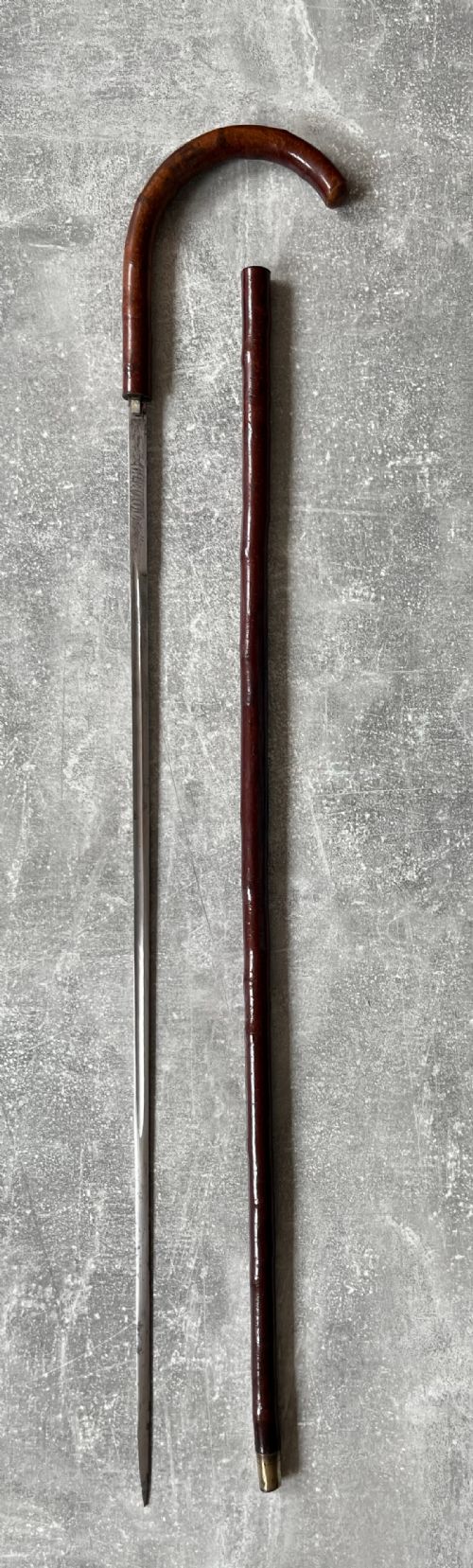
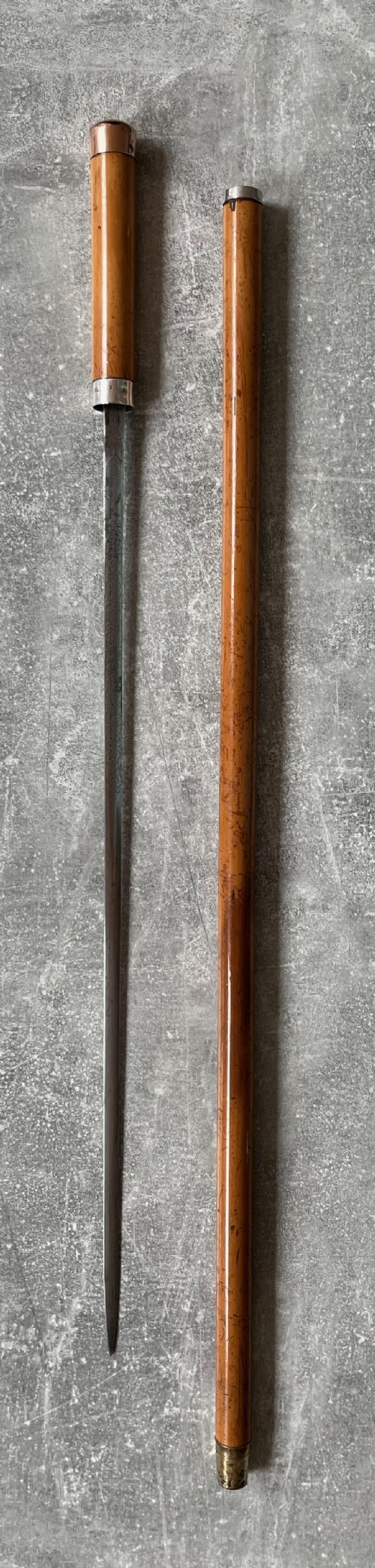
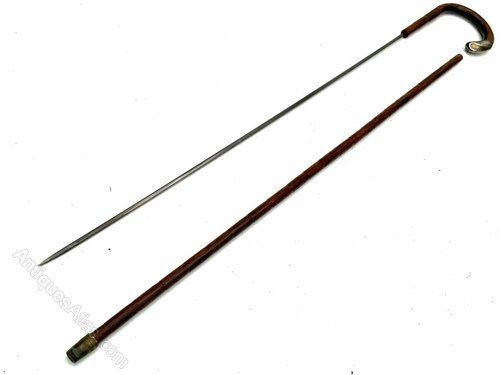
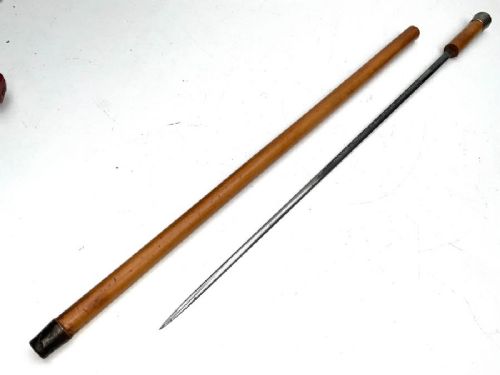
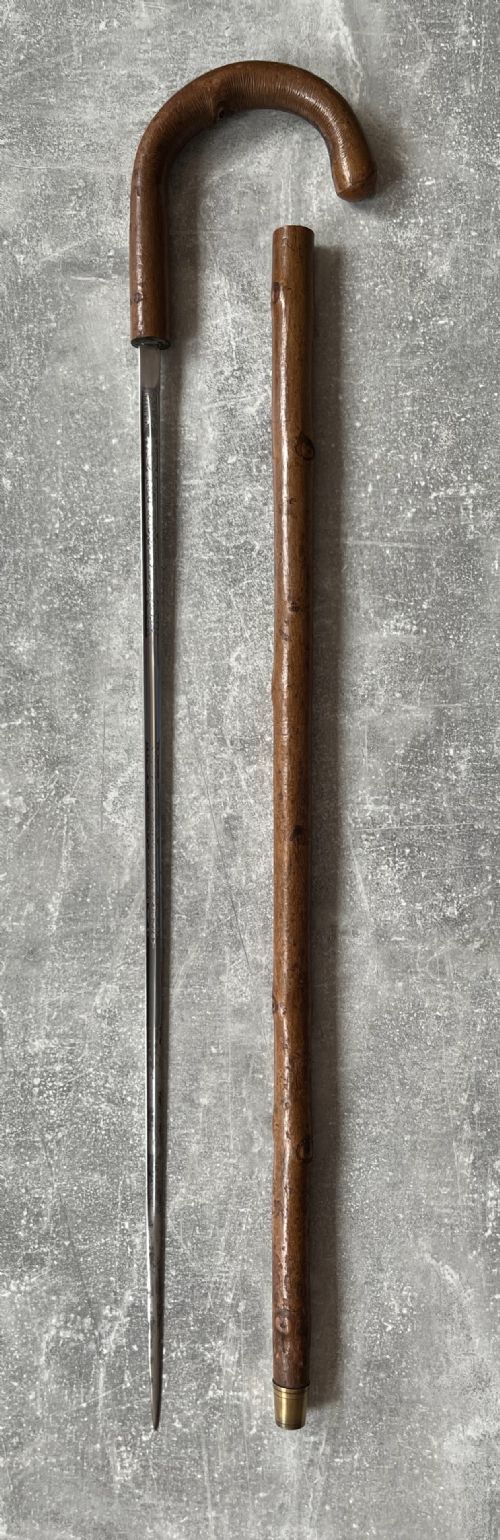
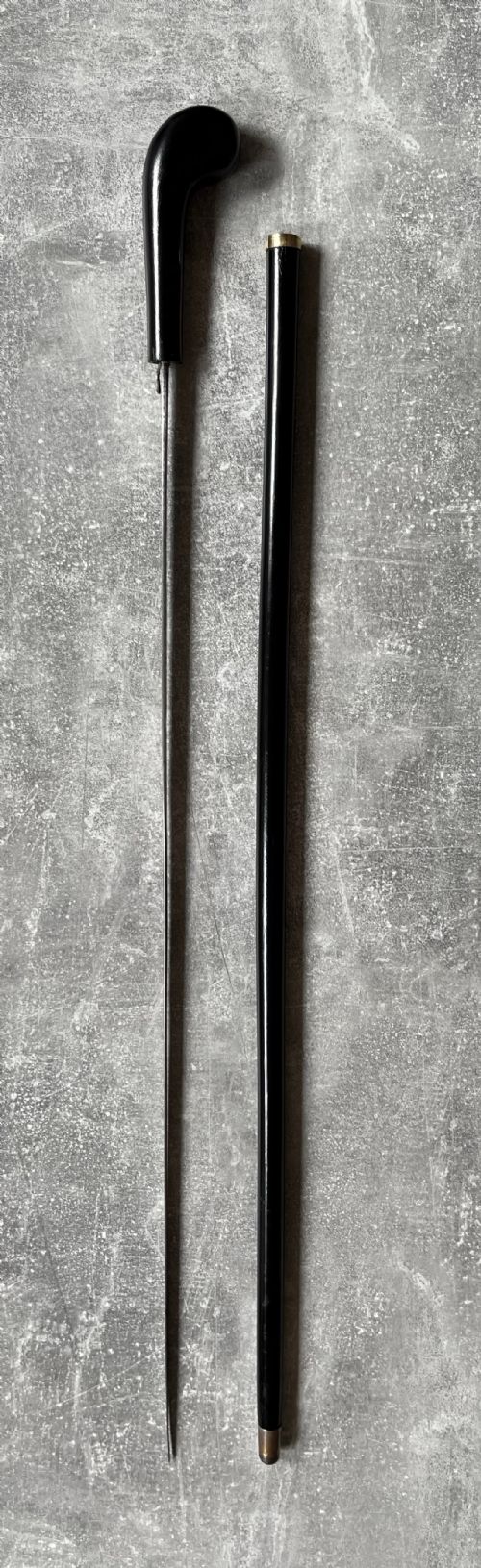
A concealed blade weapon most commonly takes the form of a sword stick or walking cane disguised as an ordinary gentleman's accessory. You are most likely to encounter Victorian and Edwardian examples fashioned from malacca cane, ebonised wood, or various hardwoods.
The objects span the nineteenth and early twentieth centuries, featuring distinct regional variations such as French pieces with porcelain or snakeskin details and British examples with silver mounts or maker stamps. These pieces served as practical walking aids that doubled as personal protection.
The form integrates a hidden blade secured within a shaft, released via a button or simple pull mechanism. Handles range from simple crook shapes in horn and wood to ornate silver or gold-coloured collars.
Materials and construction
Makers constructed the exterior shafts from natural materials including malacca cane, hazel, blackthorn, rosewood, and cherrywood, often finishing them with silver or brass collars. The internal blades utilised forged steel, frequently sourced from renowned centres like Toledo or produced by makers such as Wilkinson.
Handles incorporated horn, antler, porcelain, and carved root wood, attached securely to conceal the internal join. Leather coverings and ebonised treatments provided alternative surface finishes for the wooden shafts.
Concealed Blade Weapon Retail Price Guide 2026
Typical asking prices for concealed blade weapon among the pieces listed under this phrase on Sellingantiques today, from the lower quarter to the upper quarter. They describe what is for sale here now, not the wider market.
Some Victorian gentlemen required their walking support to double as a Masonic emblem or an Irish blackthorn hammer head grip.
Evaluating quality and execution
Quality rests upon the precision of the fit between the blade and the wooden scabbard, where superior examples exhibit a seamless join when closed. The refinement of the handle carving and the presence of precious metal mounts or marked blades elevate the standing of a piece.
The origin of the steel blade, such as an etched Toledo or Wilkinson production, distinguishes standard items from finer works. The choice of handle material, from plain wood to detailed silver mounts and porcelain, dictates the overall execution.
Wilkinson·Brigg
The Concealed Blade Weapon Glossary
- Sword stick
- A walking cane containing a concealed steel blade. This combination served both as a mobility aid and a hidden defensive tool.
- Toledo blade
- A steel blade produced in Toledo, Spain, renowned for historic sword-making traditions. These blades often bear etched decorations.
- Knop
- A rounded knob or handle at the top of a walking stick. It provides a secure grip for the hand.
- Collar
- A metal band encircling the top of the stick shaft below the handle. It frequently carries hallmarks or maker initials.
Concealed Blade Weapon: Frequently Asked Questions
What is a concealed blade weapon?
A concealed blade weapon is a walking stick or cane housing a hidden steel blade within its wooden or rattan shaft.
These pieces were carried by gentlemen in the nineteenth and early twentieth centuries for both support and personal security.
How do you release the blade?
Many examples utilise a simple pull mechanism, while others incorporate a mechanical button release near the handle collar.
Once activated, the internal blade slides smoothly out from the hollow protective shaft.
What materials were used?
Shafts were formed from natural woods and canes such as malacca, ebonised wood, hazel, and rosewood.
Handles and mounts featured horn, silver, brass, antler, and occasionally porcelain or leather coverings.
How do you date a sword stick?
Dating relies on stylistic markers, hallmarks on silver mounts, and period-specific manufacturing techniques.
Most surviving examples date from the Victorian and Edwardian eras spanning the late nineteenth and early twentieth centuries.