





Compact Tallboy Dresser
A compact tallboy dresser offers vertical storage without the bulk, combining traditional craftsmanship with small proportions suited to modern rooms.
Compact Tallboy Dresser
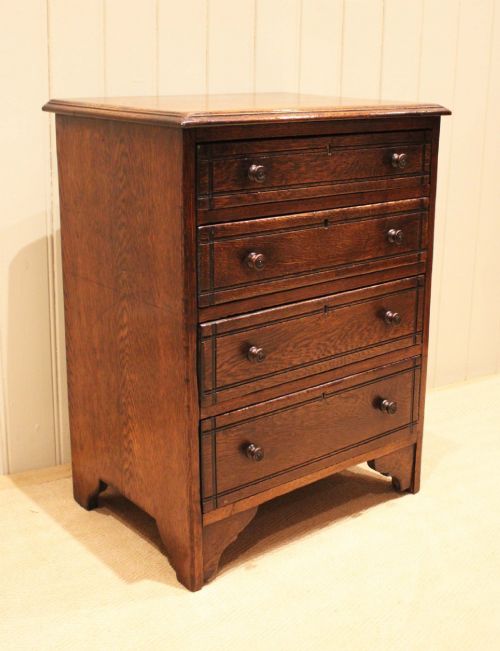
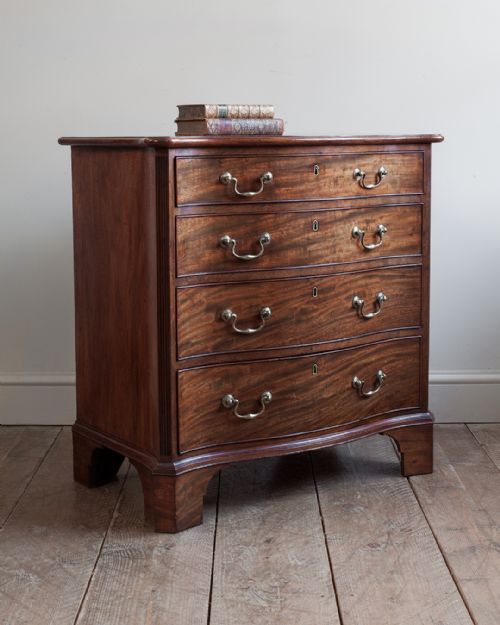
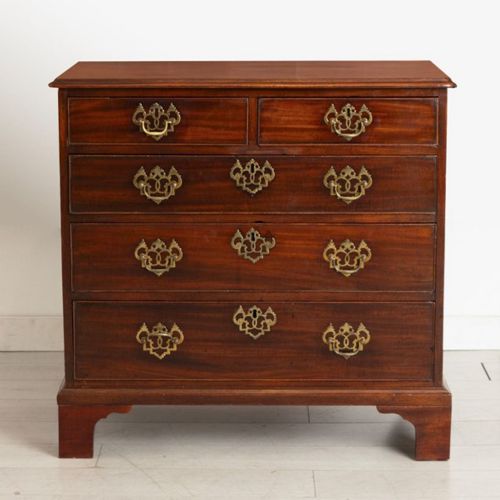
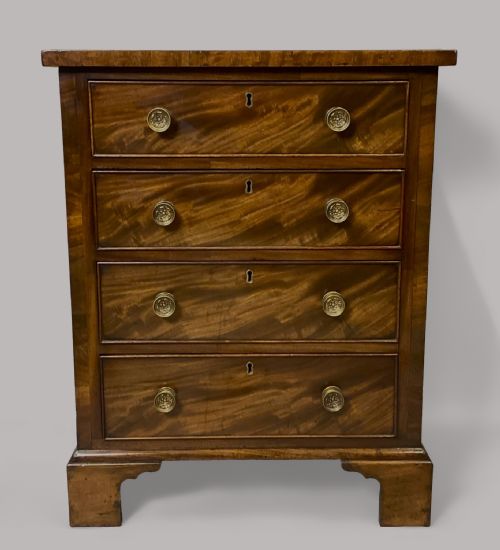
When you search for a compact tallboy dresser, you encounter pieces designed to maximise storage in smaller footprints through vertical arrangements of drawers. The selection spans Georgian, Victorian, and Edwardian periods, alongside revival styles from the 1920s.
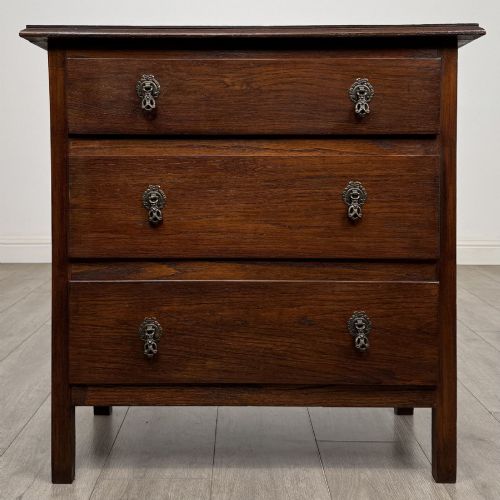
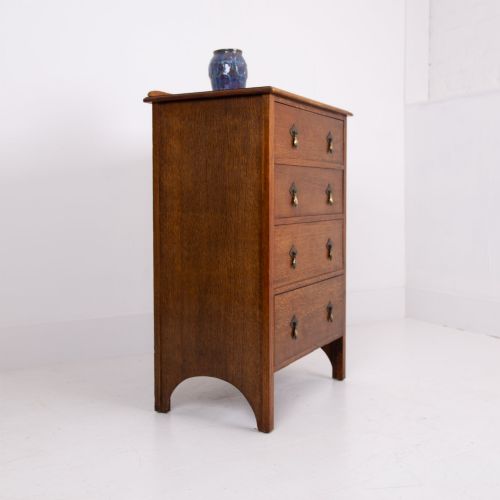
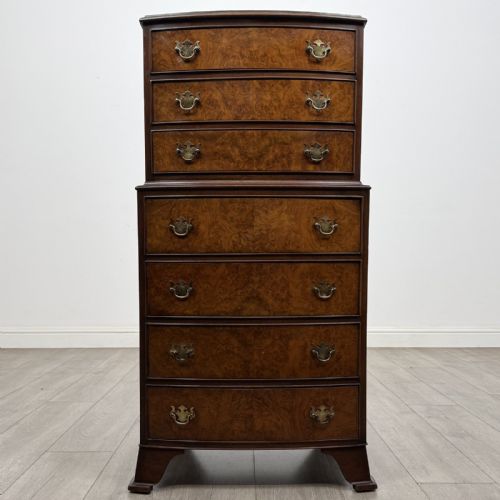
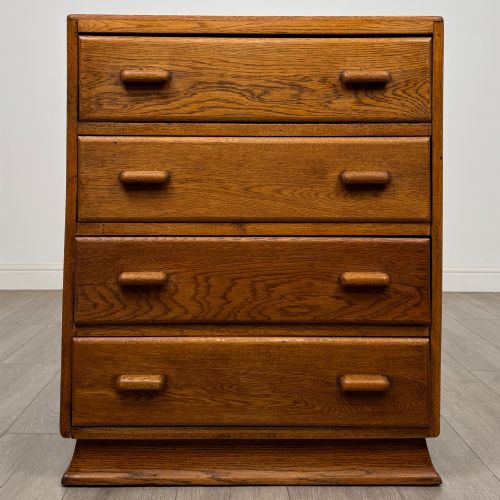
The most common forms on this page include narrow chests of drawers, chest on chest designs, and gentleman's chests built in mahogany, oak, burr walnut, and yew wood. These tall, slender units provide substantial drawer space while retaining modest floor dimensions.
Origins range from the 18th century through to the early 20th century, representing both original period furniture and subsequent Georgian revival interpretations. Each piece addresses the perennial challenge of bedroom or hallway storage by building upwards rather than outwards.
What varies in quality
Quality differences emerge in the selection of timber veneers and the handling of secondary woods within the carcass. Pieces featuring highly figured mahogany, burr walnut, or matched yew demonstrate superior material choice by the maker.
The precision of the drawer construction, the retention of original handles or bracket feet, and the crispness of serpentine or bow front shaping distinguish finer examples from simpler utilitarian storage furniture.
Compact Tallboy Dresser Retail Price Guide 2026
Typical asking prices for compact tallboy dresser among the pieces listed under this phrase on Sellingantiques today, from the lower quarter to the upper quarter. They describe what is for sale here now, not the wider market.
Some gentleman's chests include specialised compartments originally designated for sock storage and Scottish sporrans.
Gillows of Lancaster·Reprodux
The Compact Tallboy Dresser Glossary
- Tallboy
- A tall chest of drawers, often constructed as one chest stacked upon another to provide high-capacity vertical storage. This form became popular in the 18th century and continued through later revival periods.
- Serpentine front
- A furniture front that curves outward in the centre and inward at the sides, creating a gentle undulating shape. This technique requires advanced woodworking skill to execute cleanly.
- Bracket foot
- A simple foot formed by two pieces of wood mitred together at the corner, commonly found on Georgian and revival case furniture. It lifts the carcass slightly off the floor while maintaining a stable base.
- Fiddle back mahogany
- A figured mahogany timber showing transverse ripples across the grain that resemble the back of a violin. Cabinetmakers reserved this wood for prominent surfaces to catch the light.
- Block front
- A cabinet front divided vertically into three sections, with the two outer sections raised and the central section recessed. This architectural treatment adds strong shadow lines to case pieces.
Compact Tallboy Dresser: Frequently Asked Questions
What is a compact tallboy dresser?
A tall, narrow chest of drawers designed to provide maximum storage space while occupying minimal floor area in a room.
These pieces typically feature stacked drawers and come in various historical styles, ranging from 18th-century originals to early 20th-century revival pieces.
Where should I place a tallboy?
Their slender proportions make them well-suited for bedrooms, hallways, or dressing rooms where floor space is limited but vertical storage is required.
Because they rise higher than standard chests, they fit comfortably into bedroom corners or narrow wall spaces between doorways.
How do I identify the period?
Dating relies on examining the timber types, handle styles, foot construction, and overall cabinet proportions recorded across Georgian, Victorian, and Edwardian examples.
Original hardware, secondary woods inside the drawers, and specific decorative flourishes like bracket feet or serpentine fronts offer clear clues to the era of manufacture.
Are these pieces made of solid wood?
Construction methods vary between solid timbers like oak and mahogany, and carcases built with decorative veneers such as burr walnut or fiddle back mahogany applied over secondary woods.
Both solid construction and veneered surfaces are entirely traditional for case furniture of these periods.