




Compact Storage Unit
These compact storage units bring practical smaller footprints and period character together, offering useful organisation without overwhelming a room.
Compact Storage Unit
A compact storage unit provides essential shelving, drawer space or cupboard capacity scaled for smaller rooms or specific alcoves. Pieces matching this search span several decades and eras, from Victorian country examples to Edwardian oak designs and 1930s creations.
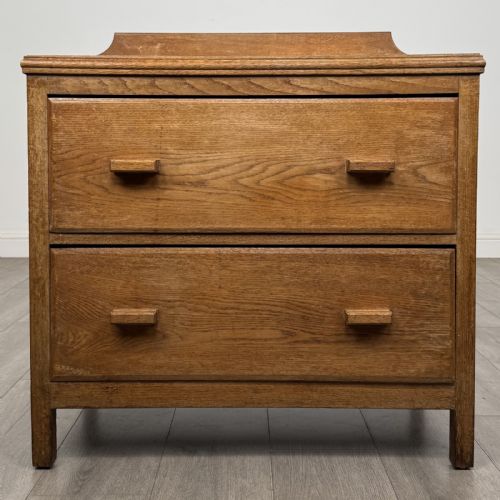
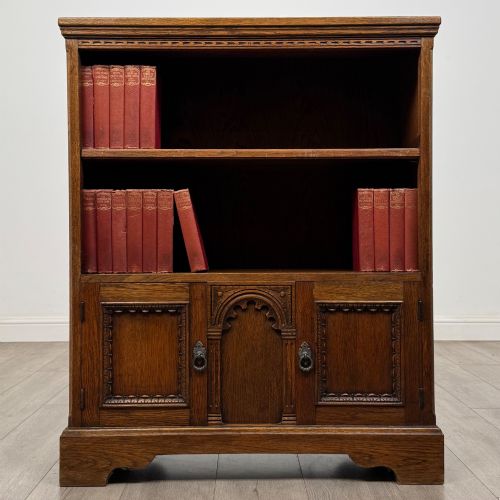
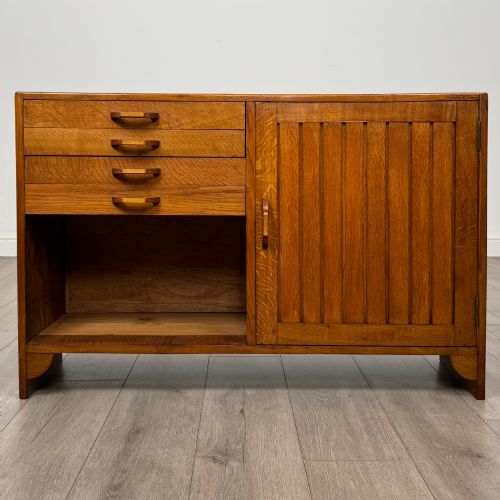
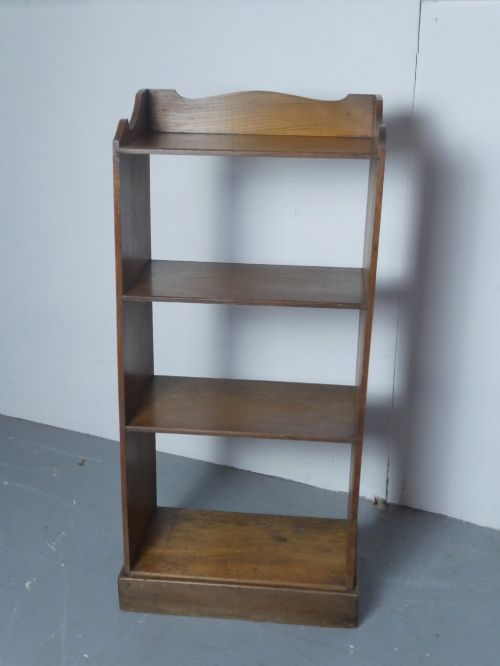
The variations seen here include narrow chests of drawers, smaller dressers, sideboards with tambour doors, and open bookcases with lower drawers or carved doors. Buyers frequently encounter golden oak and mahogany versions alongside pine and mixed wood constructions.
Forms remain domestic and utilitarian, favouring upright proportions over sprawling horizontal surfaces. These items suit spaces requiring tidy storage without sacrificing period timber and traditional craft.
How they were made
Cabinet makers relied primarily on solid oak, mahogany, and pine, shaping timbers to withstand daily household use. Grain patterns and natural warmth are preserved through traditional finishing methods.
Metal and brass components appear in hardware such as drawer pulls, hinges, and occasional raised galleries. Tambour doors and carved panels demonstrate specific joinery techniques suited to smaller cabinet dimensions.
Compact Storage Unit Retail Price Guide 2026
Typical asking prices for compact storage unit among the pieces listed under this phrase on Sellingantiques today, from the lower quarter to the upper quarter. They describe what is for sale here now, not the wider market.
A tambour door hides clutter with a satisfying wooden zip.
What varies in quality
Quality rests in the precision of the joinery and the selection of timber figures, where tighter grains and balanced proportions elevate a piece above standard utility items. Subtle details like carved door panels or raised galleries distinguish finer workshops from basic commercial output.
Original hardware, smooth-running drawers, and well-fitted doors indicate careful preservation and superior initial construction. Pieces that retain their structural integrity alongside uncompromised surface patination demonstrate the highest standard of surviving examples.
The Compact Storage Unit Glossary
- Tambour door
- A flexible door made of narrow vertical strips of wood glued to a canvas backing, allowing it to slide smoothly around a curved track. This clever mechanism saves space in smaller furniture.
- Raised gallery
- A low decorative railing or superstructure fitted to the top surface of a chest or sideboard. It prevents items from sliding off the back.
- Open bookcase
- A piece of shelving furniture without doors, designed for immediate access to books. These units often incorporate lower drawers for supplementary storage.
Compact Storage Unit: Frequently Asked Questions
Where do these storage units work best?
These pieces excel in smaller rooms, hallways, and studies where floor space is limited. Their modest footprints provide significant organisation without dominating the surrounding interior layout.
They pair well with both traditional and mixed vintage interiors, serving as functional focal points or discreet utility surfaces.
How do I identify an Edwardian piece?
Edwardian items often display lighter oak timbers, refined carving, and functional additions like lower drawers or raised galleries. The construction reflects mass production meeting traditional craft during the early twentieth century.
Look for honest joinery methods and hardware styles characteristic of the period between the Victorian era and the First World War.
What maintenance do old wood units need?
Keep wooden surfaces nourished with appropriate beeswax or natural polishes to prevent the timber from drying out. Avoid placing units near direct heat sources or strong sunlight.
Regular dusting with a soft cloth protects the finish and preserves the natural lustre of oak, mahogany, or pine over time.
Are tambour doors difficult to operate?
Tambour doors run within integrated wooden tracks designed to glide smoothly when the individual slats are clean and properly aligned. Gentle handling ensures the canvas backing remains secure.
Periodic inspection of the internal track keeps the sliding mechanism functioning without binding or sticking.