
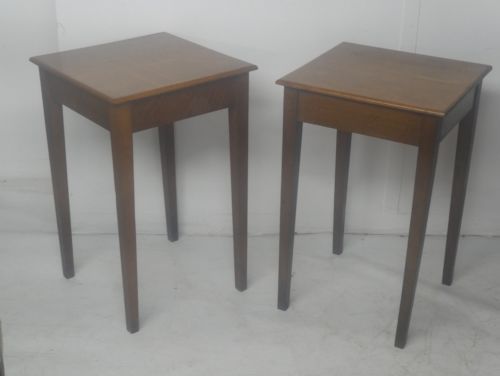
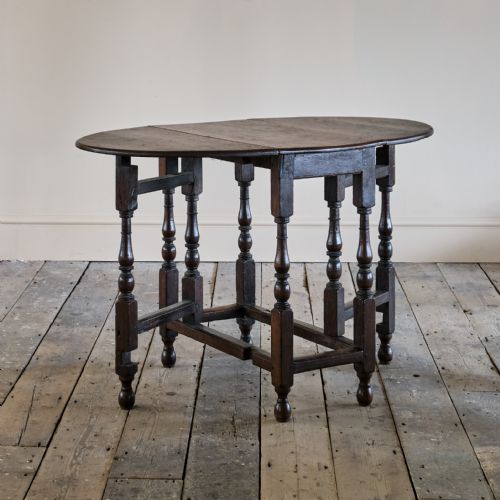

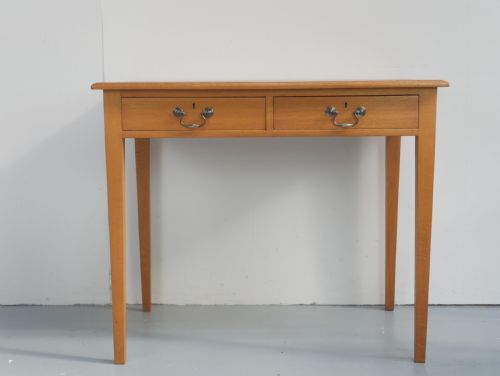
Compact Oak Side Table
A compact oak side table serves as a sturdy, space-saving surface found across periods from the seventeenth century to the 1930s.
Compact Oak Side Table
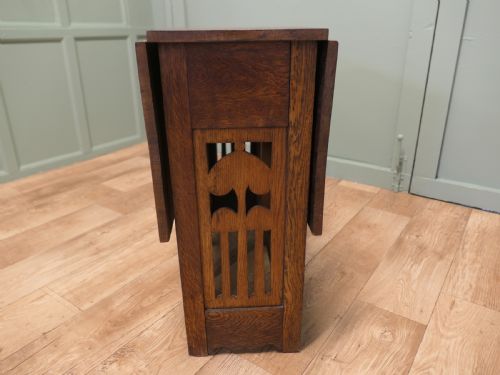
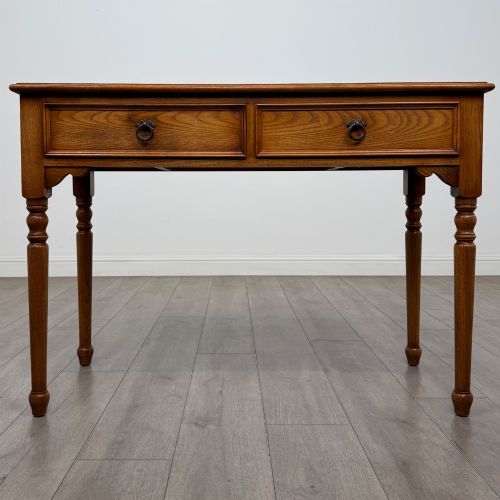
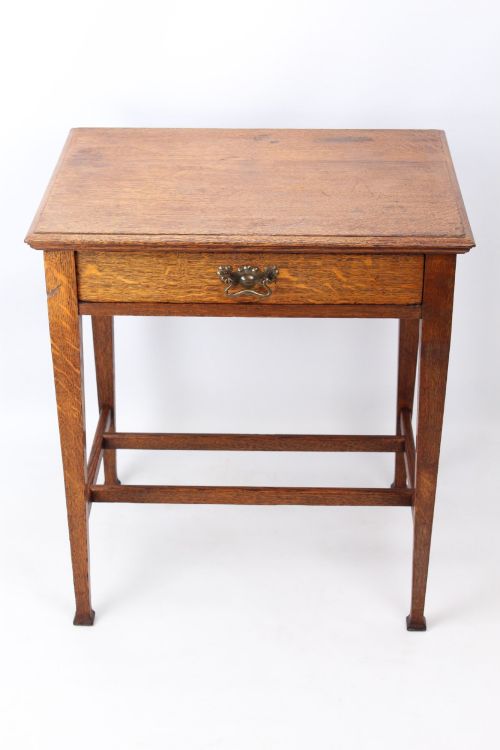
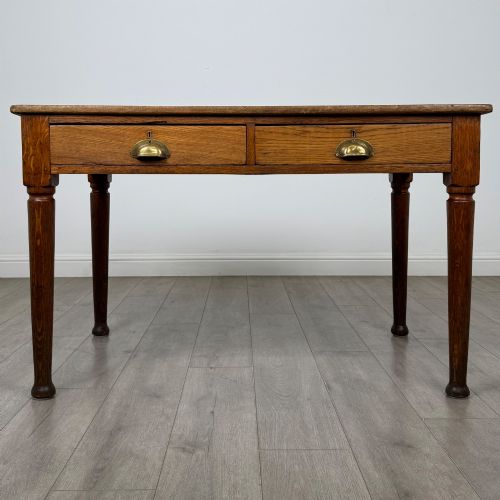
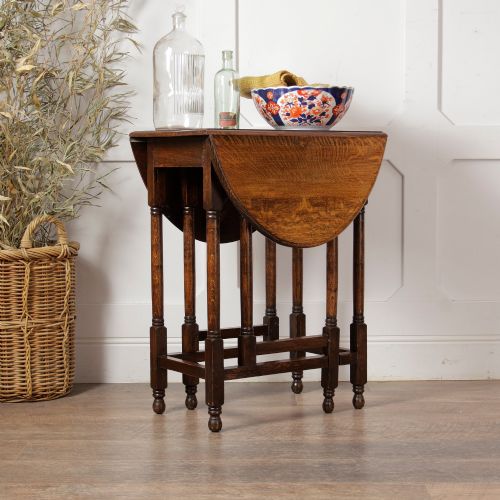
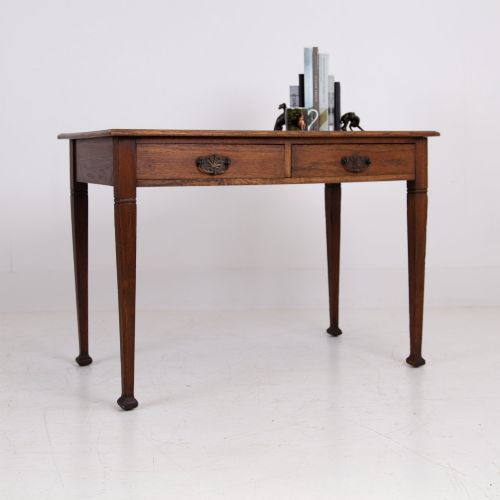
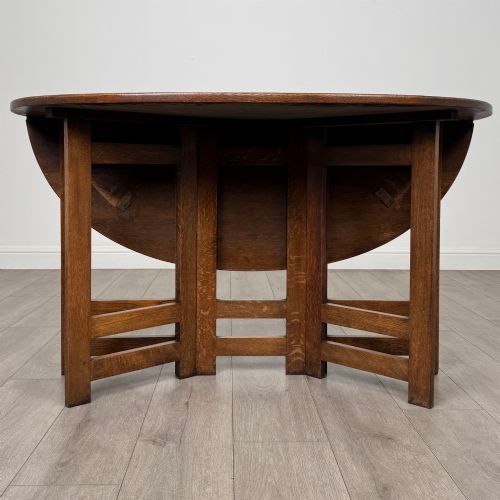
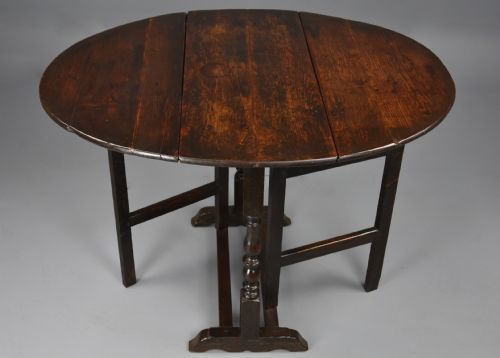
A compact oak side table offers functional surface area in limited spaces, frequently taking the form of gateleg, drop-leaf, or small occasional designs. These pieces appear across multiple eras, including Victorian, Edwardian, and earlier seventeenth-century periods.
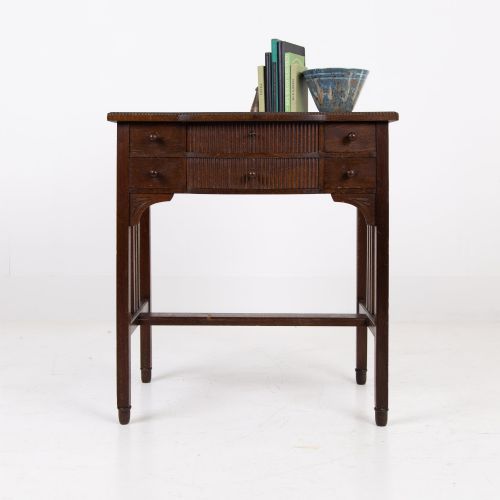
Makers utilised resilient hardwoods to construct these tables for everyday domestic tasks, ranging from writing and dining to holding books. Their modest proportions make them suitable for modern hallways, sitting rooms, and compact dining areas.
Assessing Quality and Character
Quality rests in the integrity of the timber selection and the precision of the joinery, particularly where folding drop leaves and gateleg pivots bear regular weight. Superior examples maintain original patination and operational smoothness across drawers and leaves.
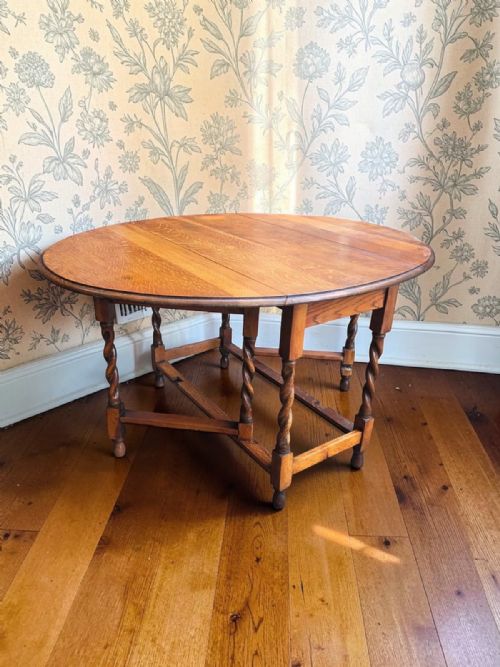
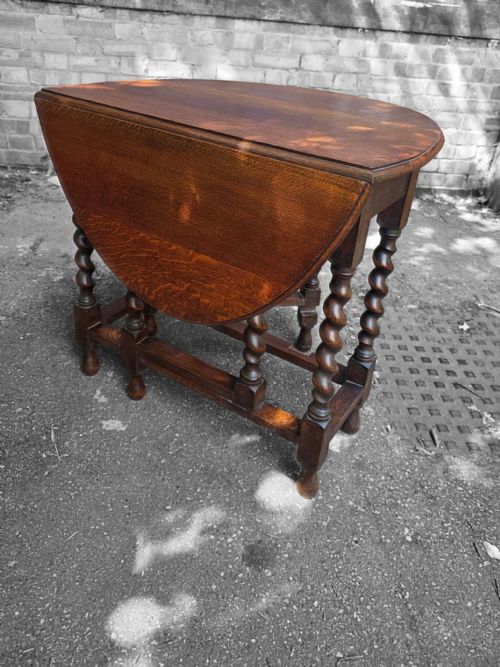
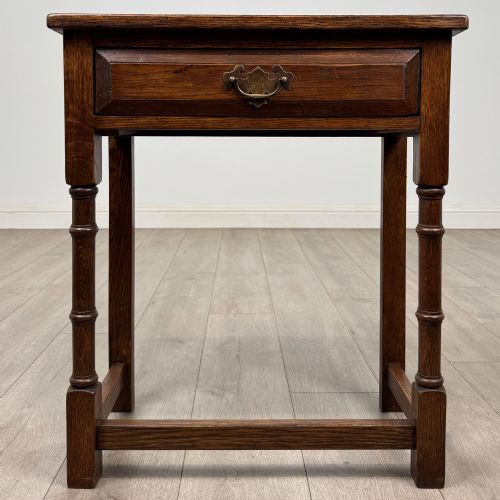
Design ambition separates standard utility pieces from finer Arts and Crafts or Jacobean Revival commissions, where turned legs, such as barley twists, and hardware components display deliberate artistic execution.
Scottish oak tables from department stores share floor space here with seventeenth-century gatelegs that have quietly witnessed centuries of supper parties.
Jenners
The Compact Oak Side Table Glossary
- Gateleg table
- A table with hinged leaves supported by swinging legs that pull out to hold the flaps. This design allows the surface area to expand or contract according to space requirements.
- Drop-leaf table
- A table featuring fixed centre sections and hinged flaps on either side. These flaps lower when not in use to save floor space.
- Barley twist
- A type of turned furniture leg resembling a spiral or twisted rope. Cabinet makers utilised this decorative woodworking technique during the seventeenth century and its later revivals.
- Arts and Crafts
- A design movement prioritising traditional craftsmanship and simple forms over mass production. Pieces from this style often display visible joinery and honest use of oak.
- Occasional table
- A small, portable table designed for specific, intermittent uses within a room. These include lamp tables, coffee tables, and small side surfaces.
Compact Oak Side Table: Frequently Asked Questions
What rooms suit a compact oak side table?
These tables fit easily into hallways, sitting rooms, and smaller bedrooms where floor space is limited. Their modest footprints provide functional surfaces without dominating a room.
Gateleg and drop-leaf versions offer flexibility, expanding when extra surface area is required for writing or dining and folding away afterward.
What is the difference between Edwardian and seventeenth-century oak?
Seventeenth-century oak pieces display hand-riven timber, pegged joints, and deep, centuries-old patination acquired through long use. They often feature heavier structural proportions and simpler, robust lines.
Edwardian interpretations frequently draw on earlier styles, such as Jacobean Revival or Arts and Crafts, using machine-sawn timber alongside traditional joinery methods.
How should I care for an antique oak surface?
Maintain antique oak by keeping it away from direct heat sources and strong sunlight, which can dry out the timber and fade the finish. Dust regularly with a dry cloth and apply occasional appropriate wax to nourish the wood.
Avoid using modern liquid polishes or placing damp items directly onto the unshielded surface.
Can I use a writing table for daily work?
Many compact writing tables feature drawers and comfortable heights suitable for modern laptops and paperwork. Their sturdy oak construction handles daily domestic use reliably.
Check the internal drawer dimensions and kneehole height to ensure the table accommodates your seating and equipment comfortably.