







Compact Oak Desk Drawers
Compact oak desk drawers offer practical writing spaces and storage, suiting smaller rooms while providing sturdy construction and classic character.
Compact Oak Desk Drawers
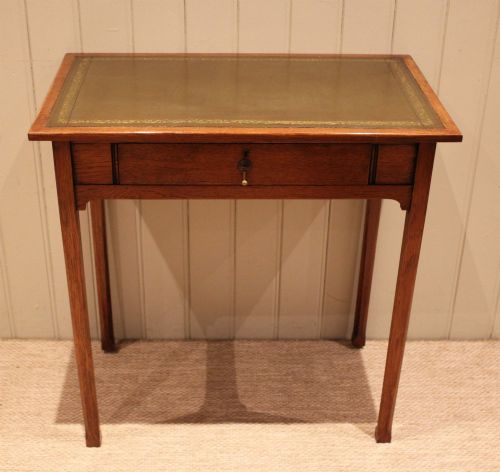
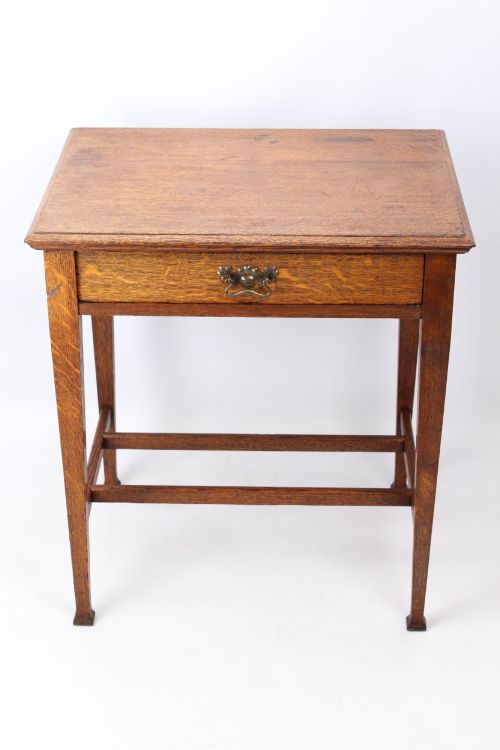
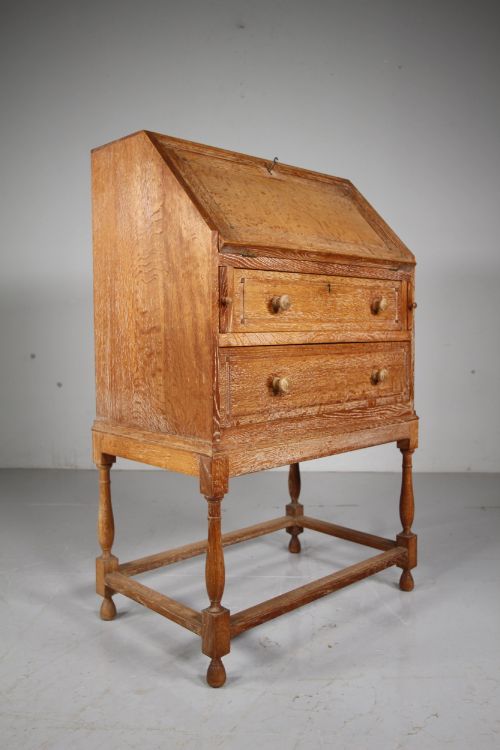
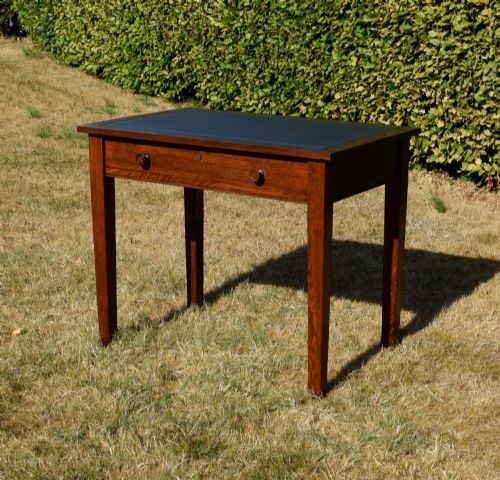
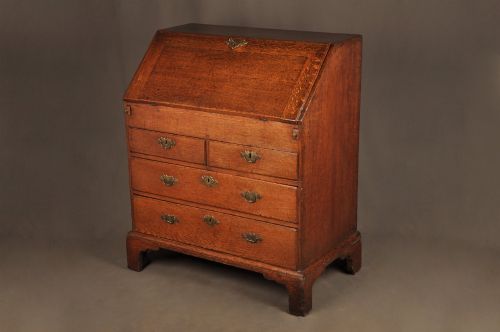
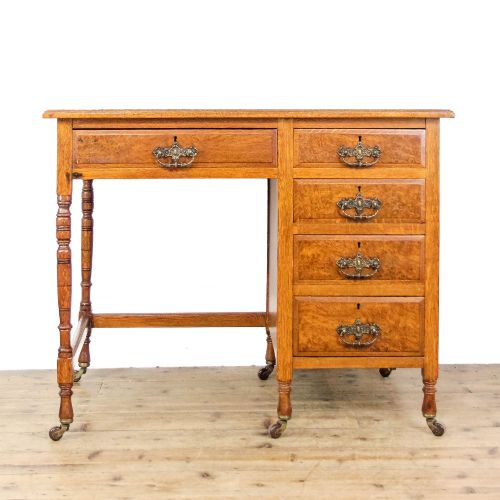
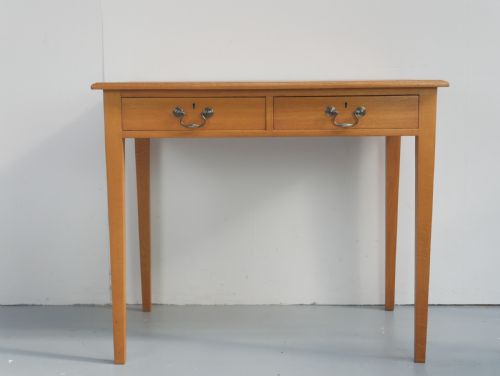
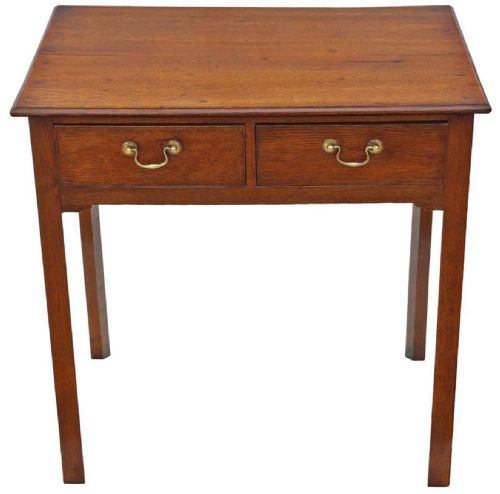
Compact oak desk drawers encompass writing tables, bureaus, and davenports designed for efficient workspace utilisation in tighter interiors. These pieces appear across various historical periods, including the eighteenth century, Victorian era, and early twentieth century.
Formations range from simple two-drawer writing tables to glazed bookcase bureaus and fitted writing chests. Each variation provides a dedicated surface for correspondence alongside fitted internal compartments or exterior drawers.
Assessing quality in writing furniture
Quality differentiates through the selection of timber figures, particularly where pollard oak or burr maple highlights internal compartments. Superior examples maintain original hardware, such as brass handles and functional locks, without modern replacements.
The integrity of moving parts, including drop-front writing slopes and smooth-running desk drawers, dictates overall execution. Masterly cabinetmaking shows in tight joinery and balanced proportions across both simple writing tables and complex bureau bookcases.
Compact Oak Desk Drawers Retail Price Guide 2026
Typical asking prices for compact oak desk drawers among the pieces listed under this phrase on Sellingantiques today, from the lower quarter to the upper quarter. They describe what is for sale here now, not the wider market.
Some nineteenth-century davenport desks feature hidden side drawers that only open when the main top compartment is unlocked.
Heals of London·Jenners
The Compact Oak Desk Drawers Glossary
- Bureau
- A writing desk featuring a sloping hinged lid that opens to reveal internal pigeonholes and small drawers. This form frequently sits atop a chest of larger drawers.
- Davenport desk
- A compact Victorian writing desk featuring a sloping top and a bank of drawers accessed from the side. The interior often conceals maple-lined compartments and stationery holders.
- Arts and Crafts
- A design movement prioritising simple forms, visible construction, and honest materials. Pieces from this style emphasise the natural grain of oak over heavy ornamentation.
- Pollard oak
- Timber taken from trees that were pollarded, producing a highly figured, knotted grain pattern used for decorative veneer. This material appears on select nineteenth-century writing desks.
- Writing table
- A freestanding table designed primarily for correspondence, typically featuring one or more drawers beneath the writing surface. These pieces offer open legroom compared to enclosed bureaus.
Compact Oak Desk Drawers: Frequently Asked Questions
How do I use a bureau desk?
The hinged front folds downward to create a horizontal writing surface while revealing pigeonholes and small interior drawers for stationery. When correspondence concludes, the writing flap lifts and secures upward to conceal the contents.
External drawers below the writing slope provide permanent storage for household paperwork and writing implements. This dual function allows the furniture to serve as both a compact writing station and a drawer chest.
What is a davenport desk?
A davenport is a small desk featuring a sloping desktop attached to a pedestal base with drawers along the side. The compact footprint makes it suitable for placement in corners or smaller reception rooms.
Interior compartments often lift out or slide forward to reveal additional storage for inkwells and papers. Side drawers typically lock via mechanisms linked to the top desk compartment.
How do I date an oak desk?
Dating relies on stylistic clues, construction techniques, and hardware types visible across different eras. Eighteenth-century pieces display hand-cut dovetails and pegged framing, while Edwardian and 1920s examples incorporate machine precision and specific manufacturer labels.
Arts and Crafts variations emphasise unadorned oak surfaces and simple brass fittings characteristic of the early twentieth century. Mid-nineteenth-century items often utilise specialised veneers like pollard oak alongside turned wooden knobs or brass pulls.
Where should I place a compact desk?
Compact writing furniture fits well in home offices, bedrooms, or living rooms where floor space is limited. Their modest proportions allow them to function as secondary workspaces without dominating the room.
Placing the desk near natural light sources helps illuminate the writing surface and internal compartments. Bureaus with glazed upper bookcases require wall clearance suitable for cabinet depths.