


Compact Fall Front Desk
A compact fall front desk offers a practical writing space that folds away neatly, bringing period character to a modern room.
Compact Fall Front Desk
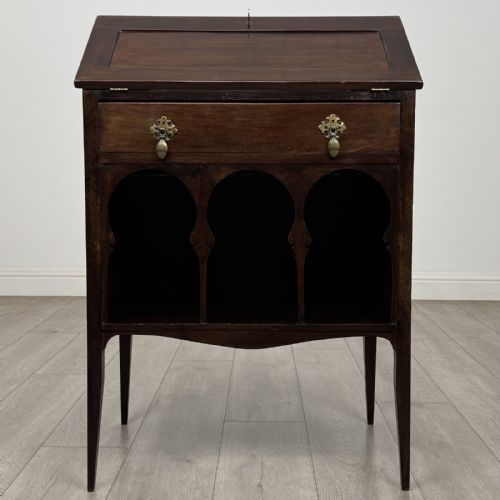
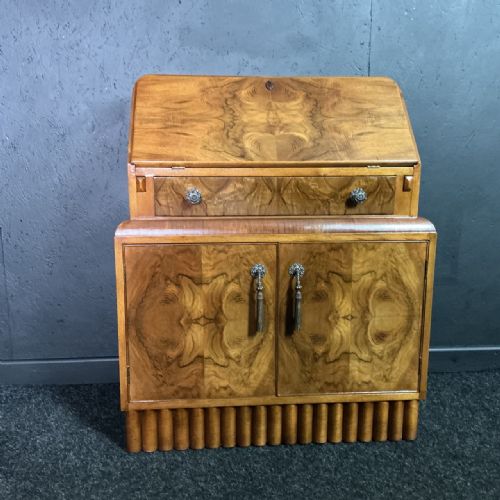
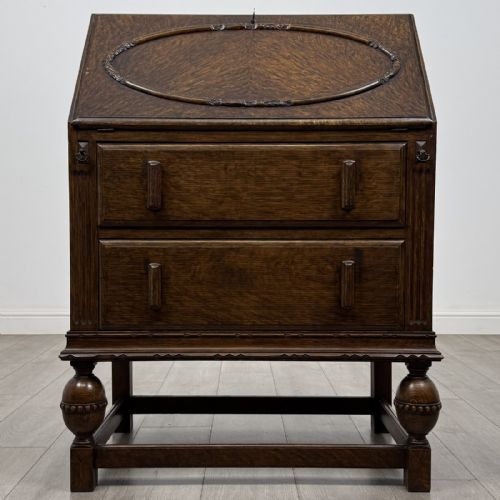
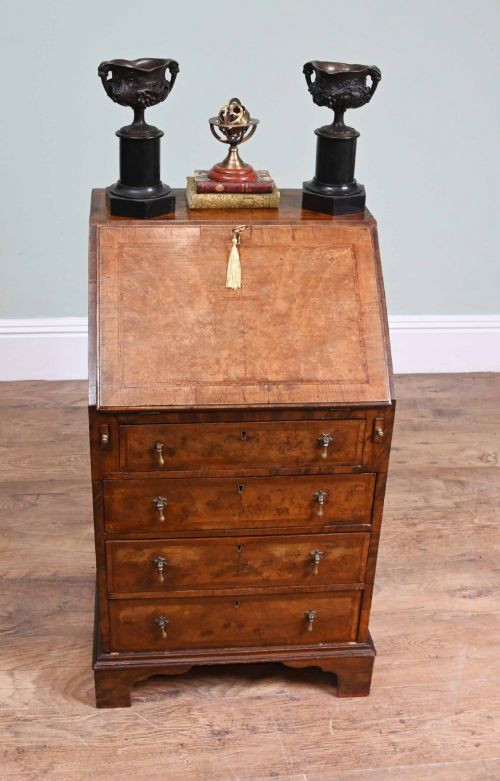
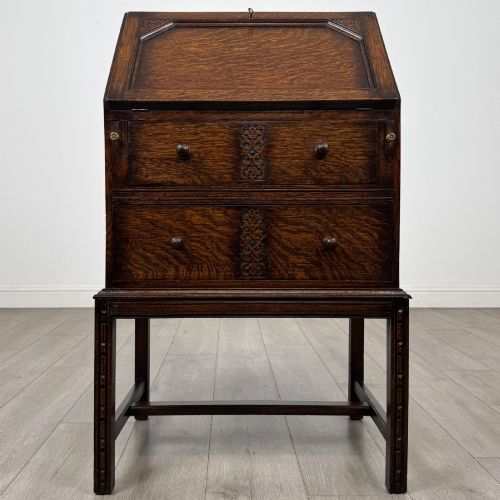
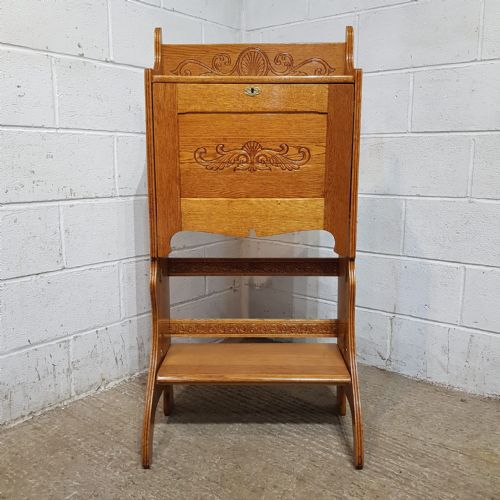
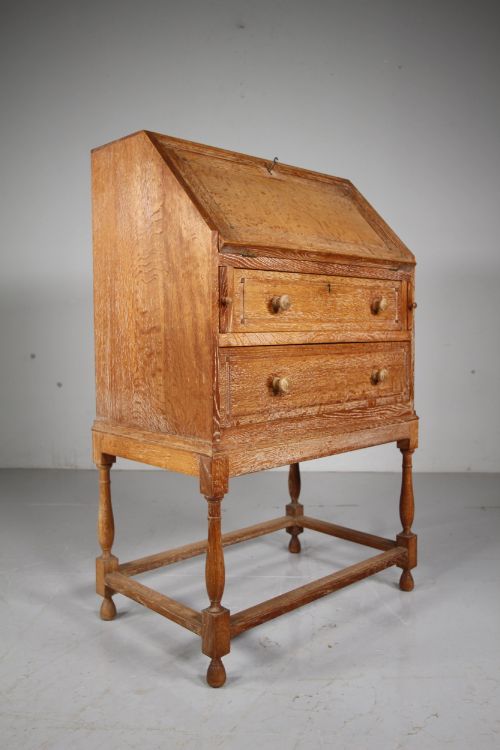
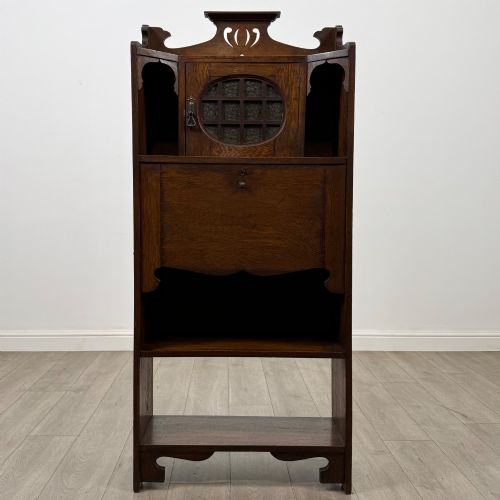
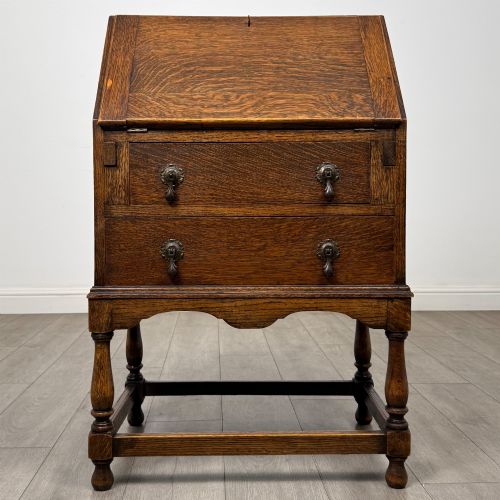
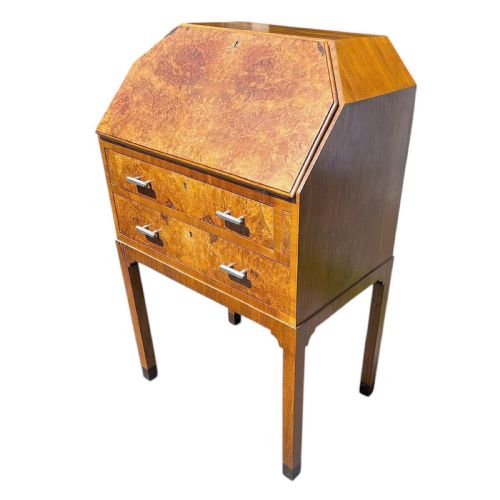
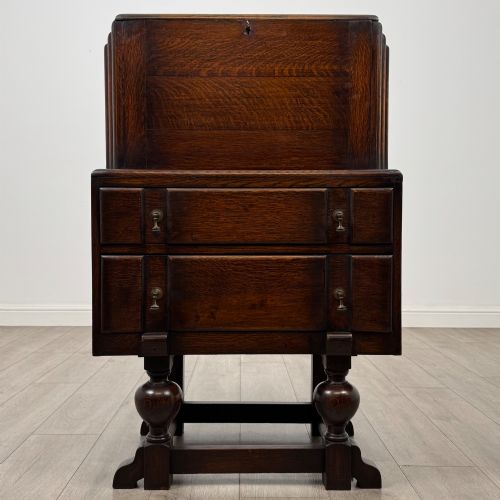
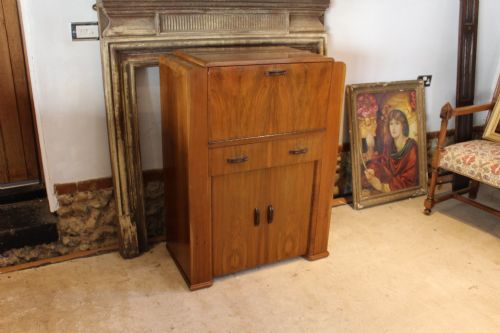
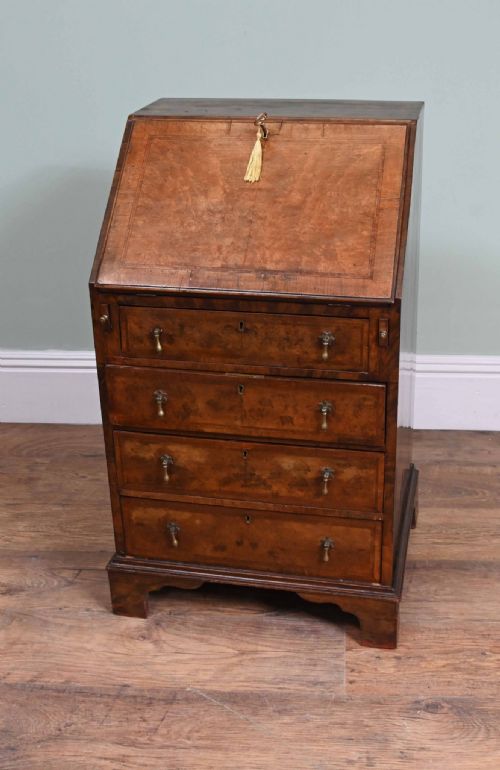
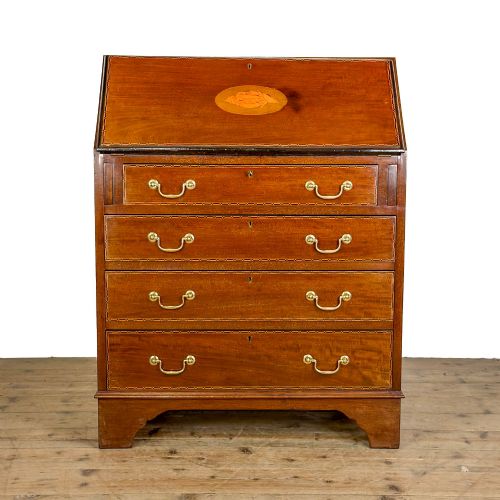
A compact fall front desk serves as a dedicated writing station with a hinged flap that pulls down to create a sloping or flat surface. These pieces range from early eighteenth century oak and walnut designs to later Edwardian and Art Deco iterations.
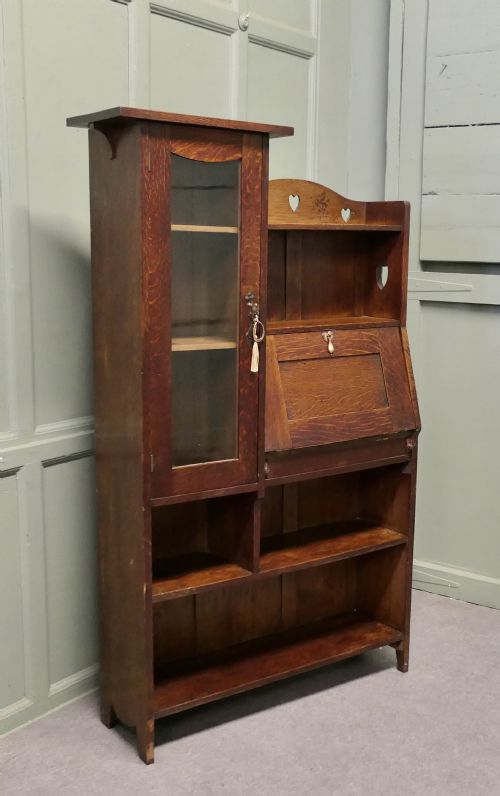
Most examples found here present in oak, mahogany, or walnut, often featuring fitted interiors with small drawers and pigeonholes. Buyers meet numerous Edwardian oak and Georgian mahogany pieces alongside Arts and Crafts and Art Deco variations.
The form prioritises floor space economy, making smaller proportions standard across the periods represented. Regional workshops and major makers alike produced these desks to balance domestic utility with refined cabinetmaking.
How they were made
Cabinetmakers utilised solid timbers such as oak, mahogany, and walnut, frequently applying fine veneers including burr walnut, amboyna, and satinwood to the fall front and drawer panels. Brass hardware, from drop handles to key escutcheons, secures the structural components and decorates the exterior.
Construction techniques combine traditional dovetailing on the interior drawers with sturdy frame and panel assembly for the main carcase. Glazed sections on bureau bookcases utilise timber framing to hold individual panes of glass securely above the writing compartment.
Compact Fall Front Desk Retail Price Guide 2026
Typical asking prices for compact fall front desk among the pieces listed under this phrase on Sellingantiques today, from the lower quarter to the upper quarter. They describe what is for sale here now, not the wider market.
A few clever desks hide secret compartments within their fitted interiors, waiting for a modern owner to discover the releasing spring.
What varies in quality
The distinction between standard examples and superior pieces rests on the choice of timber and the precision of the interior layout. Fine grain selection in walnut or mahogany veneers and intricate pigeonhole arrangements elevate a piece above utilitarian output.
Original hardware, working locks with keys, and untouched timber patination separate well-preserved desks from heavily restored or altered examples. The integrity of the fall front hinges and the smoothness of the drop action indicate the skill of the original workshop.
E Gomme·Heals·F.H. Marshall & Co·Harris Lebus·Liberty
The Compact Fall Front Desk Glossary
- Fall front
- The hinged panel that drops down to form a writing surface. It conceals the fitted interior compartments when closed.
- Bureau
- A desk featuring a sloping or folding front that covers pigeonholes and small drawers. The term applies broadly across eighteenth, nineteenth, and twentieth-century writing furniture.
- Fitted interior
- The arrangement of small drawers, open compartments, and sometimes a central locked door positioned behind the fall front. These internal spaces organise writing materials and documents.
- Secretaire abattant
- A tall writing cabinet with a vertical drop-front desk surface. This form provides substantial storage beneath or above the primary writing area.
- Bureau bookcase
- A writing desk combined with an upper shelving or cabinet section enclosed by doors. These taller pieces integrate workspace and library storage into a single footprint.
Compact Fall Front Desk: Frequently Asked Questions
How do I use a fall front desk safely?
Support the drop-down flap with integrated pull-out wooden lopers or side arms before placing any weight upon the surface. Avoid overloading the internal compartments so the mechanism closes smoothly without straining the hinges.
Keep the writing surface clear of moisture and heat sources to protect the aged timber and delicate veneer work from warping. Regular dusting with a dry cloth maintains the finish without requiring heavy polishes.
What periods do these desks cover?
The selection spans from early eighteenth century oak and walnut pieces through Georgian and Victorian eras up to Edwardian and Art Deco designs. Each era brings distinct proportions and timber choices to the traditional writing desk format.
Earlier examples often feature heavy oak construction, while Edwardian pieces lean towards figured mahogany and lighter oak. Art Deco variations introduce streamlined walnut and distinctive maker labels from the twentieth century.
Where should I place a compact desk?
Position the piece against a sturdy wall where the fall front can open fully without blocking room pathways. Adequate natural or task lighting nearby helps illuminate the enclosed writing area effectively.
Ensure the location avoids direct sunlight to prevent the timber veneers and polished finishes from fading unevenly over time. A stable indoor climate protects the old wood joints from seasonal humidity shifts.
How do I tell an Edwardian desk apart from a Georgian one?
Georgian desks generally display heavier mahogany or oak construction with deep drawer linings and hand-cut dovetails. Their proportions tend to be robust, reflecting eighteenth-century cabinetmaking priorities.
Edwardian interpretations often utilise lighter oak, sometimes with inlaid details or linenfold carving, presenting a more delicate aesthetic. Maker marks and label tags are also more common on twentieth-century pieces.